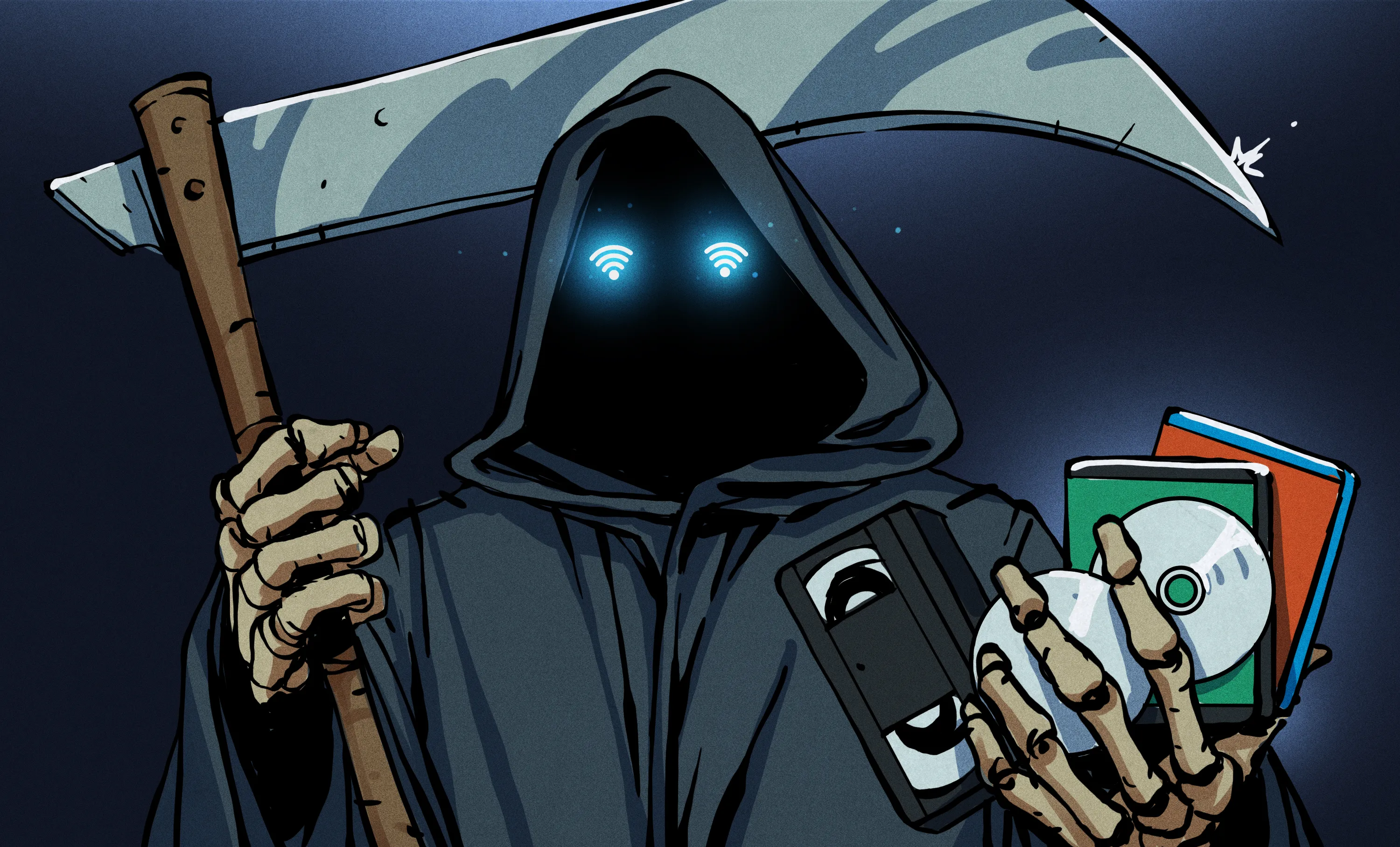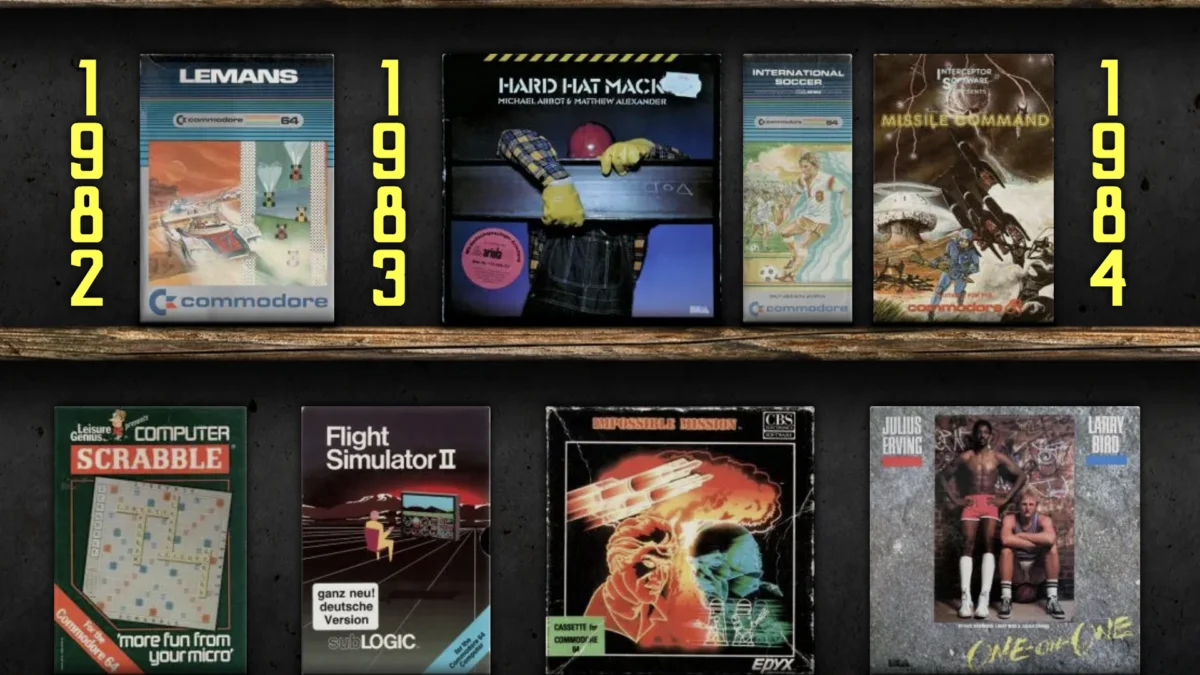
Sony’s decision to phase out physical media has prompted widespread concern among consumers, largely centered on the loss of control that comes with shifting from physical ownership to uncertain digital access. The news has also renewed discussions around exactly what it means—or doesn’t mean—to “own” software. These are all perfectly valid concerns, but Sony’s decision also represents another nail in the coffin of physical objects being part of the experience of playing a game. In fairness, that particular casket was already pretty well-sealed—your average 21st-century PlayStation purchase from GameStop involved a DVD case, a disc, and perhaps, if you were lucky, a “booklet” that was a single folded sheet of paper. But it wasn’t always thus. Back before digital distribution was a thing, games could only be purchased on physical media, and the way in which that media was packaged was an art in and of itself. If you’ll forgive a little nostalgia, there was something genuinely exciting about getting a new game home and tearing off the plastic wrapping to see what sort of manuals, maps, and other goodies the box might contain (in addition to a bunch of floppy discs, obviously.)
Sadly, my own examples of such items are currently in a sealed box just outside of Melbourne, left in the safe (?) hands of a man named Gary, whose career mullet is truly a thing of wonder. As such, it was a delight to stumble across a site called Big Box Collection yesterday, in the course of writing a piece on Tetris. The site is a digital catalogue of a truly impressive collection of boxes, manuals, and ancient media maintained by one Benjamin Wimmer, a confessed nerd who lives just outside of the Austrian capital, Vienna.