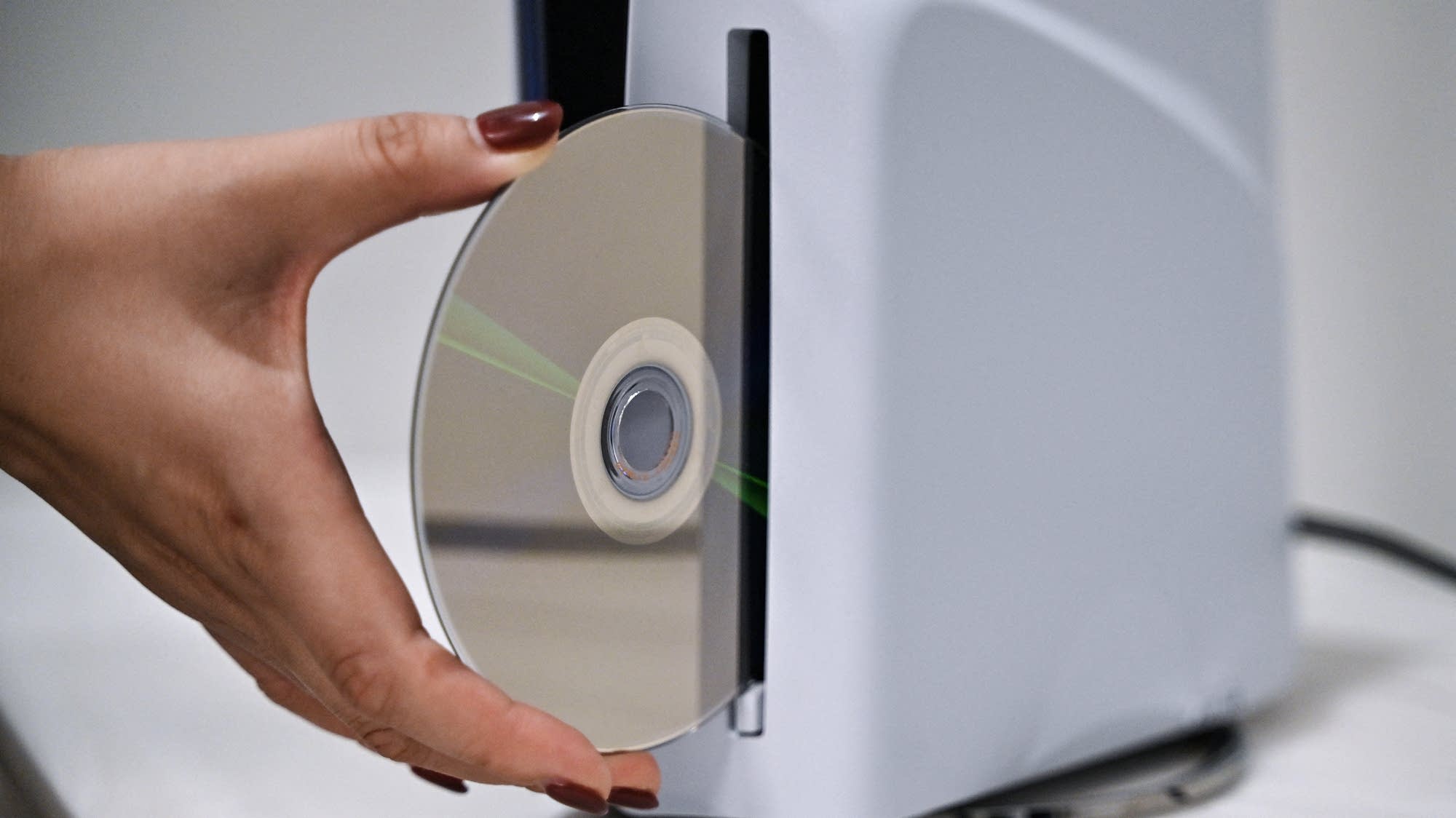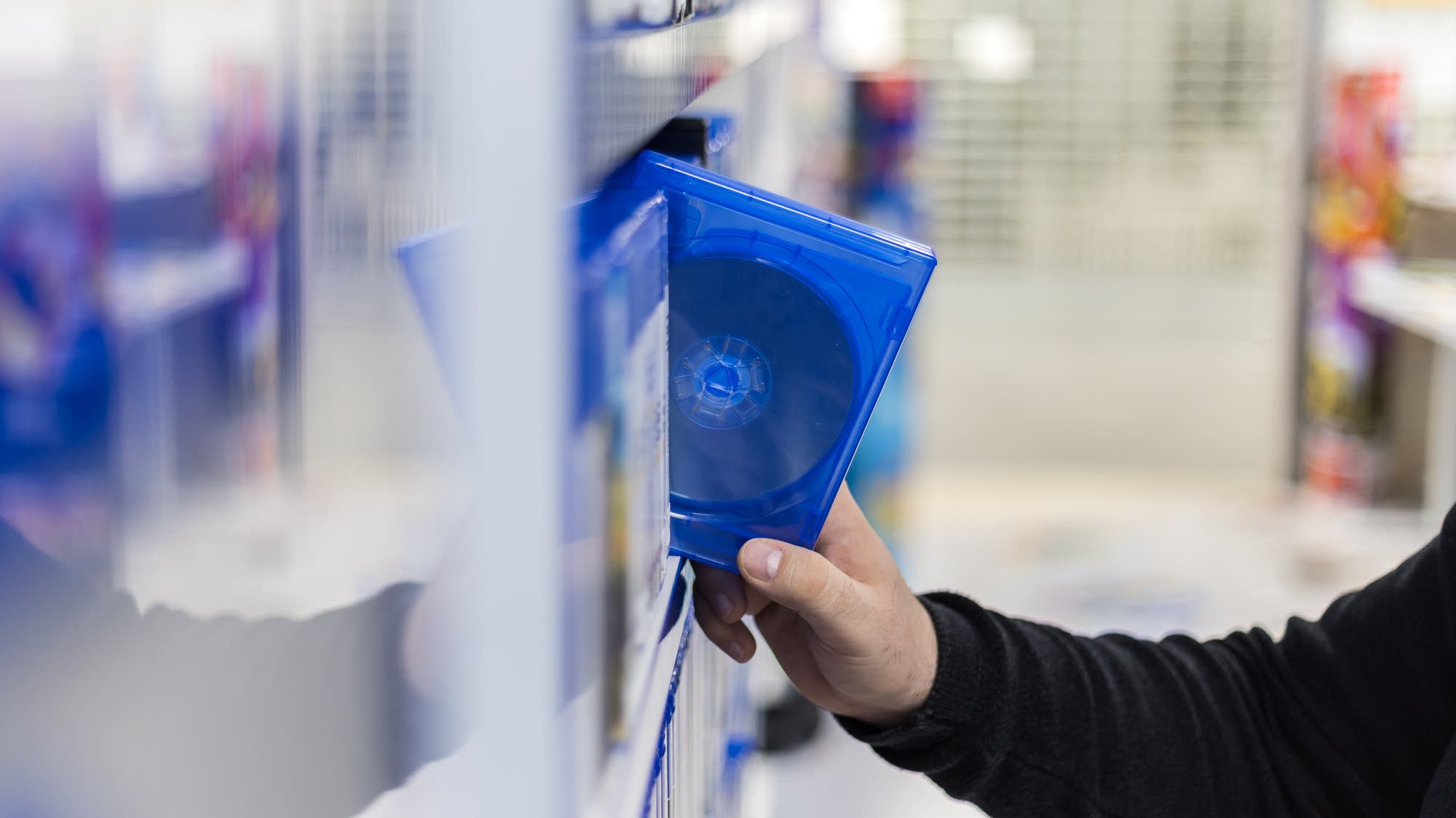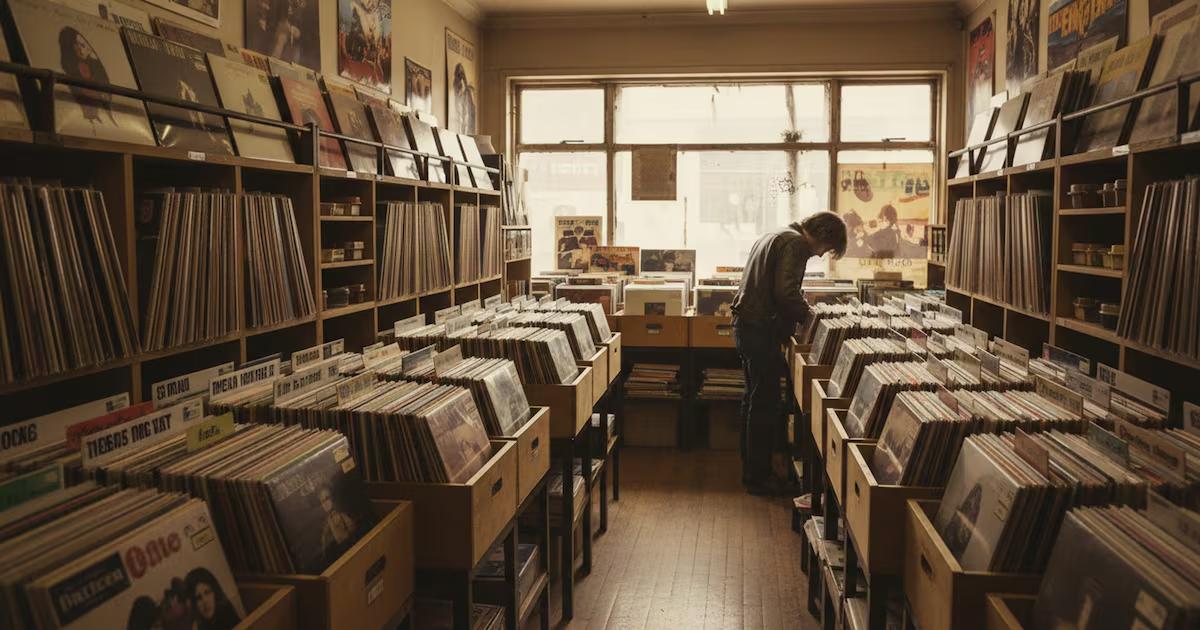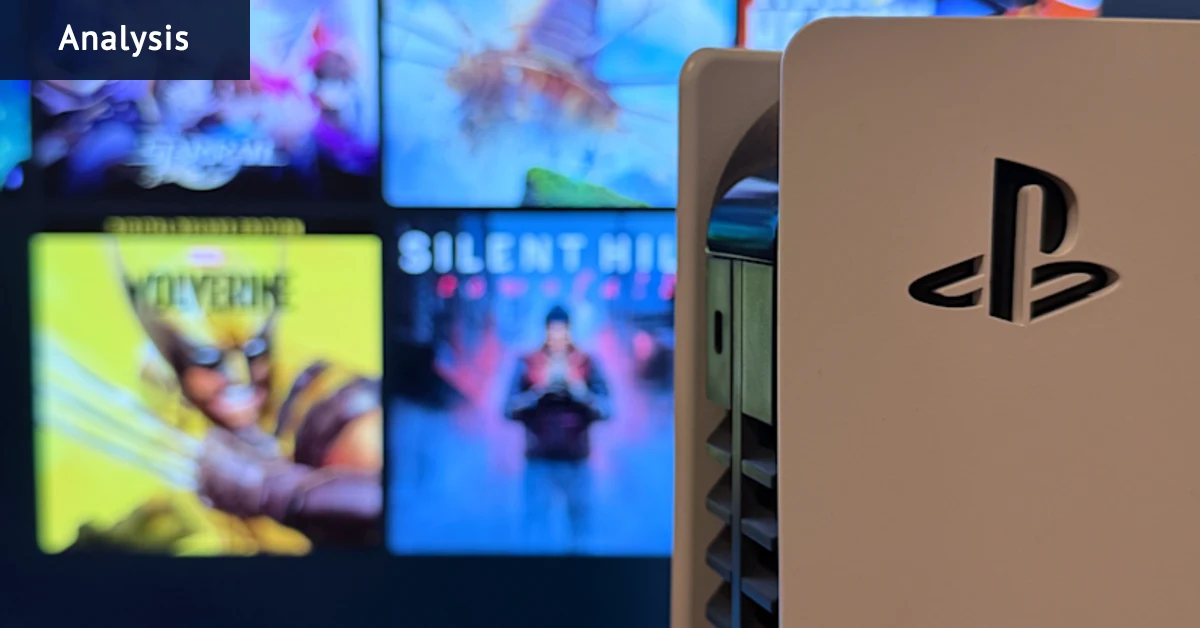
July 19, 2026 — 4:30pmFrom books and music to movies and video games, entertainment over the past 20 years has increasingly moved from physical media formats to digital files delivered over the internet.But while digital distribution is often more convenient, and certainly more popular in 2026, the removal of a physical option is bad news for consumers – and nothing is likely to be done about it.PlayStation will drop discs and go all digital from January 2028.Tim BiggsEarlier this month, Sony announced that it would cease production of PlayStation discs after next year. Video games on its platforms will be available only online after that. Yet as with movies and music, physical game discs are preferred by those who like to maintain a visible collection, who prefer not to be signing up for online accounts and subscriptions, who want to buy or sell used copies, or who worry that non-transferrable ephemeral licences will lock them out of their purchases in the future. Examples of this happening are already fairly frequent.Last week, an Xbox user in Europe took to social media to complain that he had lost access to his entire digital library of games – which he said had cost him thousands of dollars to buy – after Microsoft effectively deleted his account following a hacker taking control of it. He was advised to start again and told that restoration was impossible, although Microsoft did eventually restore his purchases after the story went viral.In September, Sony will remove 551 movies from users’ digital libraries, even if they paid full price to buy them, due to its content licensing agreements with distributor StudioCanal. We’ve also seen digital libraries wiped out due to platform mergers, and individual titles removed from purchasers after service or server shutdowns.It is extremely rare for any of these examples to include an offer of a refund or replacement. Because the purchaser never actually owned anything.Consumer law falls shortPart of the problem is that many of the benefits we enjoy with physical media – the ability to hold it, sell it, keep it forever – are there purely by accident, in a legal sense.When you buy a book you are only buying a limited licence to the work, but if the publisher loses the rights to sell it (or actually never had the rights), it’s incapable of finding the copy on your bookshelf and taking it from you. Amazon, though, can do exactly that with an ebook. From a licensing perspective, digital is perfect.Sony’s decision has caused an outcry and calls for boycotts from consumers, and even potential lawsuits in some countries. But even the mighty European Union has said it cannot regulate to force the company to continue offering discs. And there’s currently no law that requires digital goods sellers to match the qualities of physical goods by guaranteeing ongoing access, providing offline functionality or allowing sharing, on-selling, or moving them to a different platform.The best we can hope for is sellers stating transparently: yes, you are paying $130 for a licence that may be revoked or diminished.New PS5 games cost the same at physical and digital stores, but for the latter, Sony’s terms of service and licensing agreement forbid reselling, and warn that account suspension could lead to loss of access to products.“Businesses should avoid the use of words like ‘purchase’ or ‘buy’ when in fact they are only supplying a licence to access a service,” a spokesperson for the Australian Competition and Consumer Commission said, noting that such phrasing could be considered misleading under Australian law.“When goods or services are being offered under a licensing arrangement, businesses should be transparent and upfront prior to purchase,” including informing customers that access may later be removed or changed, the spokesperson added.But if you pay full price for a game, movie or album on an online platform, are they goods? Or are you only getting them as part of a service? It’s an important distinction as far as consumer protections go but has remained unclear for decades, says legal academic Benjamin Hayward.“We’ve got this situation where there’s no clear precedent from the courts, and we’re probably not going to get that until – as we see with what’s happening with Sony – the market starts to change and that leads to legal proceedings that actually need the courts to decide the issue,” said Hayward, a senior lecturer at Monash University.“With a book, you’ve got a physical object, and you might only have a licence to the intellectual property, but there are consumer rights that still attach to that physical object: if the pages are damaged, if the spine is damaged, if there are pages missing. The question will be, if we’ve got a purely digital equivalent, whether those same consumer rights can apply.”Either way, the reality of what happens to your media years after you bought it – because it remains tied to a tech giant’s online platform – is unaccounted for under the law, and would require government action to address.The physical media fightbackOf course, buyers know that buying physical products affords them more rights regardless of the legal definition, and they still choose digital in most cases. The point is, as long as both options exist, there’s something of a balance. Old media that’s been pulled from digital storefronts can still be found somewhere on tapes or paper, and people can look at the cost and benefits of each format and decide on a case-by-case basis.When it comes to movies and music, subscription streaming delivers the bulk of content to consumers. But people are increasingly also looking to own copies of important and meaningful content, and they’re doing it through physical media rather than digital purchases.Younger generations have embraced physical media for music and movies.James BrickwoodSales of 4K Blu-ray discs have increased in volume and revenue in recent years in the US, the UK and Australia, as consumers become more wary about relying on streaming services that keep climbing in price, often don’t provide maximum video quality and have begun injecting ads.Physical sales of recorded audio are climbing in Australia too, despite at least 90 per cent of all paid music being delivered by streaming apps. Vinyl records make up the bulk of physical sales.George Poutakidis, founder and CEO of retailer Addicted To Audio, said younger generations were increasingly prioritising quality and meaningful experiences over quick, disposable purchases.“The streaming account stays as the daily utility, while the record purchase is a considered, meaningful spend,” he said, adding that physical formats also come with artwork to display and admire, requiring physical touch to operate.“It’s a more intentional, almost ceremonial experience, and people find genuine meaning in that.”Not only is physical media more conducive to close, intentional enjoyment of a favourite piece of art, it can also help buyers feel better about the way they’re supporting creators.“A lot of younger buyers are acutely aware that streaming services pay artists fractions of a cent per stream, and buying a record is a tangible way to put money directly in the hands of a musician they love,” Poutakidis said.The problem for video gamesStreaming exists for video games, but it costs more and is less accessible, requiring powerful cloud servers and extremely stable home internet, plus expensive subscriptions and/or buying digital games outright. Whereas the large majority of movies and albums can be found on some subscription service or another, most video games can only be accessed by individual purchase, either physically or through an online store.For a long time, physical games have provided a less expensive option since they can be acquired second-hand. But they also give fans of certain genres, series, developers or games a way to connect with their purchases. And they provide something of a guarantee against companies revoking access, internet outages preventing play, or entire collections being rendered worthless if you decide to switch your platform of choice.Physical games are already more difficult to preserve than other media because they tend to require specific hardware and/or software platforms to operate, not freely available tools like a record player. Still, a PlayStation disc from 30 years ago can still work in original hardware or an open-source emulator today.When there’s no physical option any more – and by 2028, it appears that will be the case for PlayStation and Xbox, plus obviously PC and mobile – the media simply can’t be preserved.If you want ongoing access you’ll have to stick with the platform you bought it from, and keep your fingers crossed.Get news and reviews on technology, gadgets and gaming in our Technology newsletter every Friday. Sign up here.Tim Biggs is a writer covering consumer technology, gadgets and video games.Connect via X or email.From our partners
Consumer rights lost in the digital media age are unlikely to come back
Sony’s decision to end PlayStation games on disc is the latest blow to physical media, but the digital games, movies and music you buy aren’t actually yours.
1,448 words~7 min read