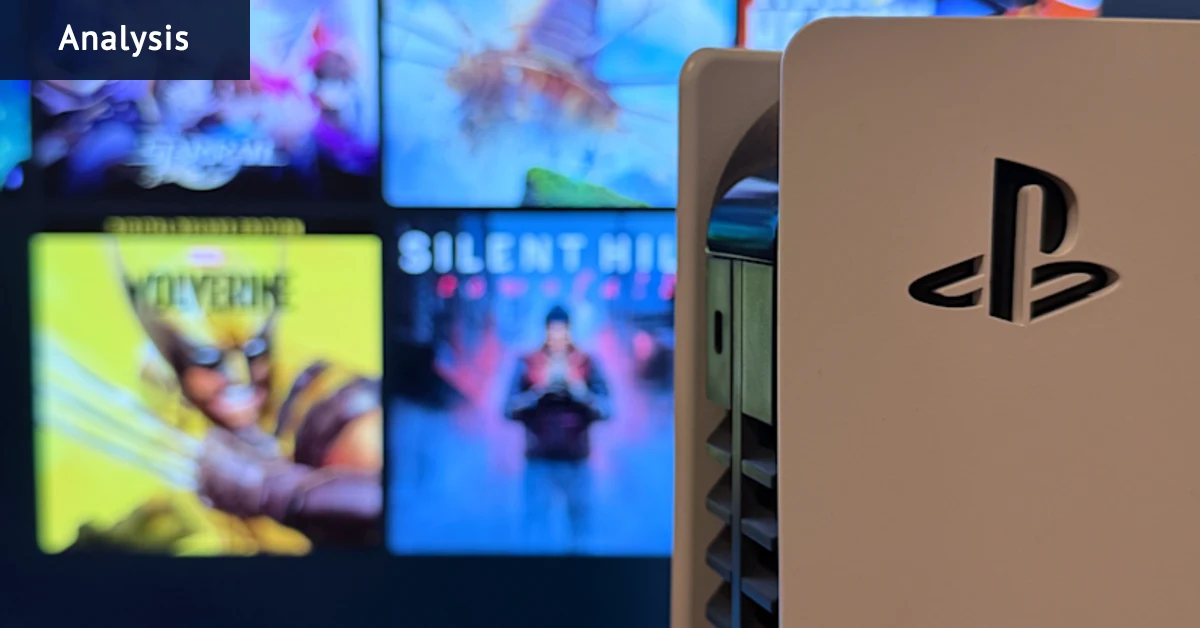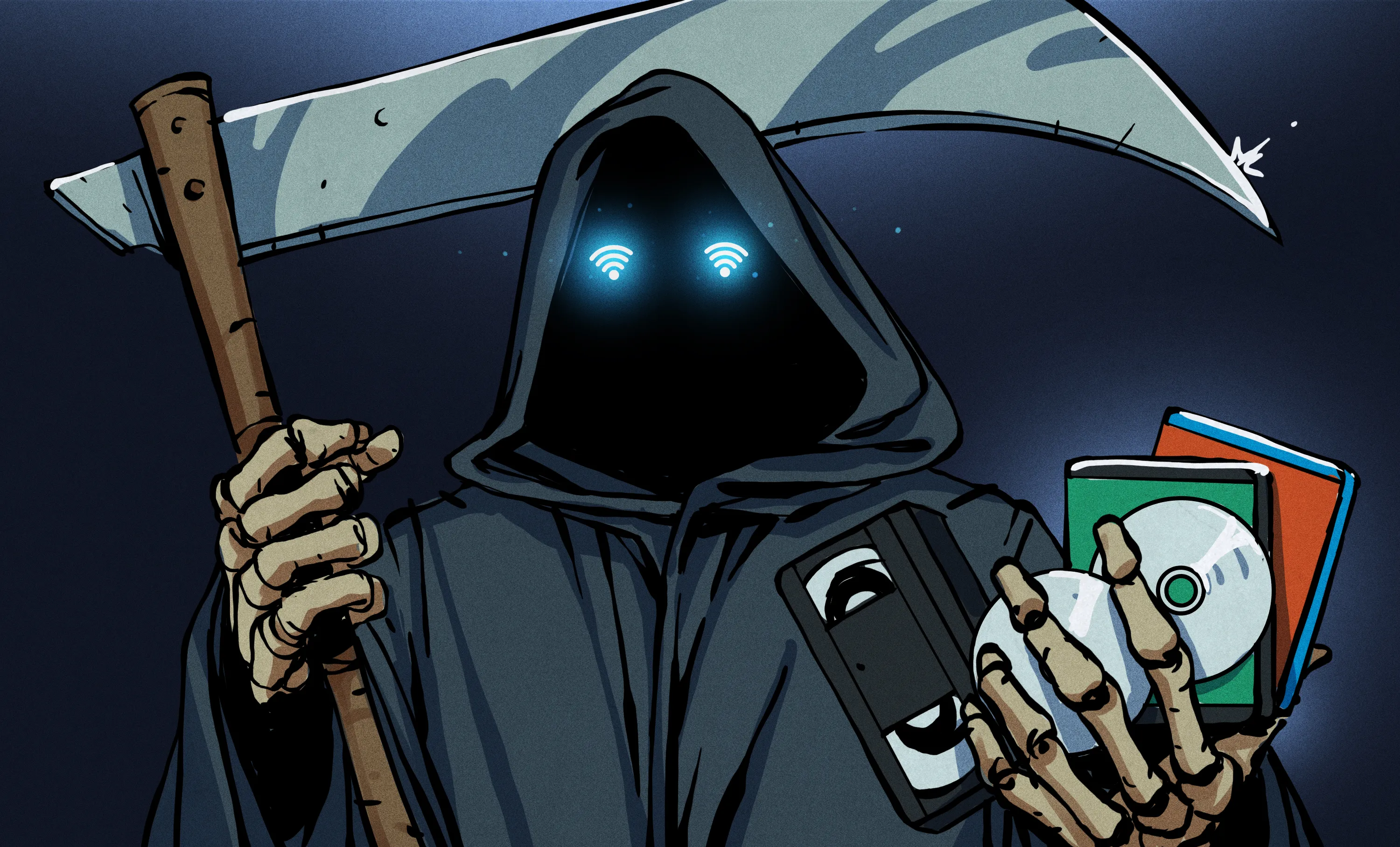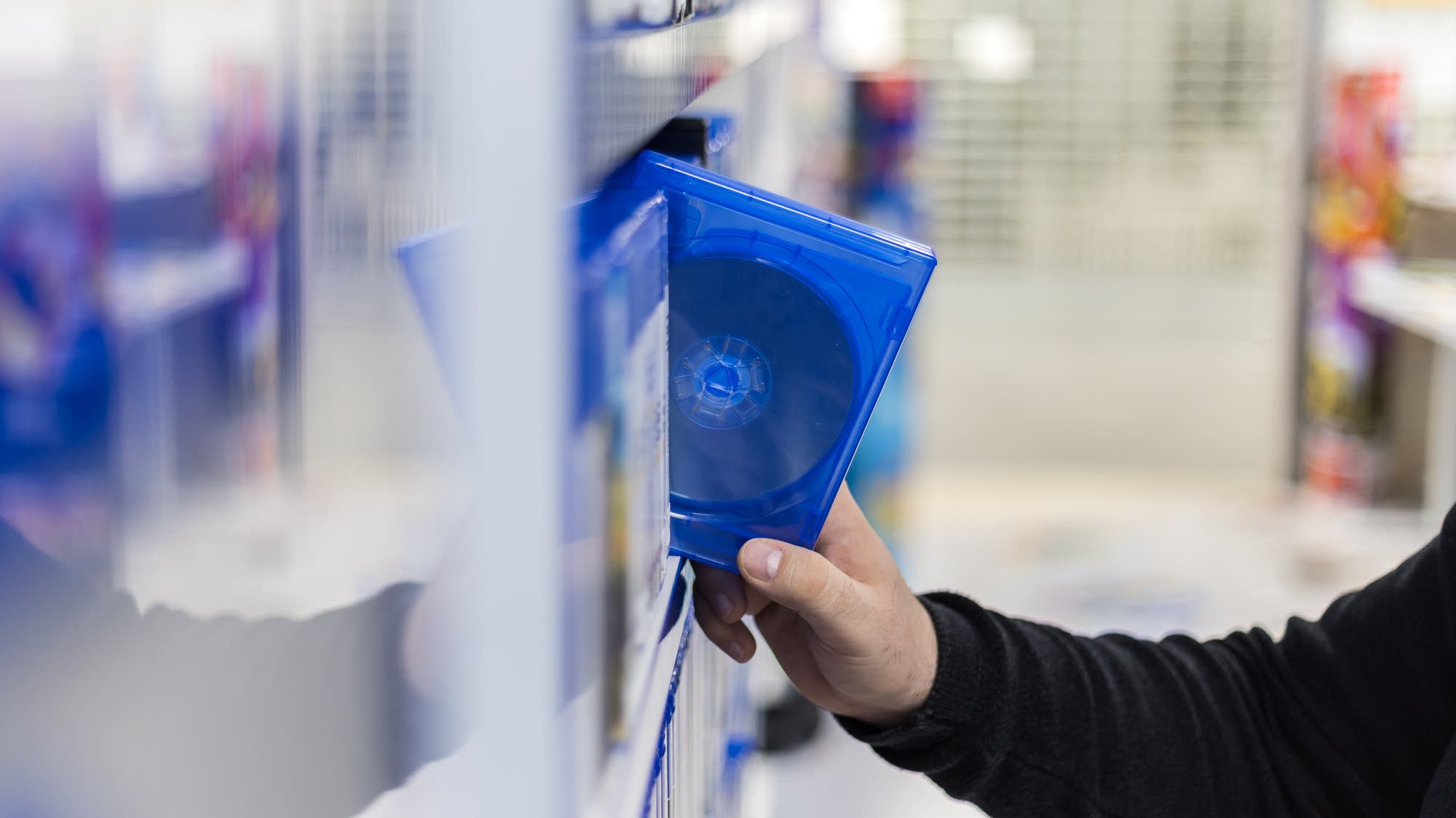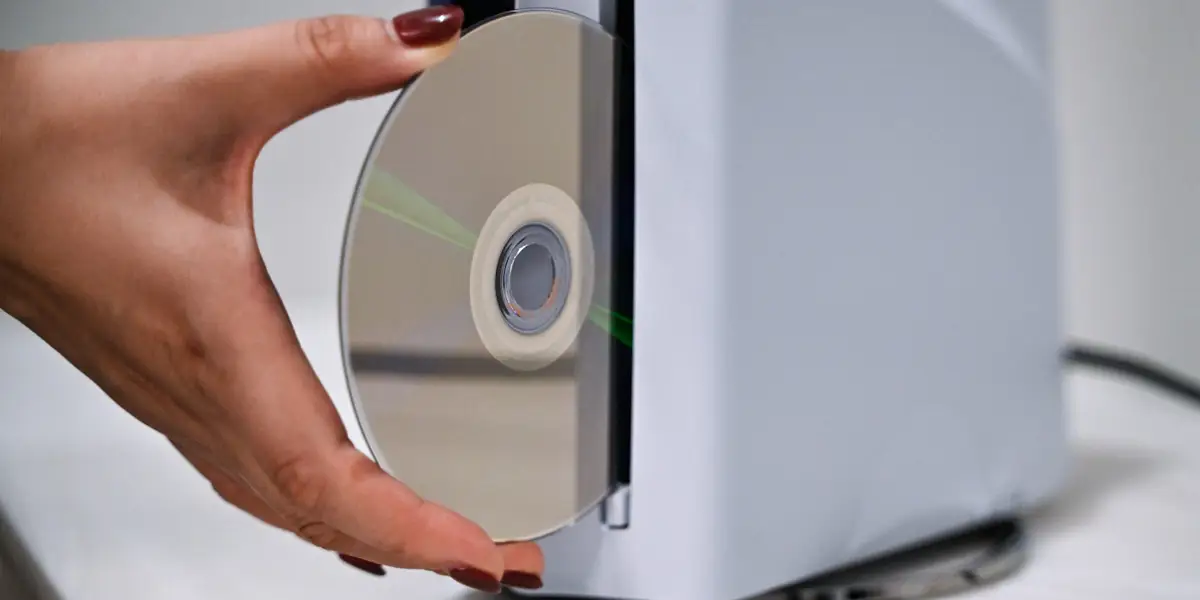
There was high-level fury among forums of the socially different recently when Sony, maker of the PlayStation gaming console, announced it would cease selling video games on physical discs from 2028. The move means games will be available only through download on PlayStation’s digital store, essentially giving the company complete control of pricing and distribution. The announcement was roundly criticised by games developers, retailers, the media and prominent members of the broader tech community as yet another move by big corporations to have an iron grip on recreational media. The legendary Japanese game designer, Hideo Kojima, grimly warned that freely accessing the things we love could be a thing of the past.For good reason. The past few decades have seen a gradual move from an emphasis on consumers owning entertainment to it essentially being rented via subscriptions. What people have access to is pretty much at the behest of corporations that control the flow of intellectual property. This has for years had a serious financial impact on artists and creators who are poorly remunerated through royalties for the use of their work, and some customers are priced out due to the death of second-hand markets. The romance of passionate subcommunities, borrowing, word of mouth, discovering hidden gems and cult followings has dwindled in an era of algorithms and online hyperbole.The United Musicians and Allied Workers’ union estimates artists are paid as little as $0.003 per stream on Spotify. This was made worse recently when the streaming goliath defended flooding its platform with AI-generated music, leading to artists facing even greater competition. Television streaming has also upended the market, making it harder for TV and filmmakers to earn royalties and making production companies reluctant to take risks.However, as media disappears from shelves, libraries and stores, there is a greater concern. As physical objects fade, so does our ability to accurately record modern history. The dying of physical media not only negates ownership, but it also leads to an information landscape where cultural and historic memory is at risk.Compounding this is that the true ownership lying with the corporation means anything digital can be cut at a moment’s notice without any real recourse. Data cited in a 2024 study by the Internet Archive, a US-based nonprofit dedicated to preserving digital material and web pages, suggests as many as a quarter of web pages that were sampled and existed from 2013 to 2023 were inaccessible.“When the sole means of accessing culture is through licensing, we leave our cultural memory at the whim of corporate and shareholder interests, who have not hesitated to axe creators and communities from the record when they see no financial gain in their continued availability,” the report reads.Journalism is often referred to as the first draft of history, but how precise can the general record-keeping be when online reports can be altered or straight-up removed, even years after the fact? This is especially the case with mistakes or retractions: though painful for the media house, they often can be important contexts for understanding broader narratives. Digital journalism losses don’t necessarily have to be for cynical reasons either ― simple human error, digital filing inconsistencies and stories falling through the cracks during ownership or publishing transitions all play a role. Conversely, print information is historically useful, the report says, mainly because it is immutable, and there being multiple copies. Printed media is slow to deteriorate and can be archived for decades.The Reynolds Journalism Institute in the US has for years encouraged newsrooms to take deliberate measures to ensure digital media is preserved, writing in 2021 that the digital “fragility” of journalism poses a serious risk to scholars and the public. Digital preservation, the institute writes, is much more difficult, requiring not only technical expertise but more effective policies and planning.Digital streaming did a lot to curb the widespread piracy of the early 2000s, but things have swung too much toward the interest of corporations. Rather than owning something, we have conditional access to a version of it, and everything is subject to erasure. It renders culture and history as simply disposable.A writer quoted in Internet Archive’s report sums it up: “Historical oblivion is the default, not the exception, to the human record.”• Pillay is a digital producer at Business Day.Business Day
KERUSHUN PILLAY | The death of physical media puts history and journalism at risk
Digital journalism's fragility endangers the accuracy of historical records
711 words~3 min read