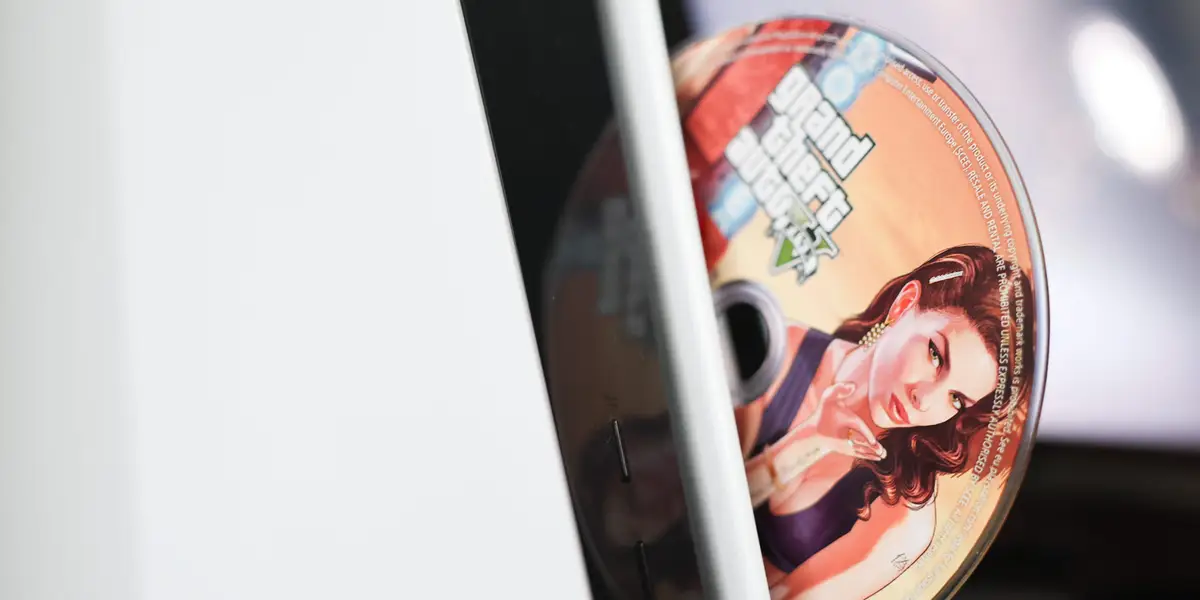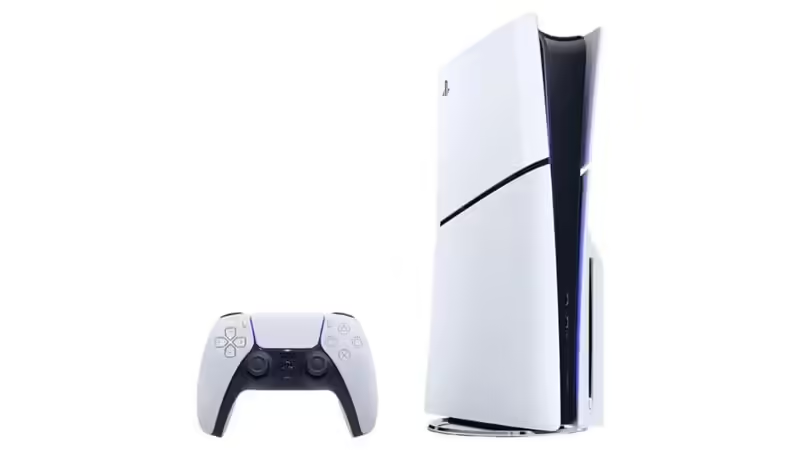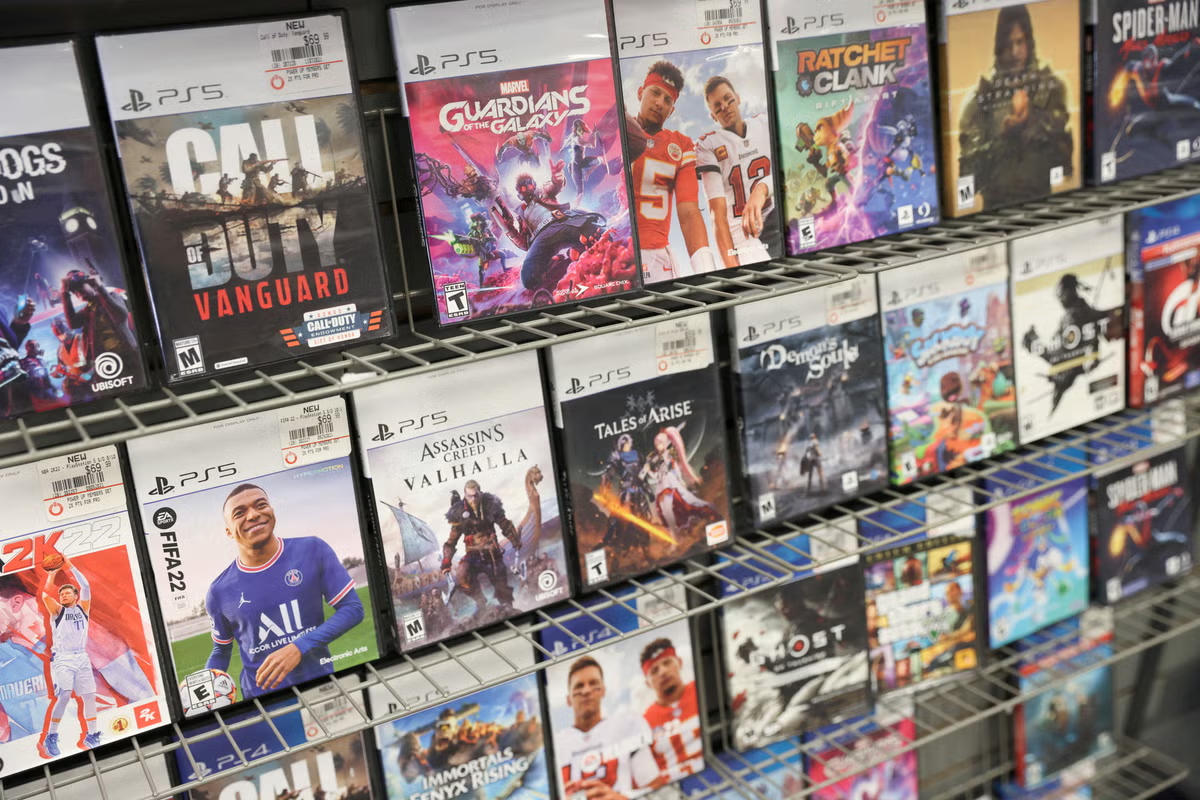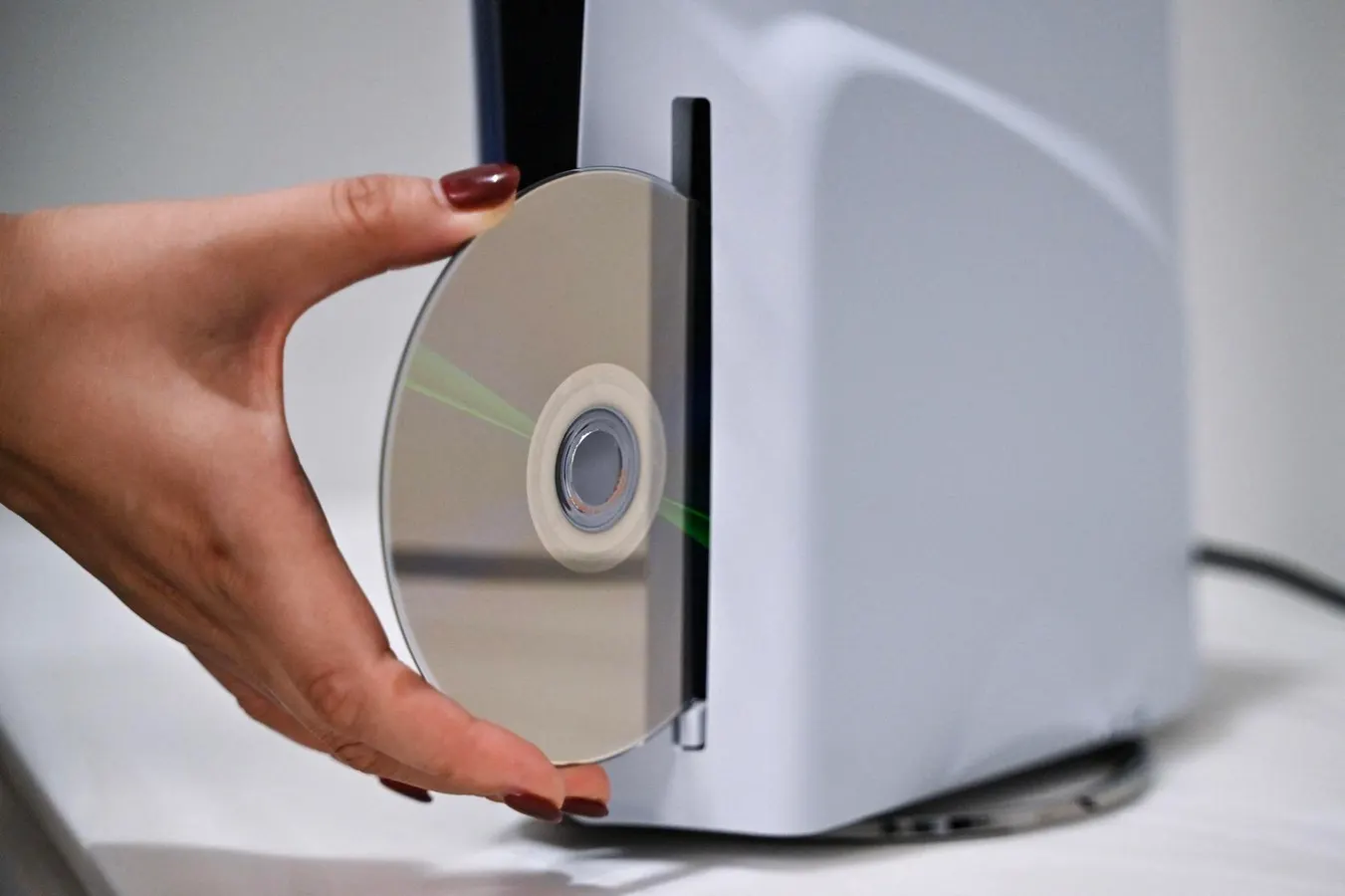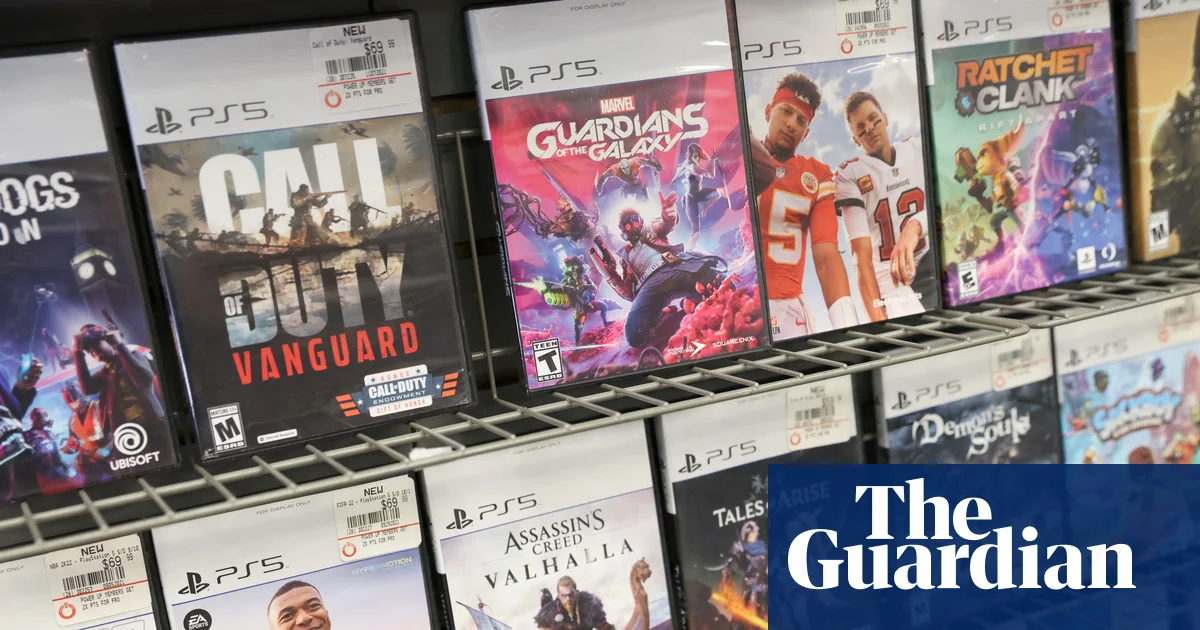
Sony’s decision last week to quietly announce the end of physical games production for the PlayStation in 2028 is one of the most perfect PR disasters in recent gaming history – and considering what has been happening with Xbox, that’s saying something.First, there was the timing. Sony posted the news of its decision on the PlayStation blog, less than a week after admitting that it would be deleting 550 movies from the digital libraries of PlayStation owners due to the end of a licensing deal – thereby perfectly illustrating the dangers of purchasing digital products. (Surprise! You never actually owned them!) The move is in stark contrast with the company’s stance on this very issue back in 2013. When Microsoft was attempting to push Xbox One as a digital-first console with strict controls on the sharing and reselling of its games, Sony brilliantly mocked its rival with a short video on how easy it was to lend physical games to pals on the PS4. Oh dear.If Sony thought the response to its decision would be meek compliance, it was wrong. TikTok and YouTube are buzzing with vociferous reaction videos by disgruntled gamers, while brands such as KFC, Domino’s and, for heaven’s sake, Dolorean have posted mock announcements to social media declaring their own intentions to go download-only. Satirical news site the Onion soon got in on the joke, with a story claiming popular US snack Twinkies would become exclusively digital. The response from Sony? Four days of total radio silence, because, well, what can they possibly say?Rows of PS4 video games for consoles on display in a Game Store shop in Essex, England. Photograph: John Williams/AlamyOf course, from a purely economic standpoint it is understandable why this decision was made. Across the board, video game publishers and console manufacturers are seeing game sales dominated by digital – on PlayStation it seems that about 80% of games are bought via the online store (although surely that figure is complicated by the fact that many hundreds of titles are only available as digital downloads). Abandoning discs will cut manufacturing and distributing costs for games, and it will clear the route to a disc-free PS6 console, which would be cheaper to produce. Sony controls all digital sales through the PlayStation Store so it gets to set its own prices, too.The problem is, there are very few customer benefits. Choice is generally good for consumers, and PlayStation owners won’t have it from 2028 onwards. They won’t be able to buy cheaper games in retailer sales, they won’t be able to share games with friends or purchase them secondhand. Sony can and often does run sales on its digital store, but generally back-catalogue titles are full price. The company is facing multiple lawsuits over its monopoly on digital PlayStation game sales.More importantly, many customers still buying physical copies will be superfans, the sorts of people whose spending on games, hardware, peripherals and merchandise is far above average. They’re not just consumers, either: they’re advocates – the ones encouraging their friends to buy and play games. They’re active members of online communities, and they may also be content creators. Last year, Goldman Sachs published a report on the music industry (where Sony is also active) in which it identified superfans as a vital element of the modern business, bringing in $4.5bn in revenue in 2024. Covering the report, Music Business Worldwide wrote: “What defines a superfan isn’t just spend. It’s social signalling, identity alignment, emotional investment and community. These people don’t just consume, they contribute, create and amplify.” It’s the same thing in games – and with one decision, Sony has disenfranchised some of its most ardent supporters.In the past, Sony has always broadcast an understanding that games are a cultural medium as well as a consumer product. From the astonishing TV adverts that accompanied the original PlayStation, to its careful stewardship of the acclaimed The Last of Us television series, it has communicated to players an understanding of artistic value. Physical hardware has played a part in that: the first PlayStation was also great for playing music CDs, the PlayStation 2 was a cheap DVD movie player, the PlayStation 3 introduced Blu-ray to the world. Yes, this was all before the digital revolution, but the image these decisions projected was of a company that understood the wider role of gaming consoles as a hub of entertainment.Perhaps Sony has learned that statistics don’t always tell a complete story when it comes to how human beings envision themselves, their preferences and their purchases. At a time when gen Z is embracing physical media such as vinyl and cassette albums and movie DVDs, it seems culturally illiterate to eject game discs from the future. As a lifelong gamer and media collector, the physical games I own mean so much more to me than the ones buried on hard drives. It has been wonderful to see the rise of companies such as Lost in Cult and Iam8bit which produce deluxe editions of recent titles for keen collectors. This is how fandom cultures operate – by rewarding and validating their most passionate fans – and there are benefits for the entire ecosystem.Clearly, there was no column on Sony’s costs reduction spreadsheet to take that into account.What to playJokes and hijinks … Lego Batman: Legacy of the Dark Knight. Illustration: TT Games/Warner BrosI wanted to recommend a PS5 game that’s available to buy on a physical disc and I’m going for Lego Batman: Legacy of the Dark Knight, the latest title in the excellent series. It has an open-world Gotham to explore, a great combat system and all the usual jokes and hijinks.The main story mode takes you through all the phases of Bruce Wayne’s life, making countless references to previous TV and movie incarnations of the character, and the co-op mode, as in previous Lego titles, is the perfect way to introduce children to action adventure games. Both of my sons have finished the game and adore it.Available on: PC, PS5, Xbox
PlayStation says it will stop making physical games – and that should worry us all
Sony’s announcement spells the end of a whole ecosystem built by superfan collectors – and signals a troubling shift in the industry
1,413 words~6 min read