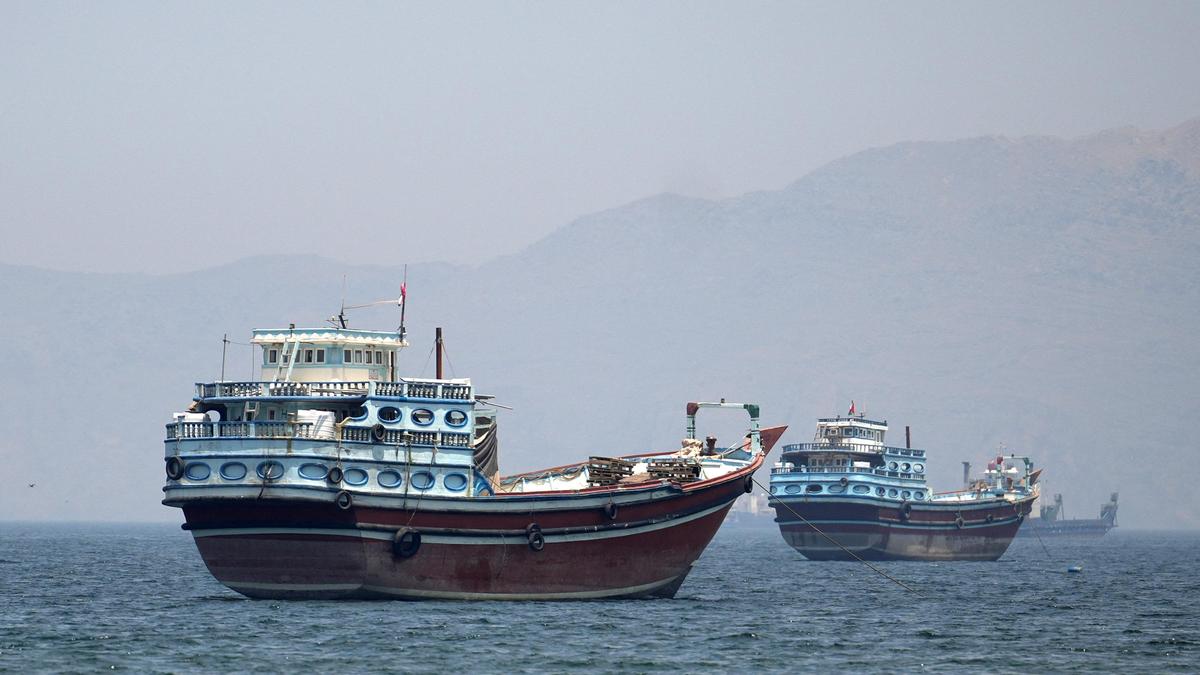
The US-Iran war has dramatically shaken up trade and energy supplies and forced India to confront its maritime dependency. Approximately 95 per cent of India’s trade by volume and about 70 per cent by value moves by sea.
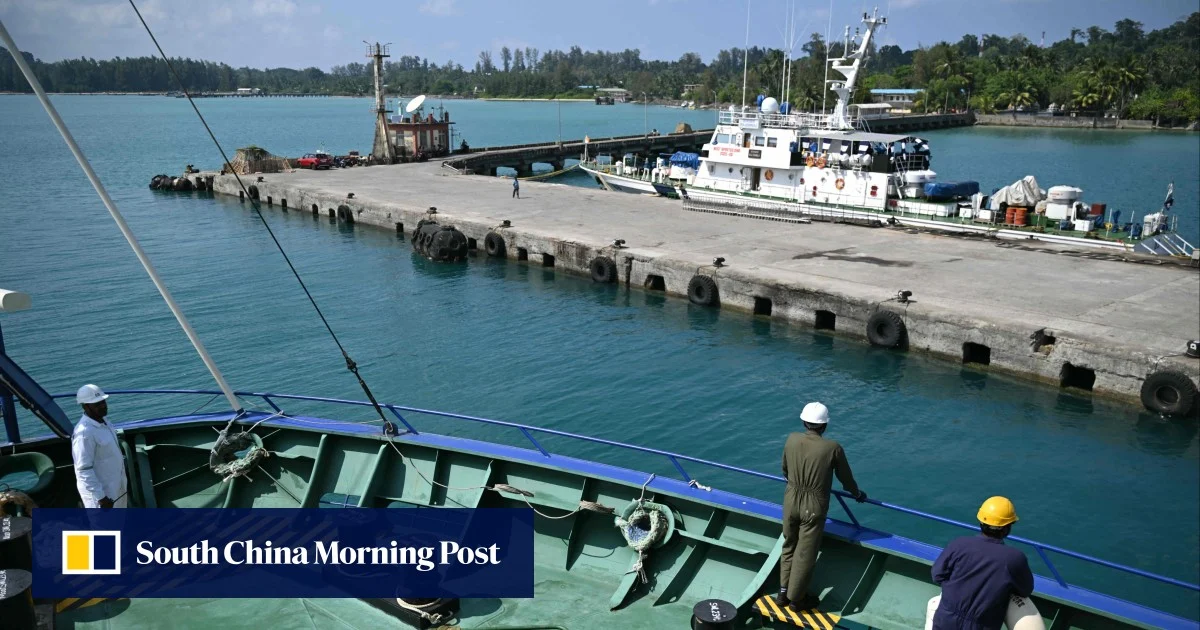
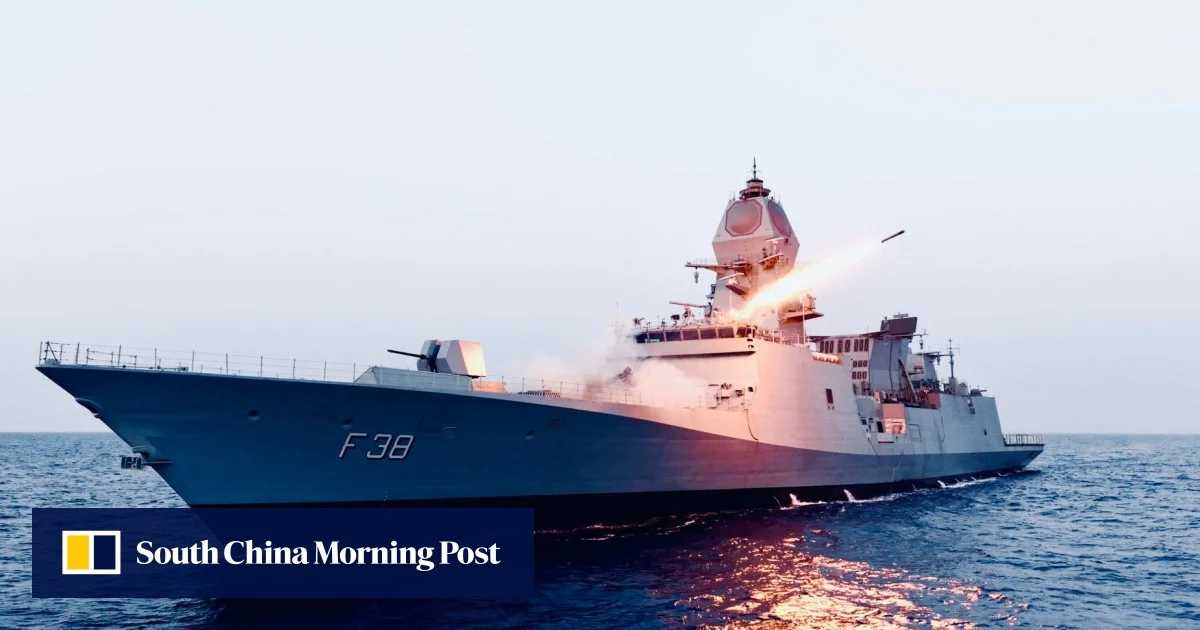
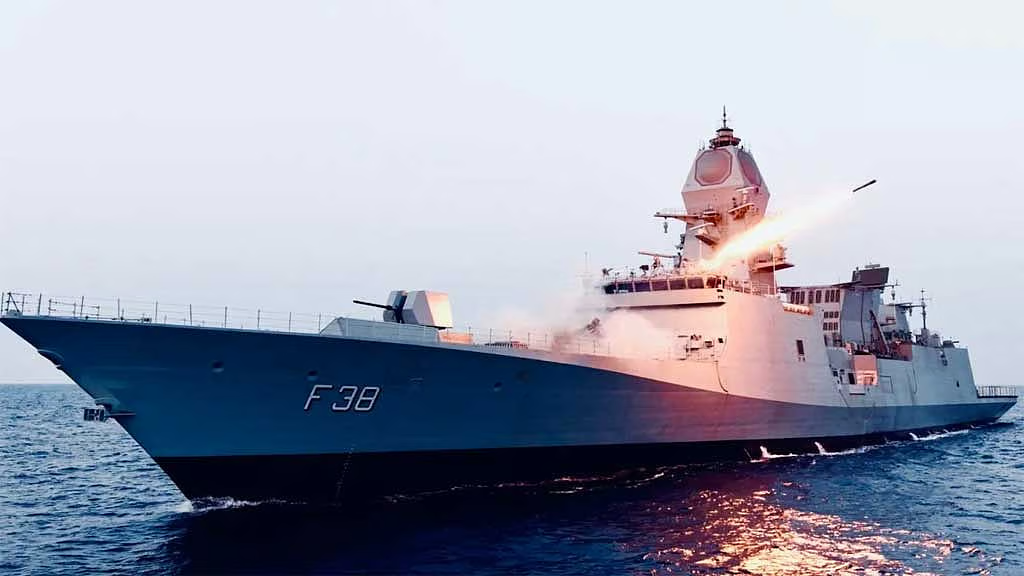
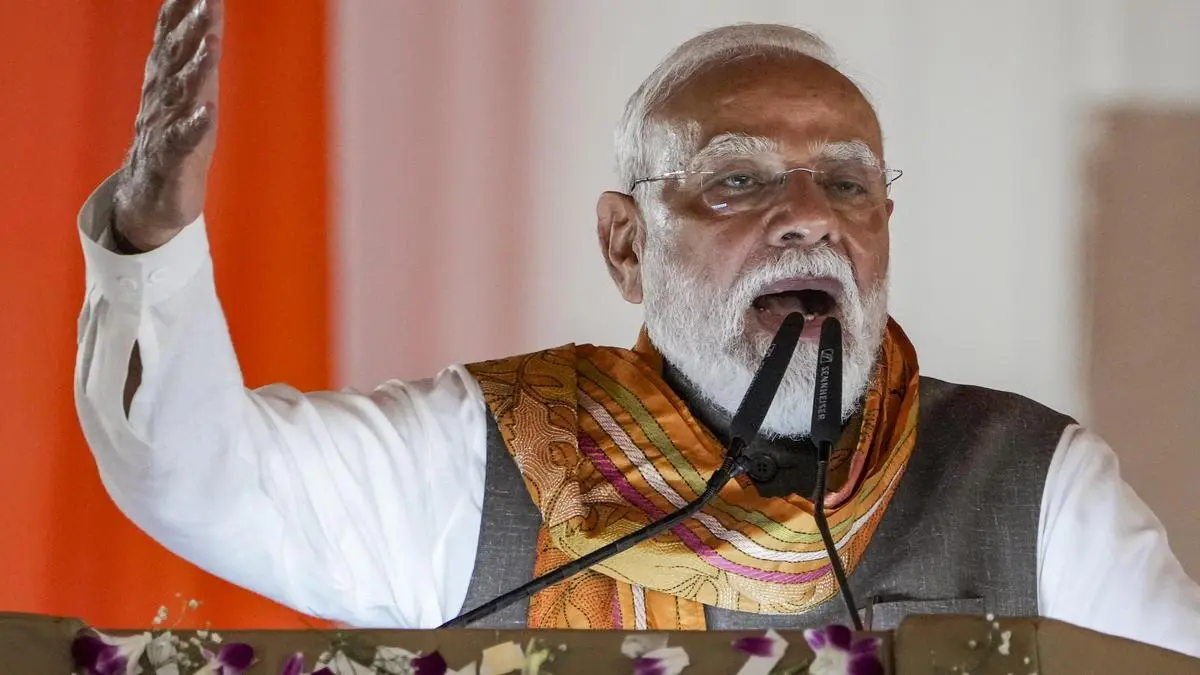
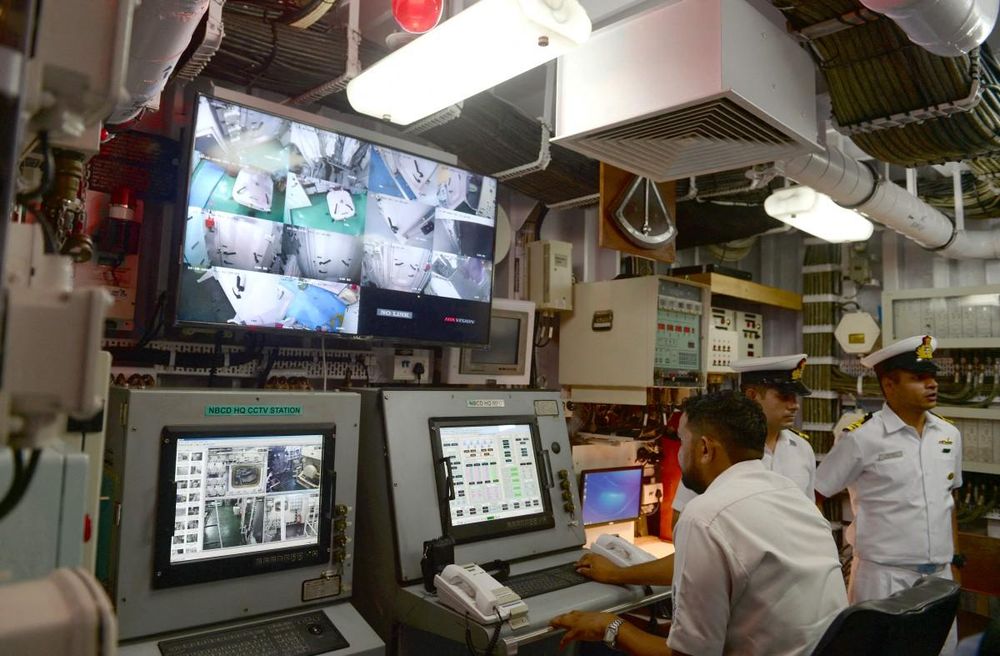
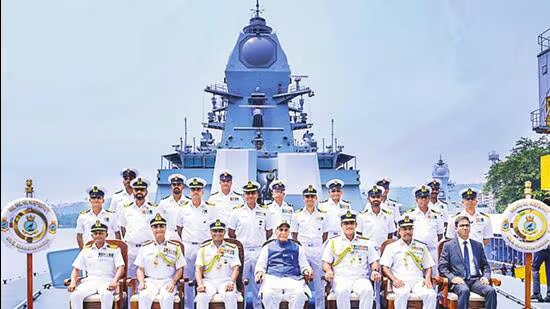
The Modi government has, expectedly, touted recent warship commissionings and the controversial Great Nicobar project as evidence of decisive maritime action. Yet beneath the bluster, it has allowed a widening gap to emerge between India’s naval requirements and its procurement pipeline.The reality is that orders for the high-end platforms required for sustained combat operations in the Indian Ocean and around the Malacca Strait have stalled. Beyond three frigates now fitting out, the current order book contains no aircraft carrier, destroyer, frigate or attack submarine likely to enter service before 2035.
Also Read: Three reasons why India is overly dependent on China for lithium
Lack of political will and focus
There are many reasons for this unfortunate situation, including funding constraints and persistent bureaucratic delays. However, the underlying reason is insufficient political focus — a gap that could extract a heavy price if conflict were to erupt.It is the civilian leadership’s job to define a national security strategy that identifies threats, priorities and trade-offs. The armed forces then develop force structures and capabilities to implement these goals. Force planning in the absence of strategy is, by definition, ad hoc. Indeed, the Defence Acquisition Procedure 2020 states that the planning process should evolve from a “National Security Strategy/Guidelines (as and when promulgated)”.Six years later, no such strategy is visible.