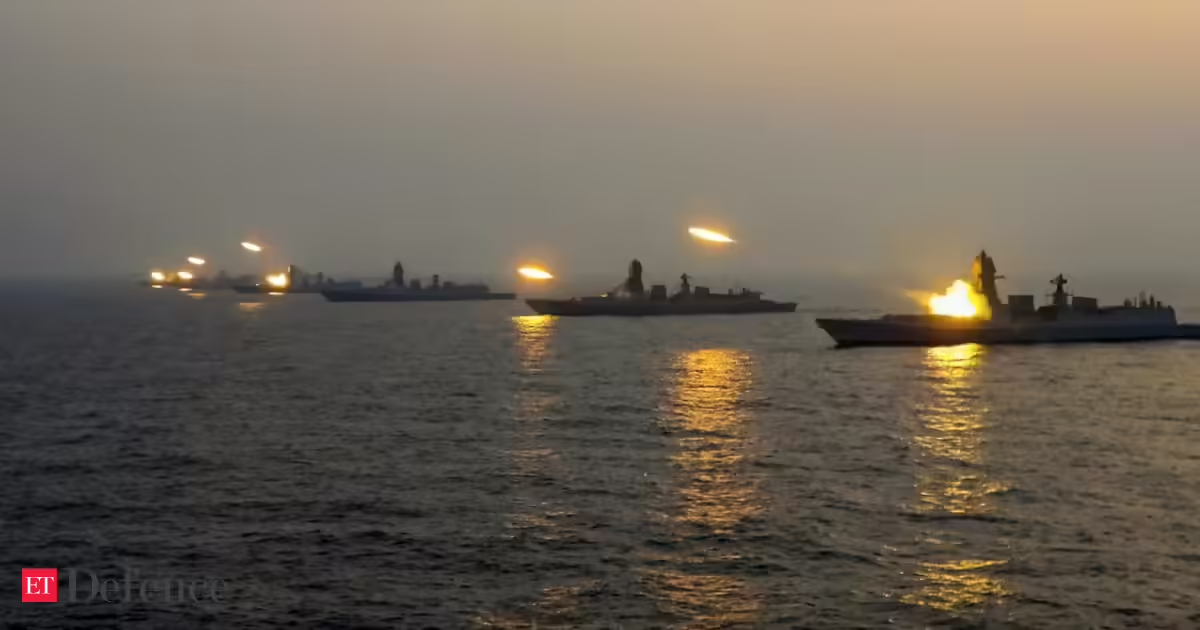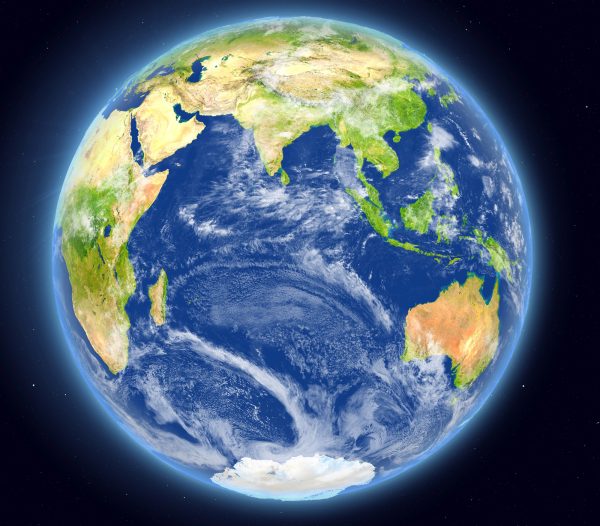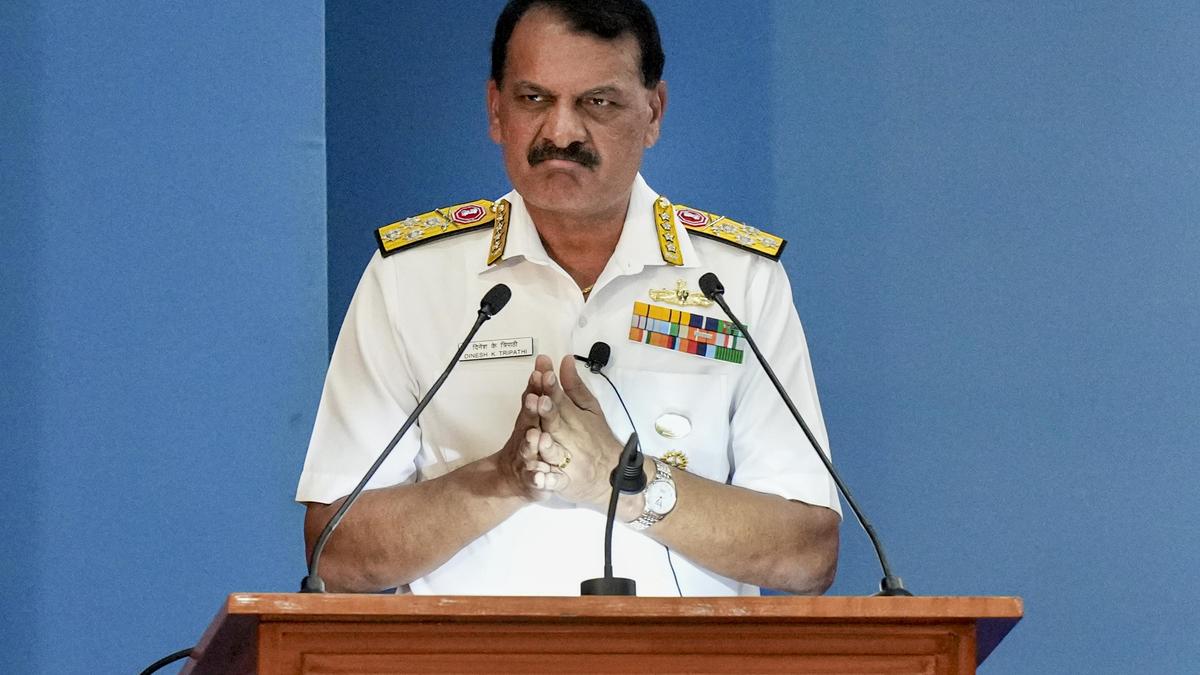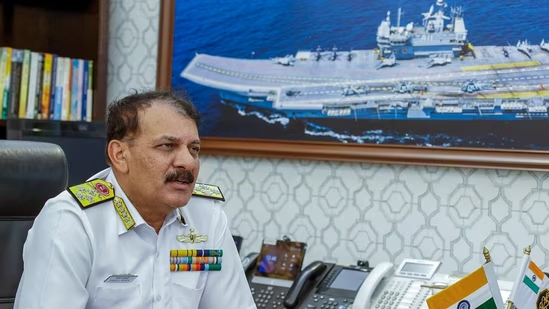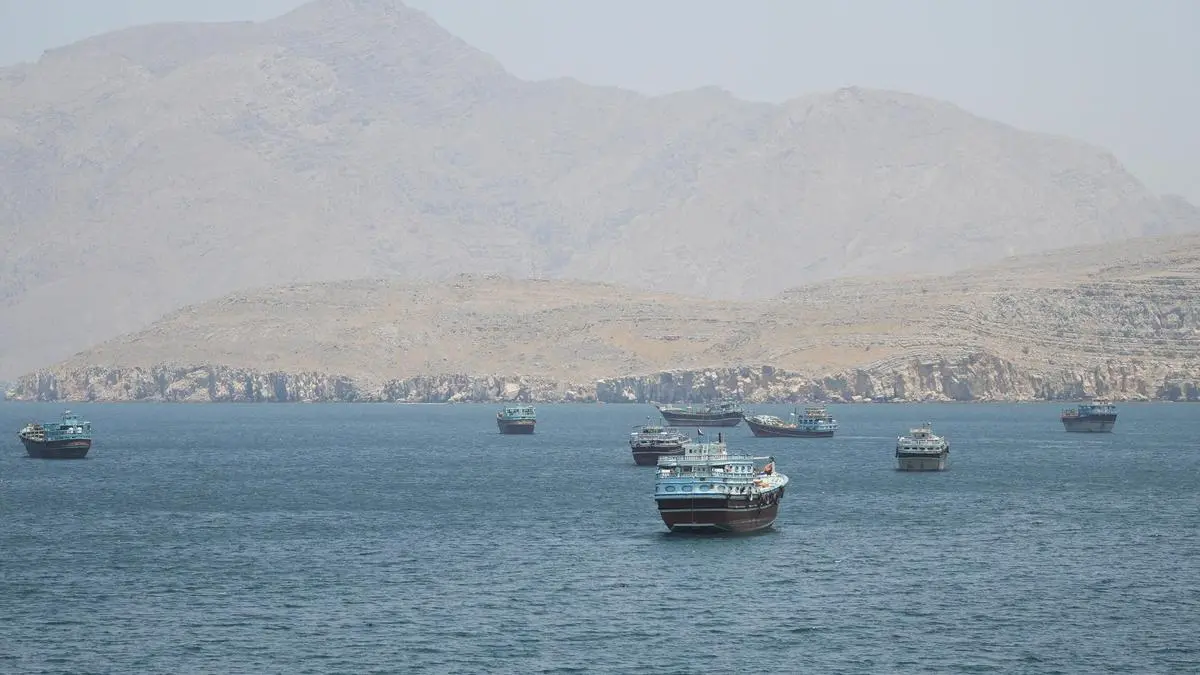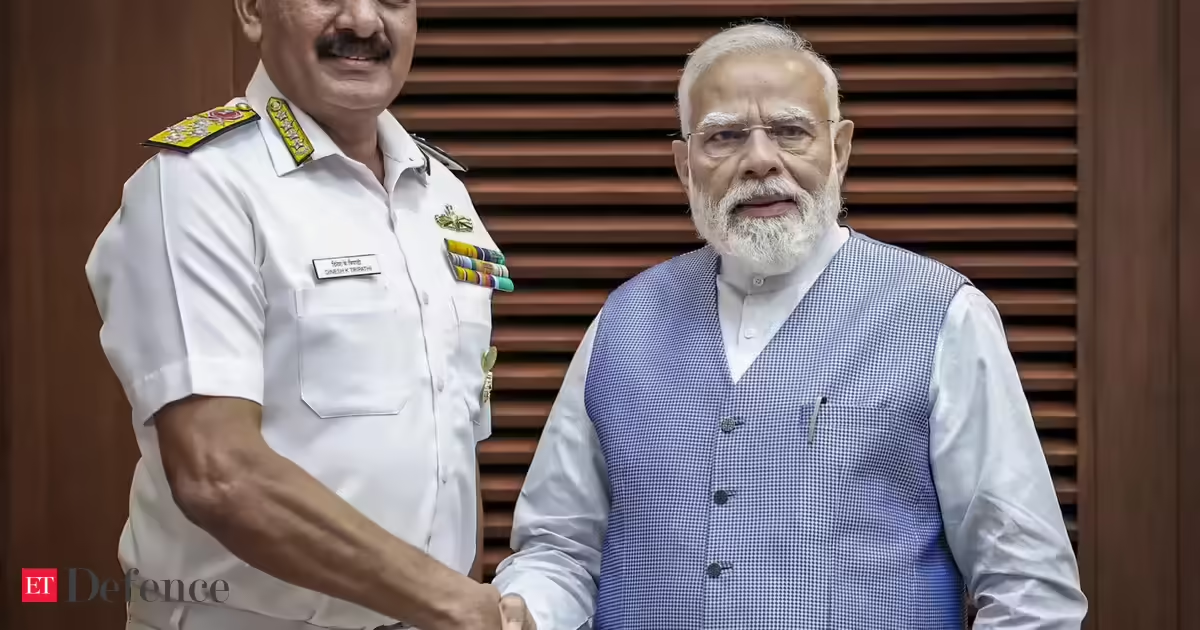
SynopsisChief of Naval Staff Admiral Dinesh K Tripathi highlighted that India's security is increasingly impacted by global events, with maritime security intrinsically linked to economic and energy security. He emphasized the need for jointness and integration among armed forces, while the Navy actively monitors strategic developments in the Indian Ocean Region and incorporates emerging technologies for future warfare.PTIPrime Minister Narendra Modi, right, exchanges a handshake with outgoing Chief of the Naval Staff (CNS) Admiral Dinesh K Tripathi during a meeting. India's security is increasingly influenced by developments beyond its borders, with geographical distance offering little insulation from the consequences of conflicts, Chief of Naval Staff Admiral Dinesh K Tripathi said, citing the crises in West Asia and Ukraine as key examples.In an interview with PTI, Admiral Tripathi said the most important lesson from recent conflicts is that maritime security is intrinsically linked to economic security, energy security and national resilience. He added that Operation Sindoor reaffirmed the Indian Navy's readiness, operational reach and deterrence capability.Maritime security tied to national resilienceThe Navy Chief said security challenges today are interconnected and that the effects of conflicts can extend far beyond the regions where they originate. He noted that disruptions in critical maritime corridors can directly affect economies, energy supplies and broader national interests.Highlighting the Navy's operational preparedness, Admiral Tripathi said the force today operates with sustained reach, credible capability and mission-ready preparedness, enabling it to effectively address a wide range of maritime security challenges.No more short warsReferring to ongoing conflicts in West Asia and Ukraine, the Navy Chief said the belief that wars are likely to be short and swift has been disproved. He also said the concept of strategic depth as a reliable sanctuary has diminished in relevance due to the growing use of long-range precision weapons.He emphasised that future conflicts are likely to be shaped by speed, scale and simultaneity, highlighting the changing character of warfare.Jointness critical for future operationsOn military theatre commands, Admiral Tripathi said theatreisation should be viewed primarily as a means of improving operational effectiveness rather than merely restructuring organisations.He stressed that jointness and integration among the armed forces have become an operational necessity in the modern battlespace. The maritime domain, he said, inherently requires the coordinated application of naval, air and land capabilities.The Navy Chief said the Navy would ensure that any future theatre command framework is designed around maritime realities while remaining aligned with the broader objective of integrated warfighting. He added that such an approach is essential for enhancing operational effectiveness in an increasingly complex security environment.Navy monitoring strategic developments in Indian Ocean RegionAddressing the growing presence of external powers in the Indian Ocean Region, Admiral Tripathi said the Navy remains fully aware of increasing strategic competition and the expanding presence of extra-regional actors.He indicated that these developments are being closely monitored as India continues to safeguard its maritime interests and maintain stability in the region.Navy monitoring strategic developments in Indian Ocean RegionAddressing the growing presence of external powers in the Indian Ocean Region, Admiral Tripathi said the Navy is fully aware of increasing strategic competition and the expanding presence of extra-regional actors in the maritime domain.Without directly naming any country, he said the evolving security environment in the region is being closely monitored. He emphasised that deterrence stems from credible capability and sustained operational readiness, adding that the Indian Navy remains prepared to safeguard the country's maritime interests and contribute to regional stability.Focus on emerging technologies for future warfareThe Navy Chief said the Indian Navy is aggressively incorporating emerging technologies to build a future-ready force. These include artificial intelligence, quantum technologies and autonomous systems across multiple operational domains.According to Admiral Tripathi, the adoption of advanced technologies is aimed at enhancing operational effectiveness and ensuring that the force remains prepared for the demands of future conflicts. He said technological modernisation, combined with operational readiness and credible capabilities, remains central to the Navy's long-term strategy.Read More News on
From West Asia to the Indian Ocean, maritime security challenges are interconnected; Op Sindoor proved readiness, says Navy Chief
Chief of Naval Staff Admiral Dinesh K Tripathi highlighted that India's security is increasingly impacted by global events, with maritime security intrinsically linked to economic and energy security. He emphasized the need for jointness and integration among armed forces, while the Navy actively monitors strategic developments in the Indian Ocean Region and incorporates emerging technologies for future warfare.
653 words~3 min read