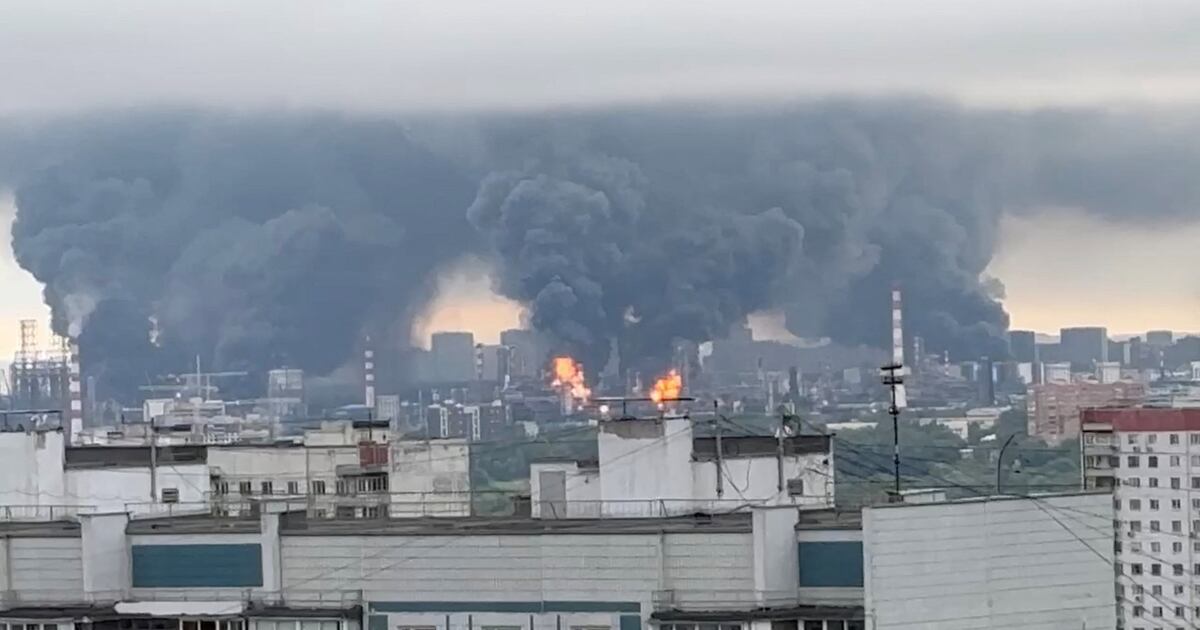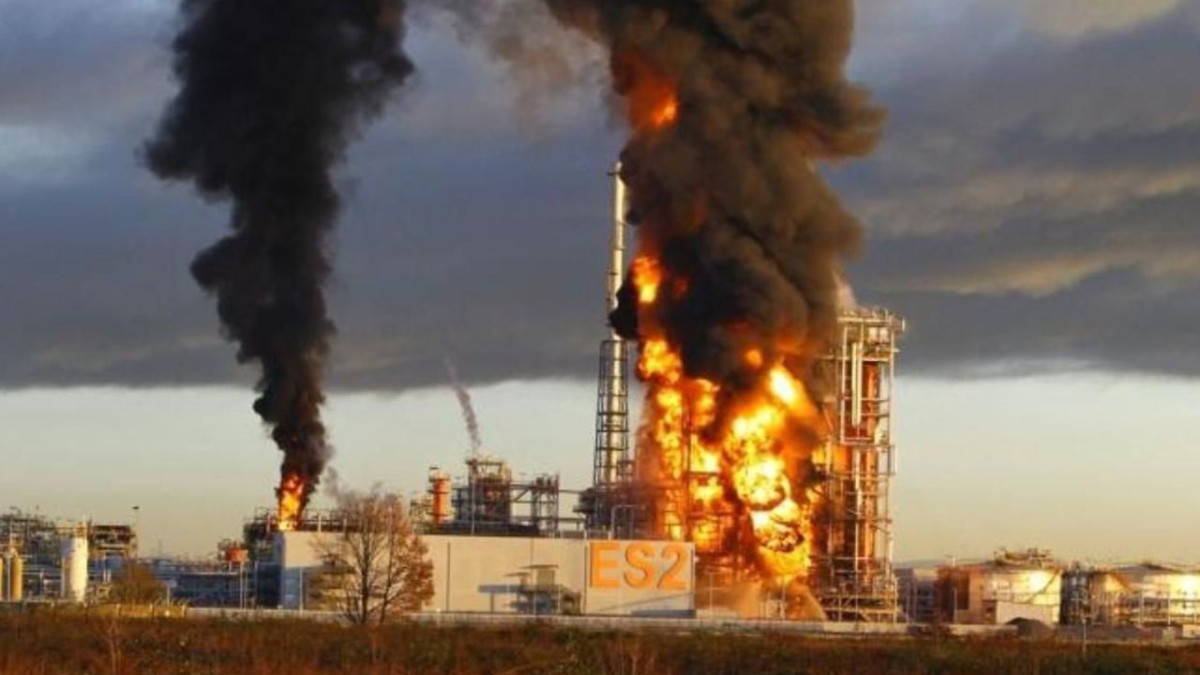
The oil market faces a significant supply crunch as stricter sanctions on Russia’s refining system exacerbate existing shortages. MarketWatch reports that the ongoing geopolitical tensions in Iran, coupled with Russian refining capacity cuts, are contributing to this crisis. These developments come as crude oil prices hover around $68 to $72 per barrel, while refined products like gasoline and diesel remain scarce, with output significantly below pre-war levels.
Market participants are closely watching the potential impact on crude oil prices, which could rise further if these supply constraints persist. The ongoing closure of the Strait of Hormuz, a critical chokepoint for global oil trade, adds another layer of complexity to the situation. Despite the current pricing of crude oil sub-markets, the likelihood of reaching a new all-time high remains low, with the September 30 market reflecting a 5.1% probability of such an outcome.
The International Energy Agency has described the current situation as the largest oil supply disruption in history. This disruption is projected to lead to a global supply fall of 3.7 million barrels per day by the end of 2026, further straining the already tight market conditions.