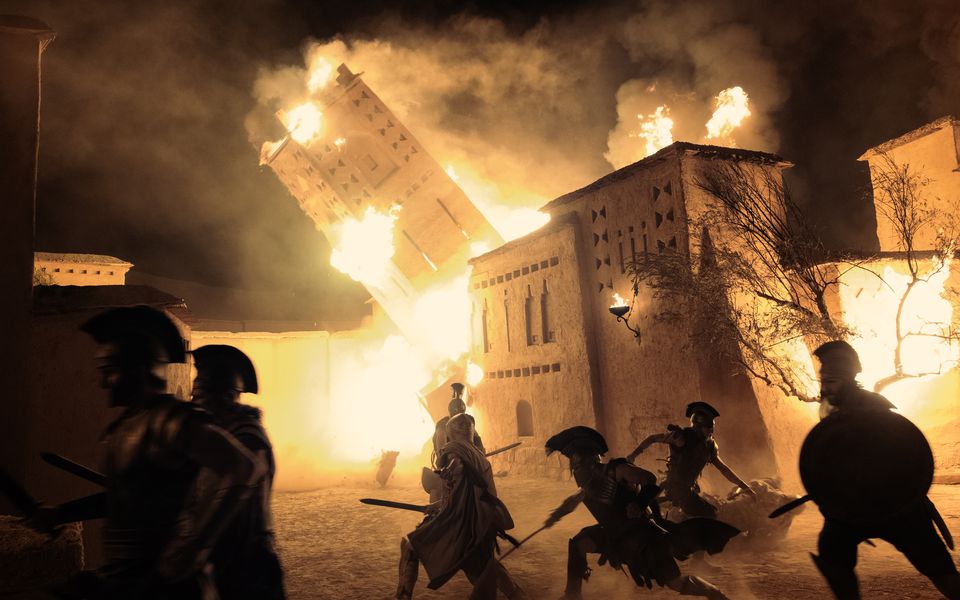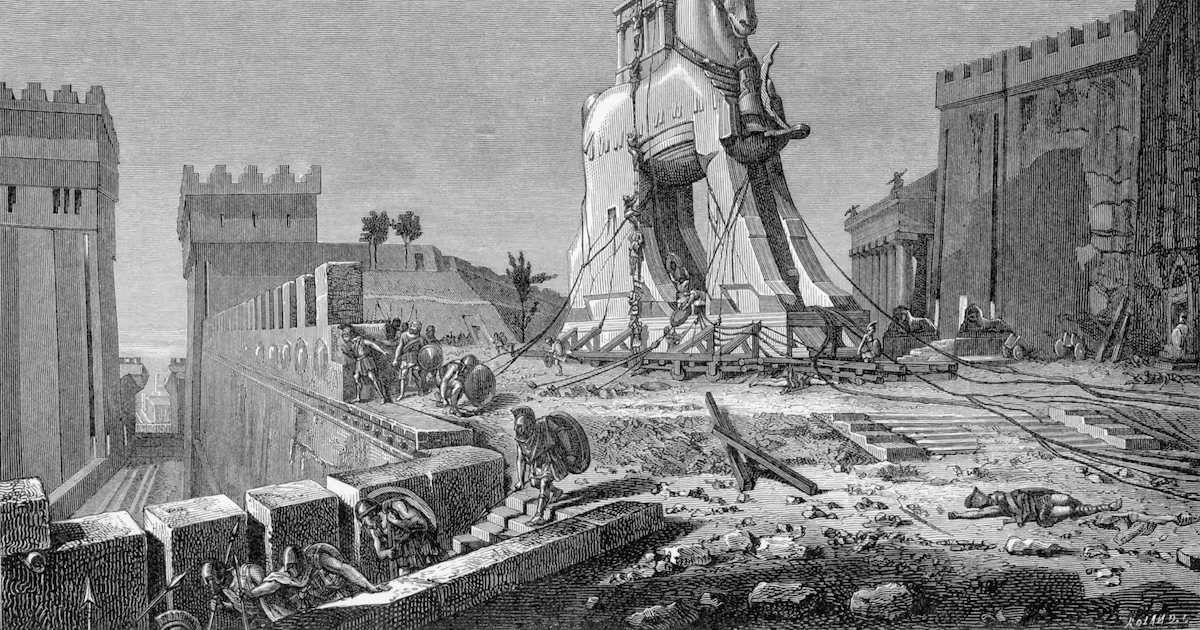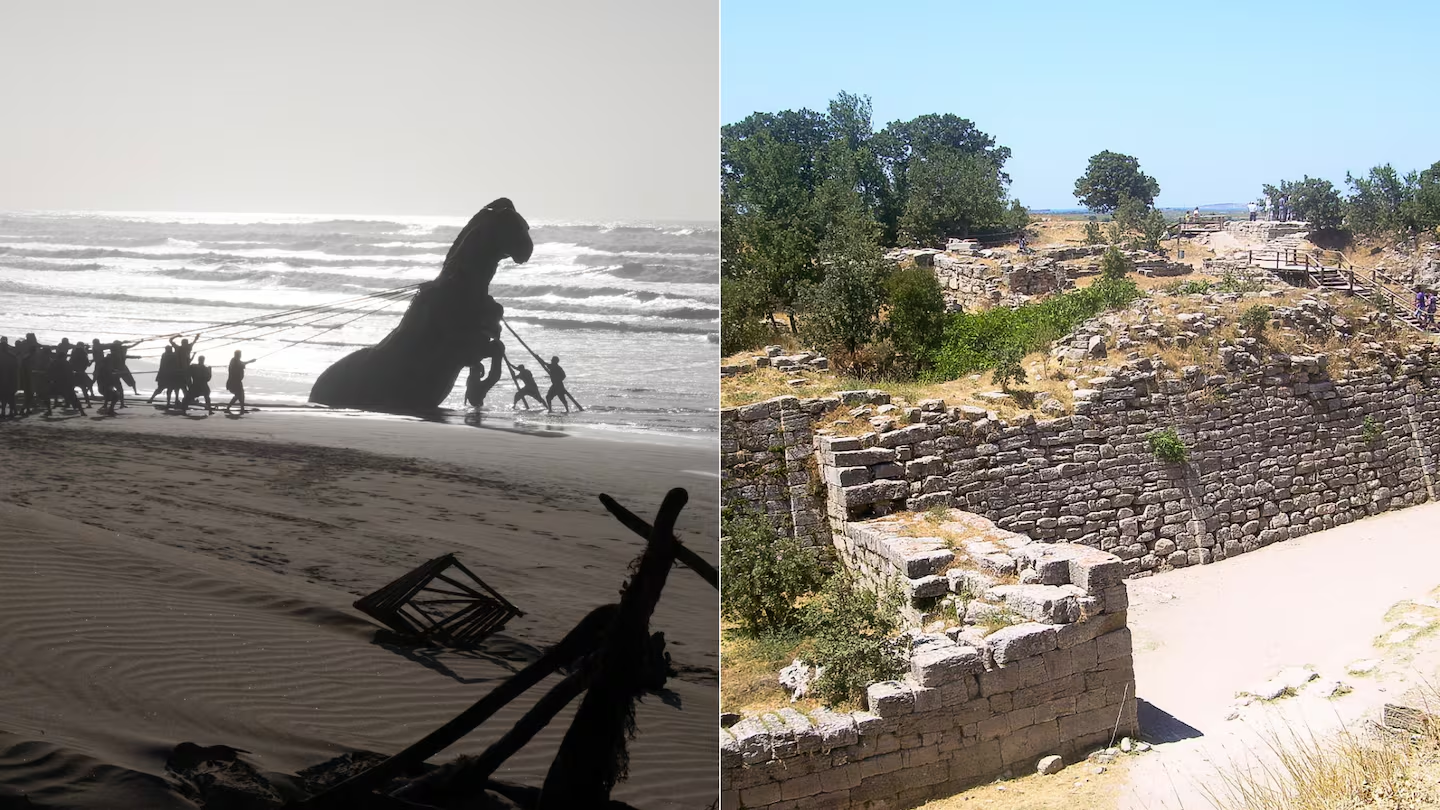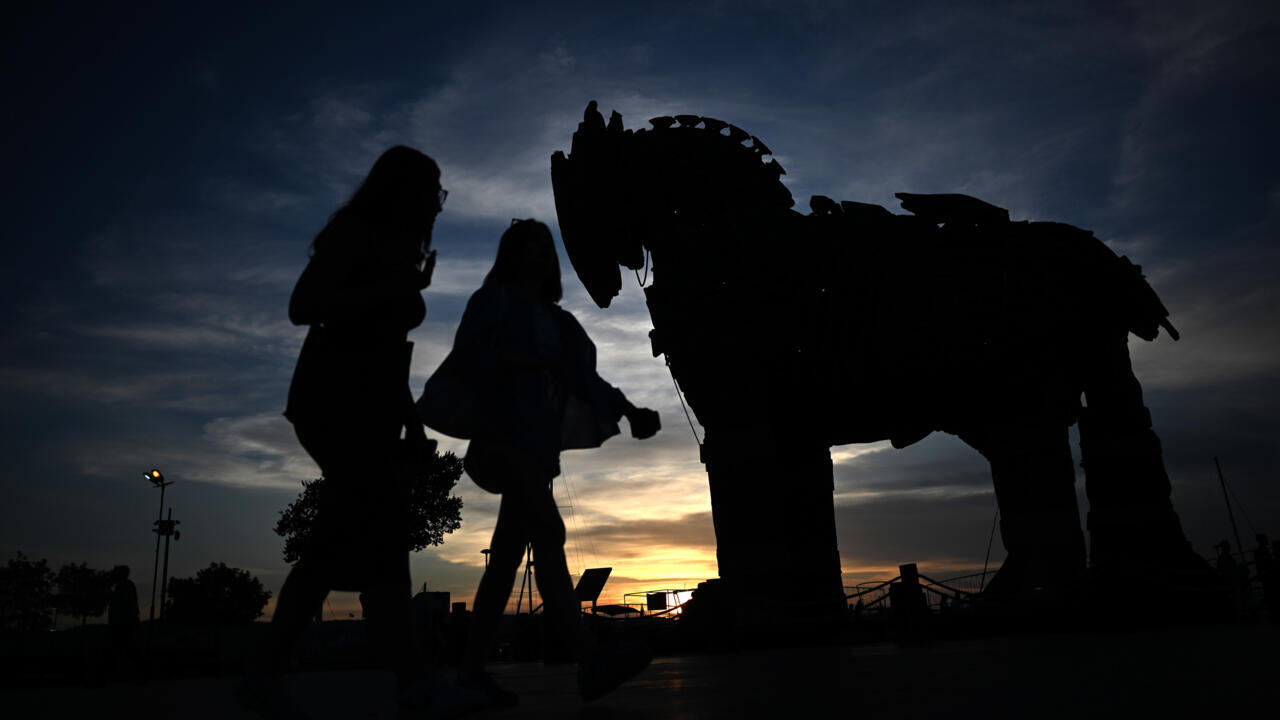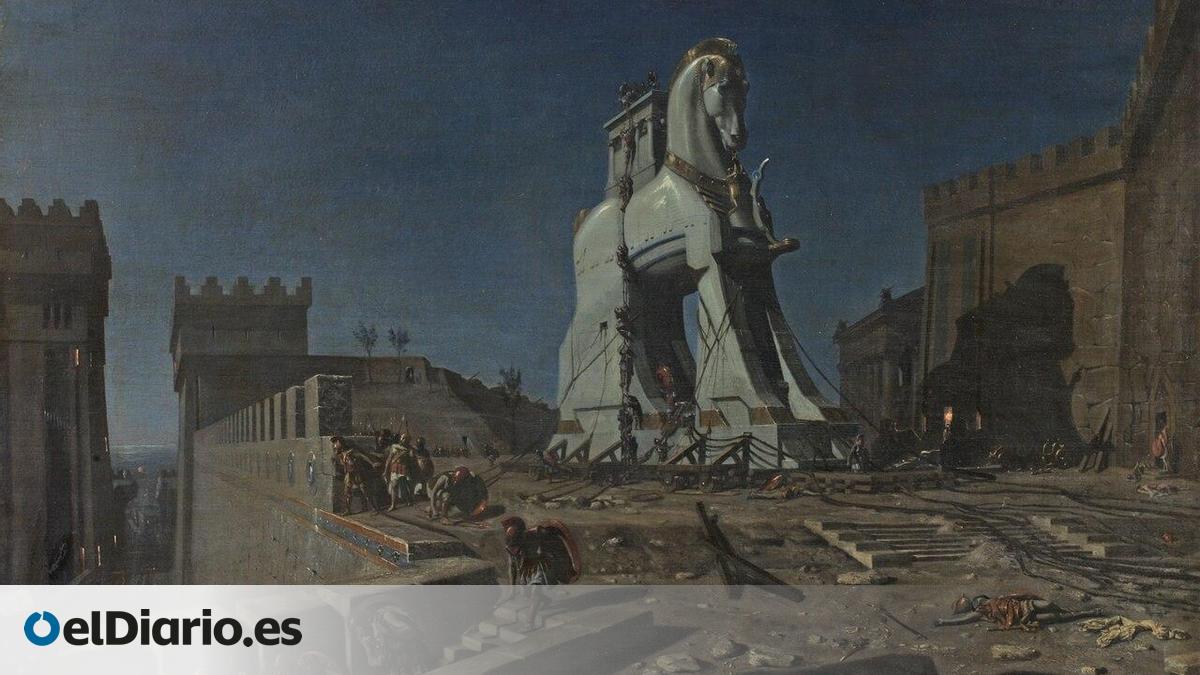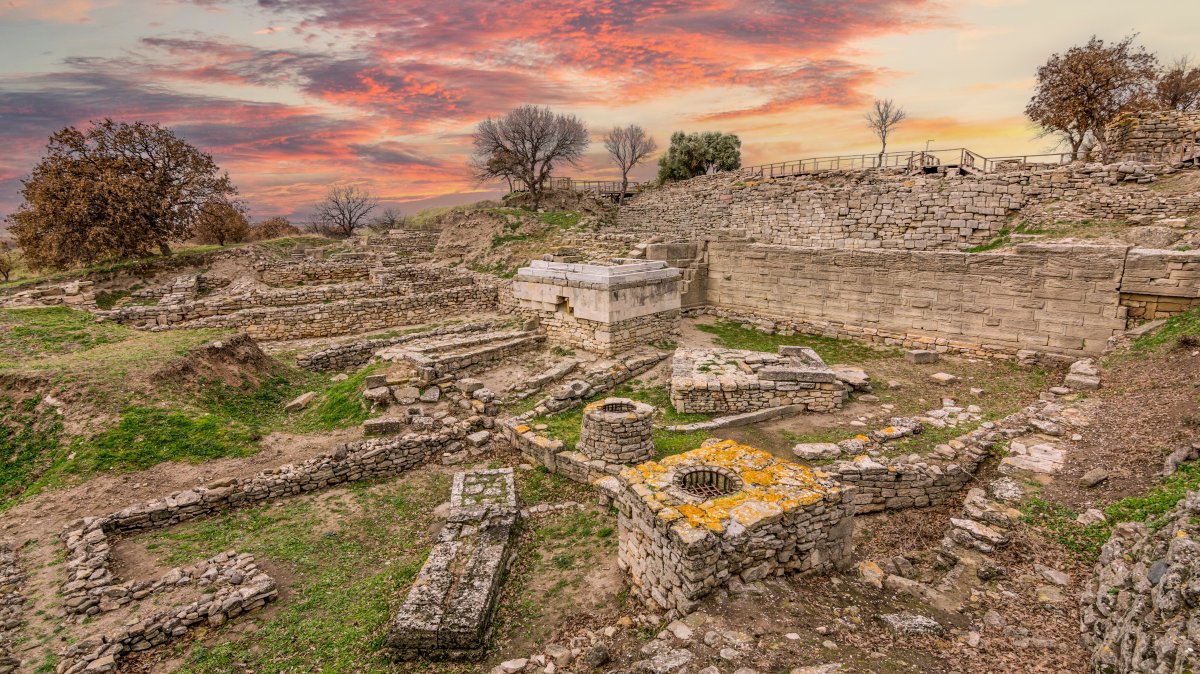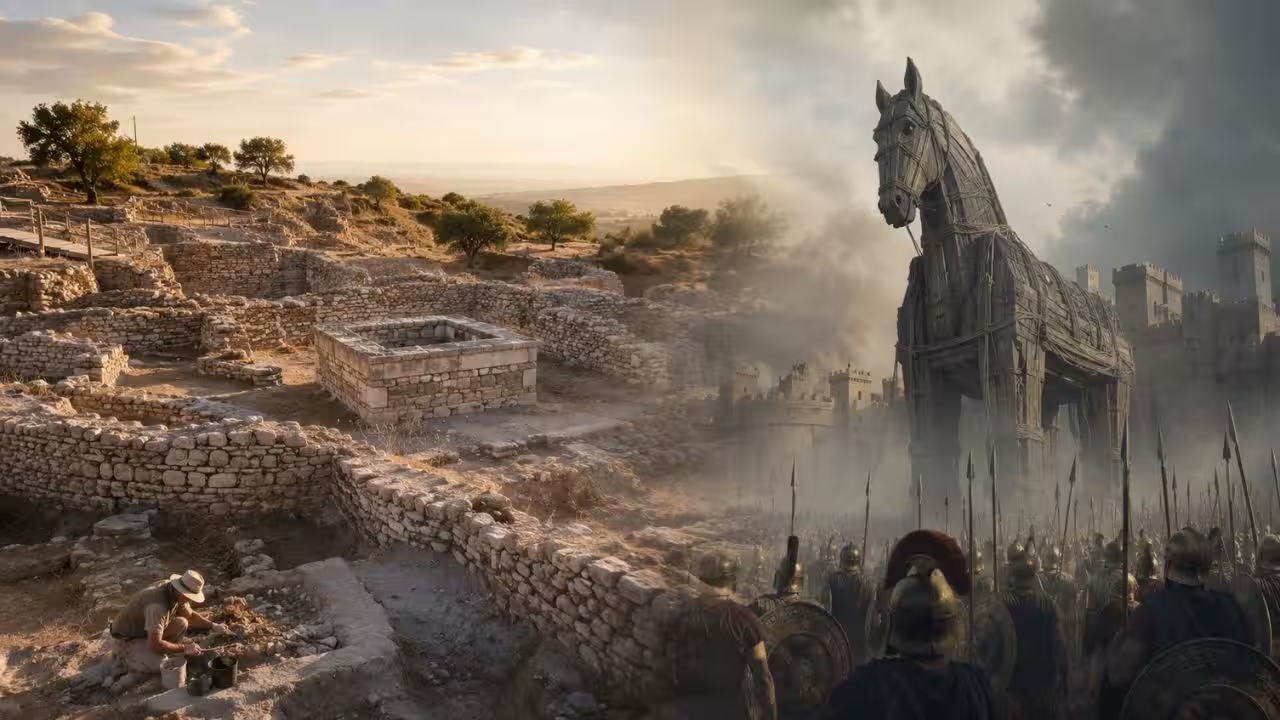
image AI generatedFor centuries, the Trojan War has stood at the crossroads of history and legend. Immortalised in Homer's Iliad, the story tells of Greek warriors, Trojan princes, divine intervention and a decade-long conflict fought over Helen of Troy. While ancient Greeks generally regarded the war as a real event from their distant past, modern scholars have long questioned how much of the tale was based on historical reality.The debate changed dramatically in the nineteenth century when excavations began at Hisarlik, a mound in north-western Turkey. Reportedly, led by German businessman and archaeologist Heinrich Schliemann, the digs revealed that the hill concealed the remains of several ancient settlements built one above another over thousands of years. Archaeologists eventually confirmed that Hisarlik was the site of ancient Troy, proving that the city described in Greek tradition had existed in the real world.How the ancient city of Troy was found on the west coast of modern TurkeyAs per the BBC, for centuries, many people wondered whether Troy was a real place or simply a setting from Greek mythology. The search took a major turn in the late nineteenth century when German businessman and archaeologist Heinrich Schliemann began excavations at Hisarlik, a mound on the west coast of modern Turkey.Beneath the hill, Schliemann uncovered the remains of several ancient settlements built over one another across different periods. Although he initially misdated some of his discoveries, later research confirmed that Hisarlik was indeed the location of ancient Troy. Today, most historians agree that Troy was a real city rather than an entirely fictional creation.Archaeological discoveries that linked Troy to the Bronze Age worldThe excavation of Hisarlik transformed the debate surrounding the Trojan War. Rather than asking whether Troy existed, scholars began examining whether a real conflict might have inspired the legendary story.Archaeologists uncovered evidence showing that Troy was occupied during the Late Bronze Age, the period traditionally associated with the Trojan War. The discoveries revealed a genuine city that formed part of the wider Bronze Age world described in ancient traditions.However, the existence of Troy does not automatically prove the events described in Homer's Iliad. The poem was composed centuries after the supposed conflict and combines historical memories with mythology and storytelling.What fire damage and arrowheads reveal about ancient TroyAccording to the BBC, some of the strongest archaeological clues come from evidence of destruction found at Hisarlik. Researchers discovered traces of fire and a small number of arrowheads in layers dating to roughly the same period traditionally linked to the Trojan War.These findings suggest that violence may have occurred at the site, but they fall far short of proving Homer's account. Cities in the ancient world could be damaged by warfare, raids, accidents or other causes.While the evidence does not confirm a ten-year siege, it does indicate that Troy experienced a disruptive event during the Late Bronze Age, keeping alive the possibility that memories of a real conflict survived in later legends.The Hittite kingdom, Wilusa and the search for historical TroyAnother important clue comes from the Hittites, a powerful civilisation based in central Anatolia. Surviving Hittite inscriptions refer to a place called Wilusa, which many scholars believe was Troy.As per the BBC, the texts describe disputes involving Wilusa and neighbouring powers, suggesting that the region experienced political tensions during the Bronze Age. Although the inscriptions contain no references to Helen, Achilles or the Trojan Horse, they provide independent evidence that Troy existed within a landscape of real political rivalries.For those who believe there may have been a historical conflict behind the legend, the Hittite records offer some of the most intriguing supporting evidence.How history and myth became intertwined in the story of TroyEven if the Trojan War was inspired by real events, historians believe it would have looked very different from the epic conflict described by Homer. Archaeological evidence suggests that Troy was far smaller than the vast city imagined in later retellings, making a decade-long siege by enormous armies difficult to envision.The lasting appeal of the story may lie not in its historical accuracy but in its portrayal of timeless human experiences. Homer's poems explore courage, loss, revenge, loyalty and the brutal realities of war, themes that continue to resonate thousands of years later.Archaeology has confirmed that Troy was real and has uncovered hints of conflict, but it has not provided definitive proof of the war described in the Iliad. As a result, the Trojan War remains one of history's most fascinating intersections of fact and myth.
Archaeologists found a real ancient city in Turkey that may have inspired the story of Troy, but there is still no proof that the Trojan War happened
For centuries, the Trojan War has stood at the crossroads of history and legend. Immortalised in Homer's Iliad, the story tells of Greek warriors, Trojan princes, divine intervention and a decade-long conflict fought over Helen of Troy.
744 words~3 min read