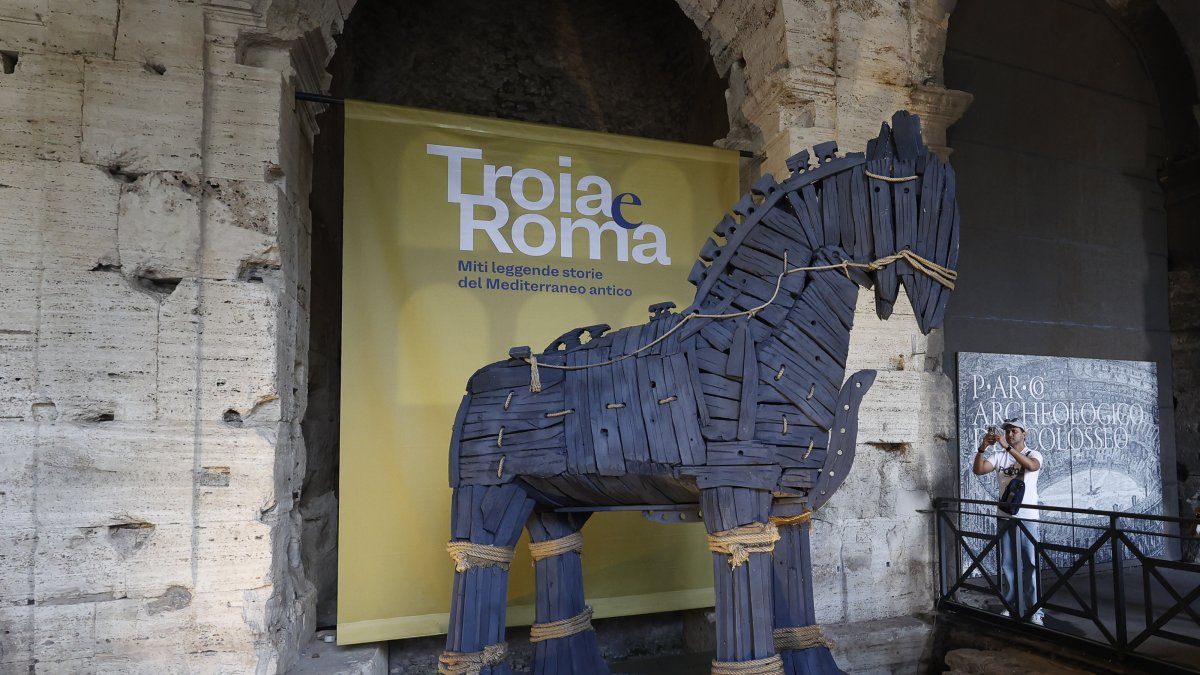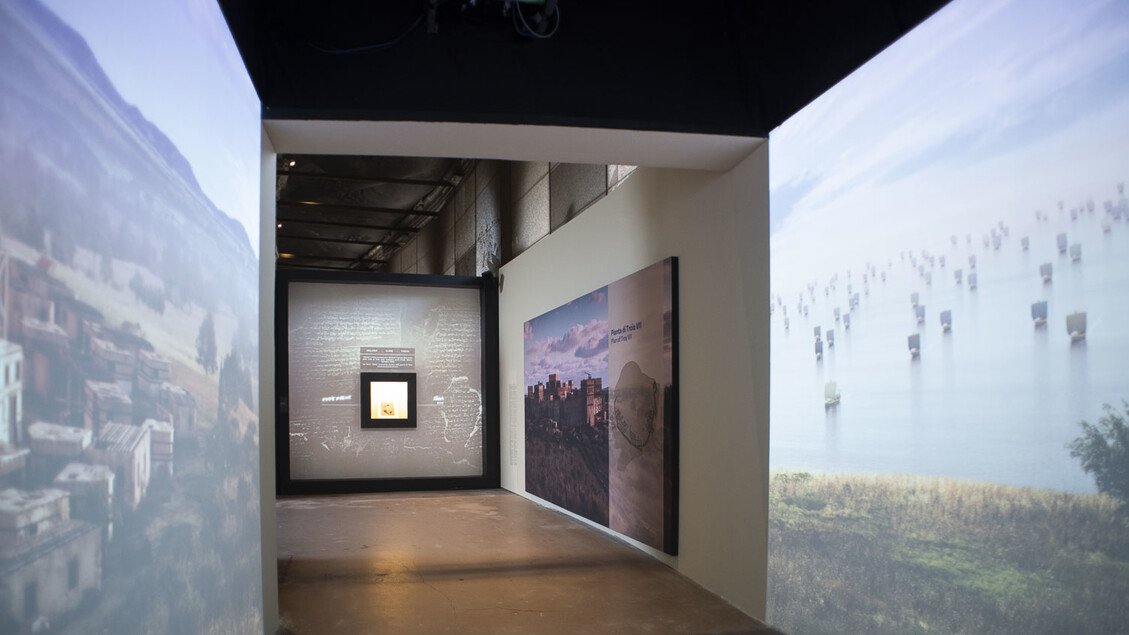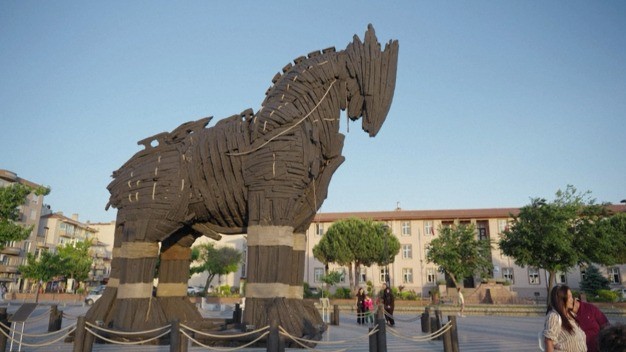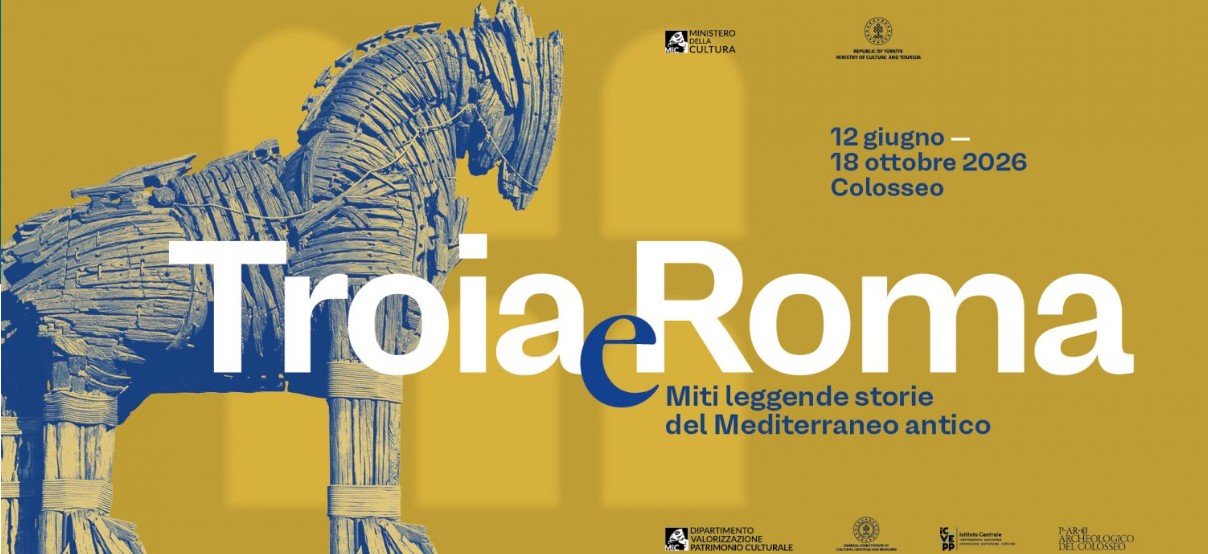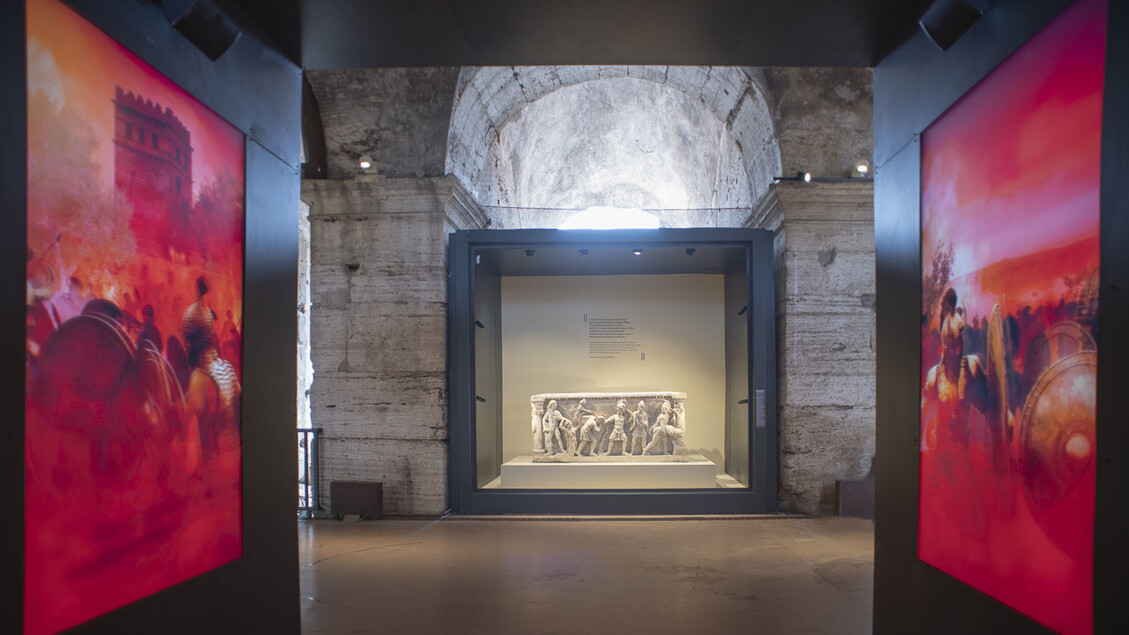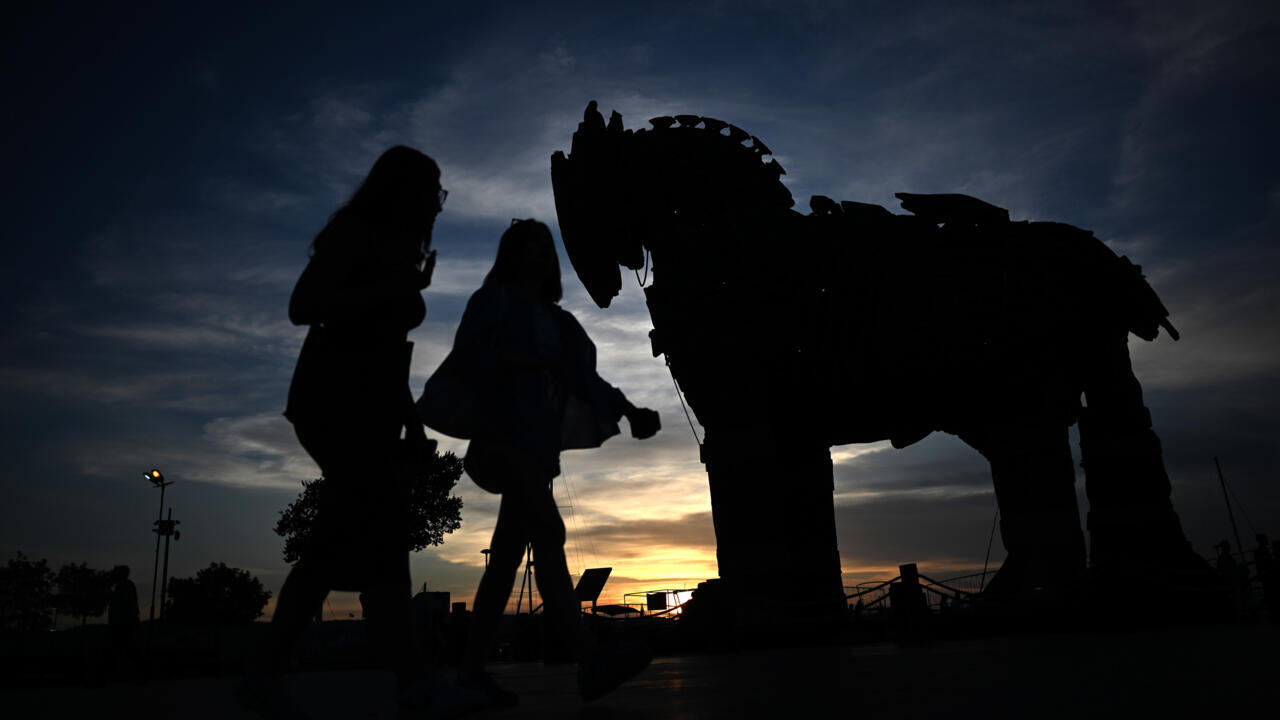
First related by Homer, then retold for the silver screen in 2004, with Brad Pitt as Achilles, the legend of the ancient city travels to Rome's Colosseum this week, where a major new exhibition opens on Friday.Keen to showcase the city's Anatolian roots, Turkey has loaned out more than 220 artefacts that will be on show at the exhibition, "Troy and Rome", which runs until mid-October."When you read Homer, you don't get a very clear idea of the Trojans' identity. But at the time of the Trojan War, they were certainly among the Anatolian peoples," said Reyhan Korpe, deputy head of the Troy excavations and an ancient history expert at Canakkale University.Located on Turkey's Aegean coastline, the remains of Troy are a UNESCO-listed World Heritage site comprising 185 hectares (457 acres) of stones and crumbling ramparts dotted with poppies and scampering squirrels.For 30 years, Korpe has walked every inch of this huge site, whose layers tell the story of nine different settlements, the remains of their ramparts intertwined and layered on top of one another.Western flank of the east
The ruins at Troy tell the story of nine different settlements at the site, their crumbling ramparts and walls intertwined and layered on top of each other © Ozan KOSE / AFP