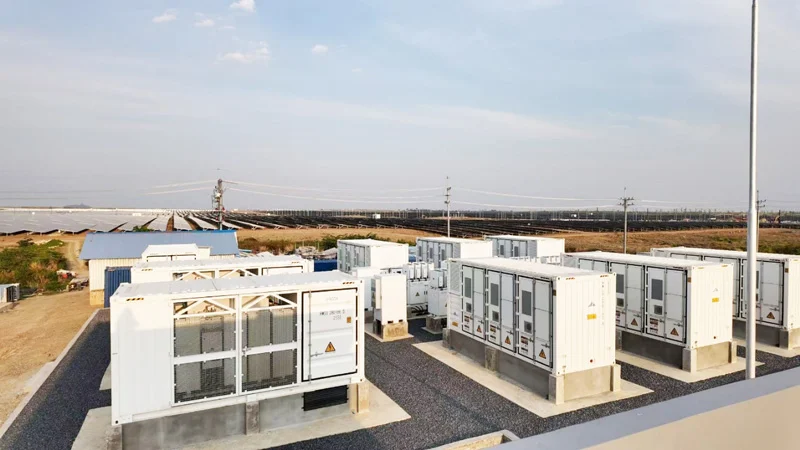
Thailand has lagged behind other ASEAN countries in its deployment of utility-scale battery energy storage systems (BESS). The Philippines for example allows revenue stacking from electricity trading and ancillary services. Malaysia just completed a first tender for 400MW/1,600MWh across four projects. Vietnam meanwhile has recently developed a two-part electricity tariff structure for BESS.
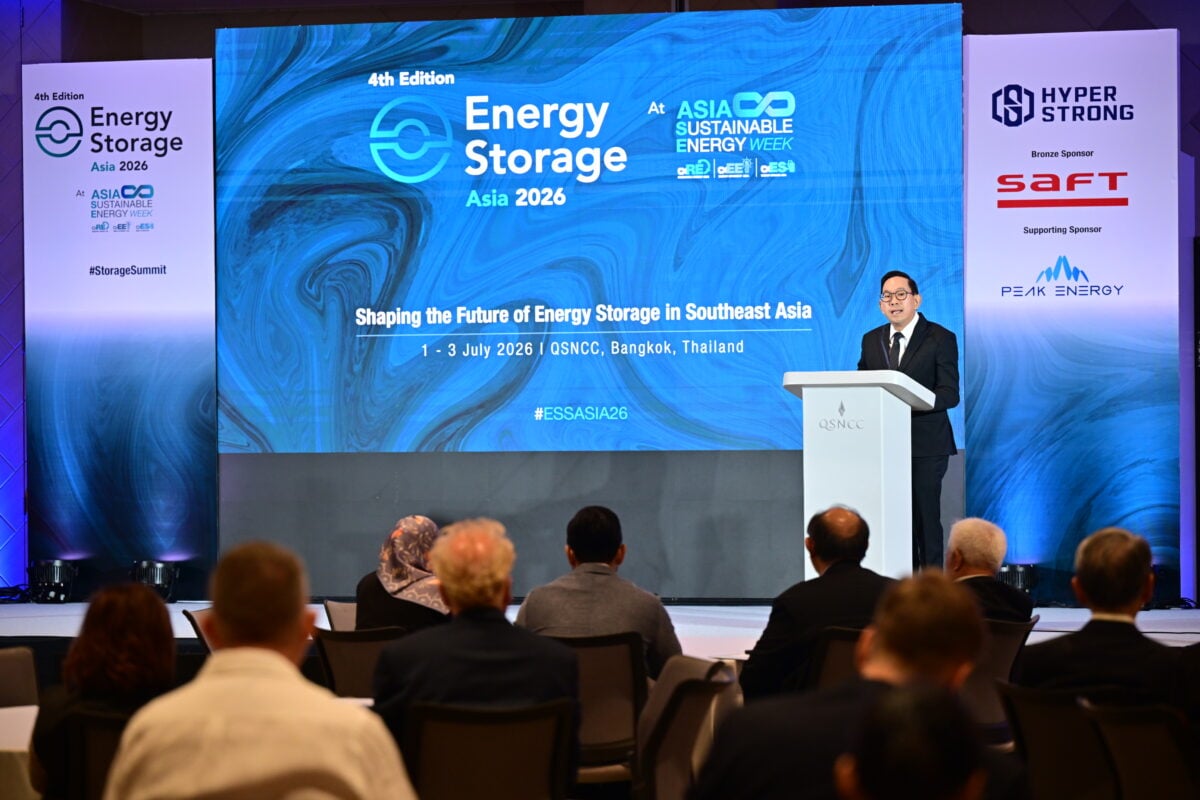
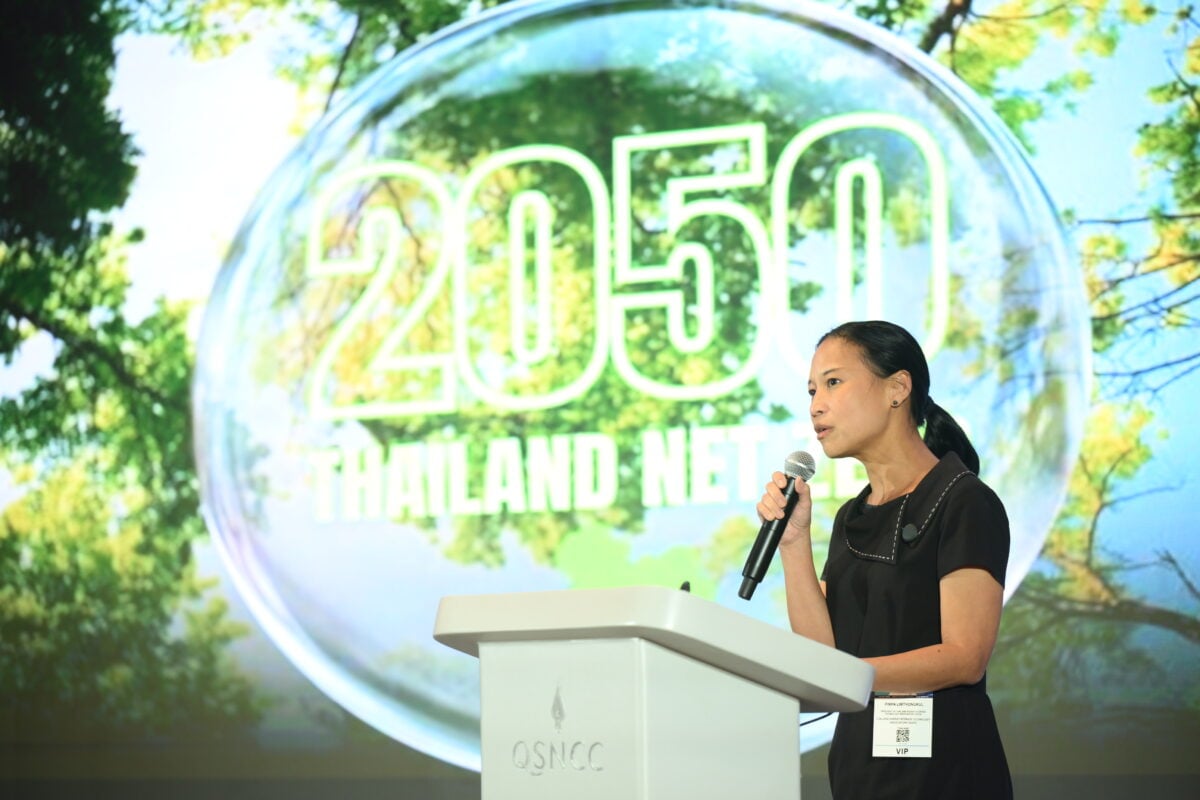
There are “so many regulatory reforms that are needed,” Limthongkul said, when asked what should be done to improve the bankability of energy storage projects.
Thailand has a single-buyer model electricity sector, with the state-owned Electricity Generating Authority of Thailand (EGAT) responsible for bulk power generation and transmission.
The country has been very successful so far in bringing electricity to the whole country and selling it at a single unified price, irrespective of system or generation costs. Now that the task of delivering electricity at an “affordable price” has been achieved, Thailand can push into a new transition, towards higher shares of renewable energy, lessened environmental impact and increased sustainability of the energy sector and better energy security, Limthongkul said.