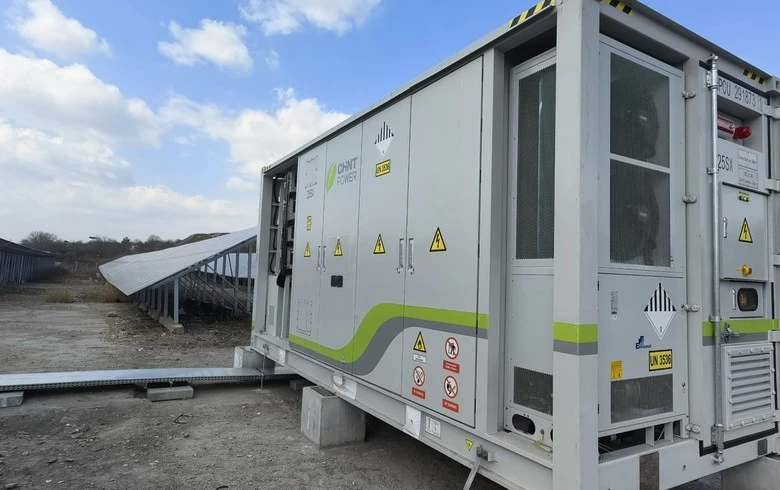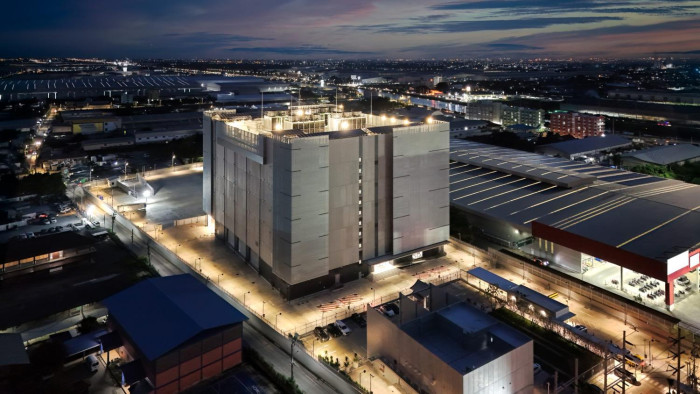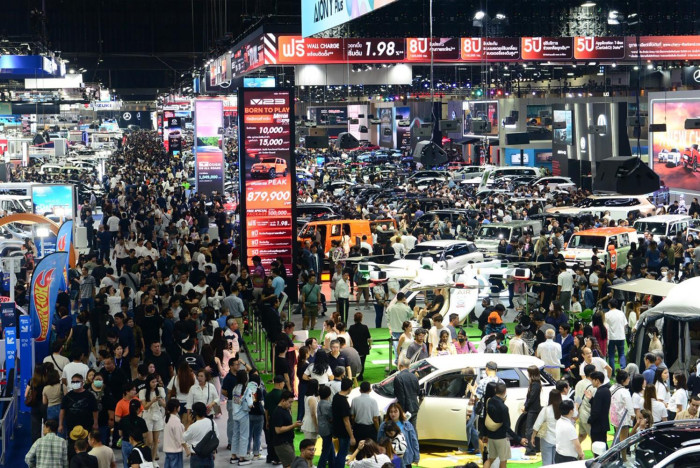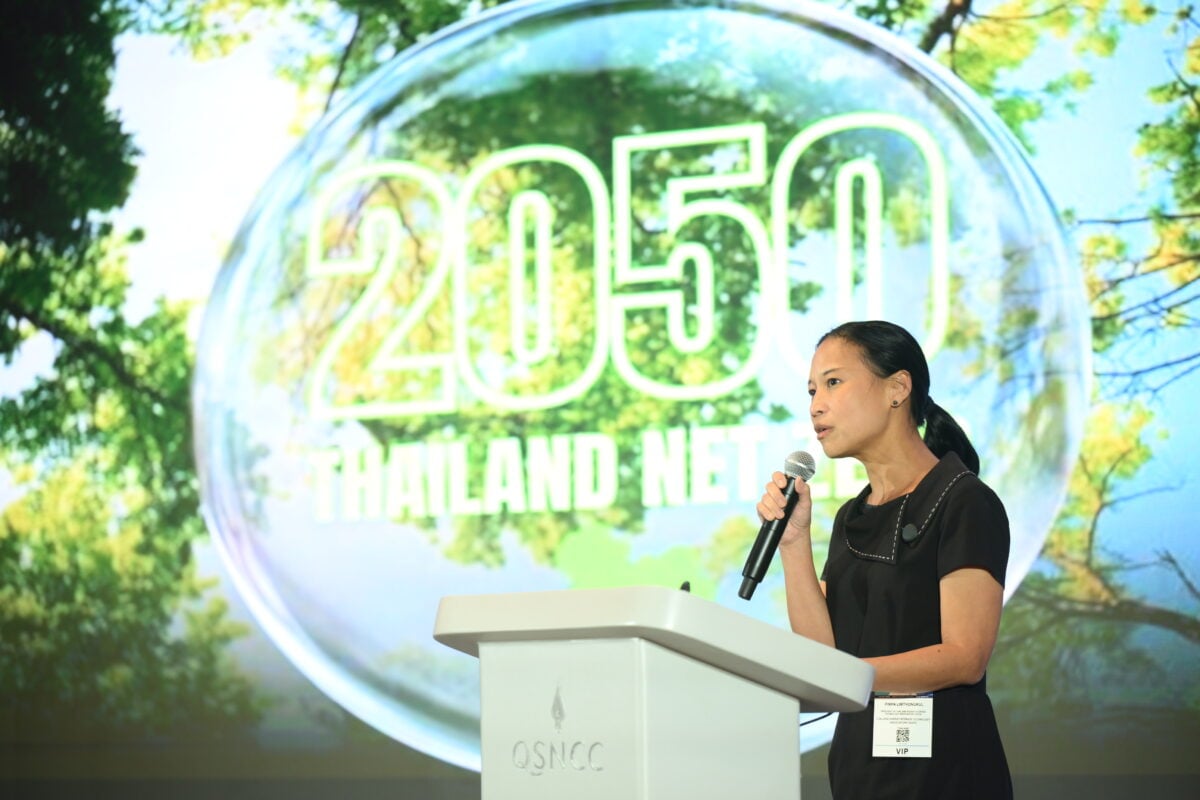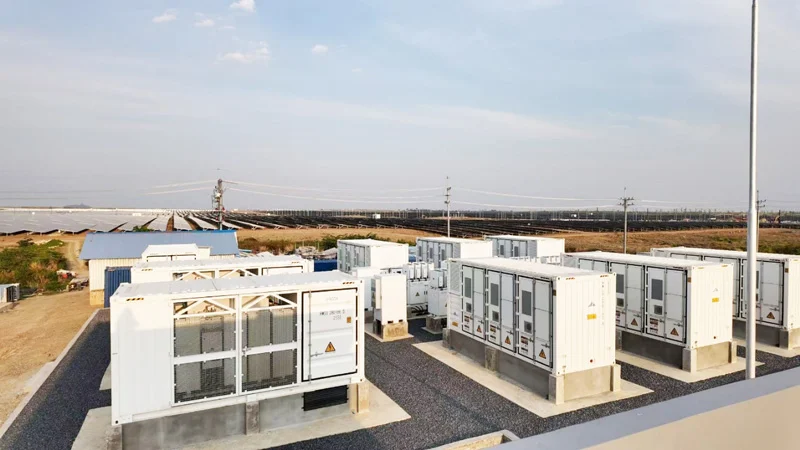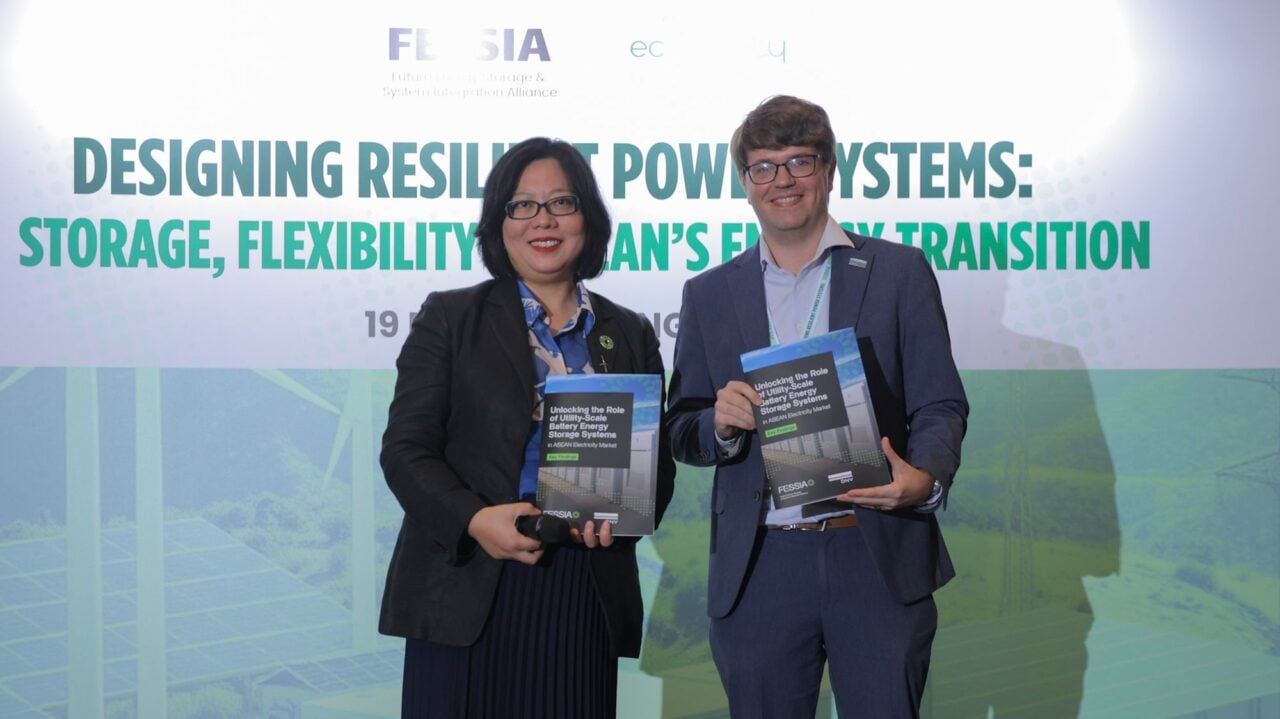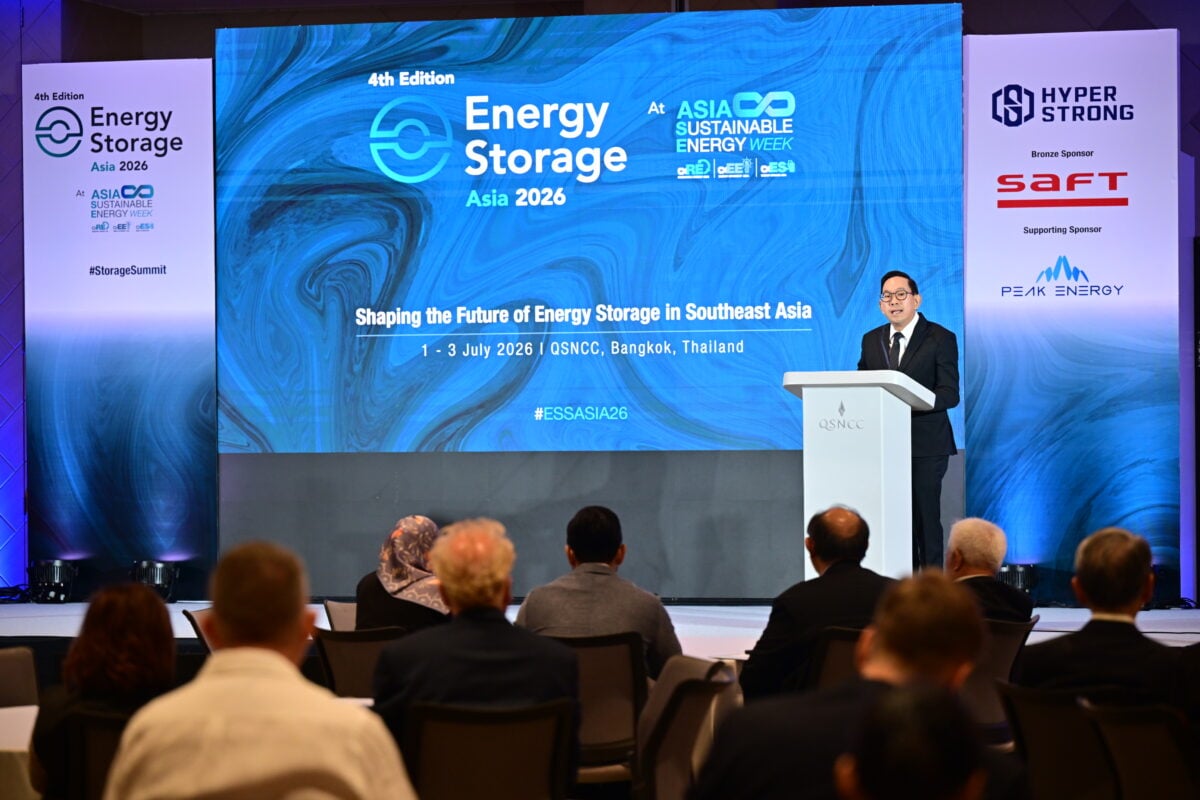
Energy storage development in the country has been limited, at least for large-scale battery energy storage system (BESS) projects. The Asia Sustainable Energy Week (ASEW) expo in the Thai capital, Bangkok, was the host event for this year’s summit.
The ASEW expo floor had no shortage of battery storage suppliers catering for the local market. However, nearly all offerings were aimed at the residential, commercial and industrial (C&I) market segments.
According to figures cited by the Asian Development Bank (ADB), as of the end of 2024, Thailand had just three utility-scale solar-plus-storage projects pairing 184MW of solar PV generation with 345MWh of BESS capacity, and no standalone BESS projects. These were deployed through a 2022 programme aimed at supporting a gigawatt of co-located projects.
Thailand’s energy demand is growing rapidly, and its renewable energy market is relatively mature compared to other ASEAN countries, but the development of policies to support energy storage participation has lagged, Solar Media Market Research analyst Charlotte Gisbourne wrote in a March Guest Blog for Energy-Storage.news.
The Philippines and Vietnam are further ahead in accelerating the adoption of battery storage through new revenue frameworks that could allow for value stacking and tender programmes, for example.