in History, Literature | July 16th, 2026 Leave a Comment
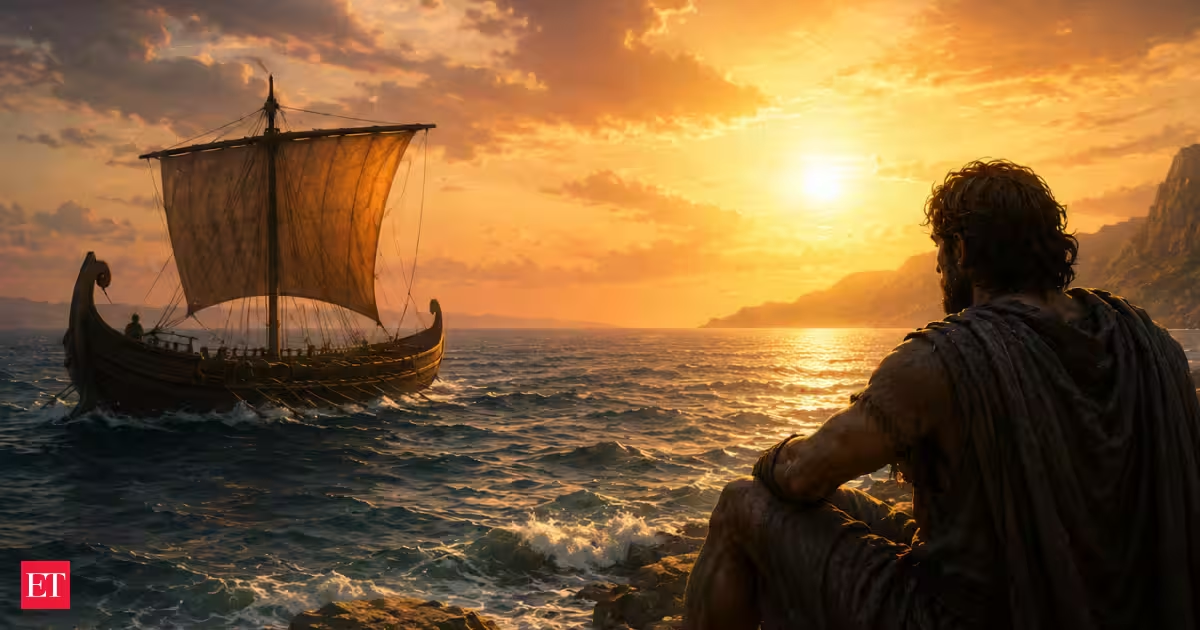
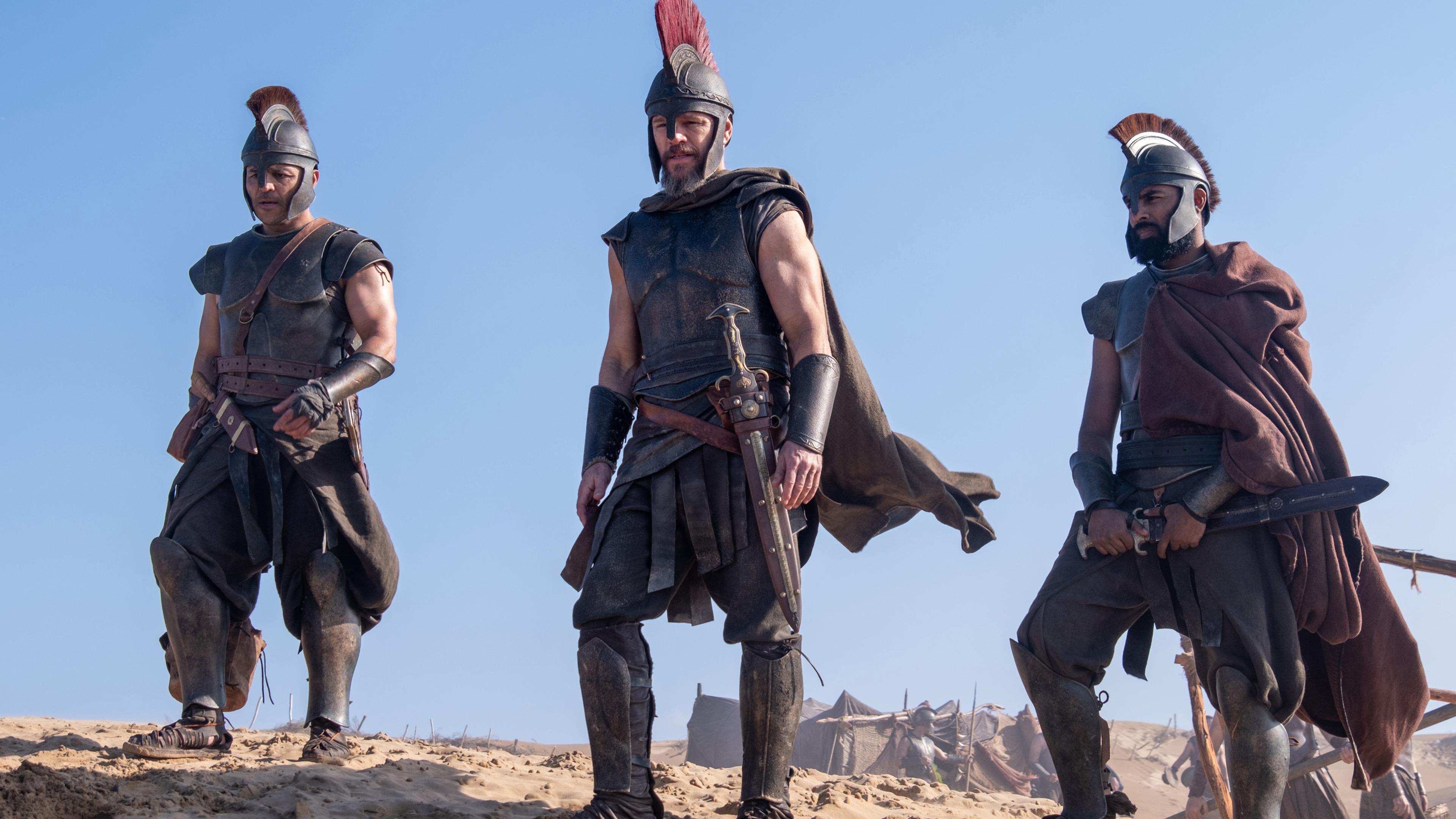
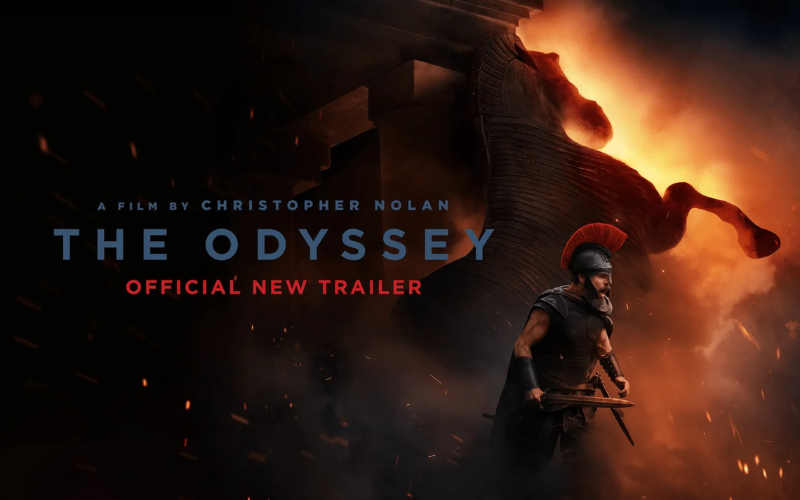
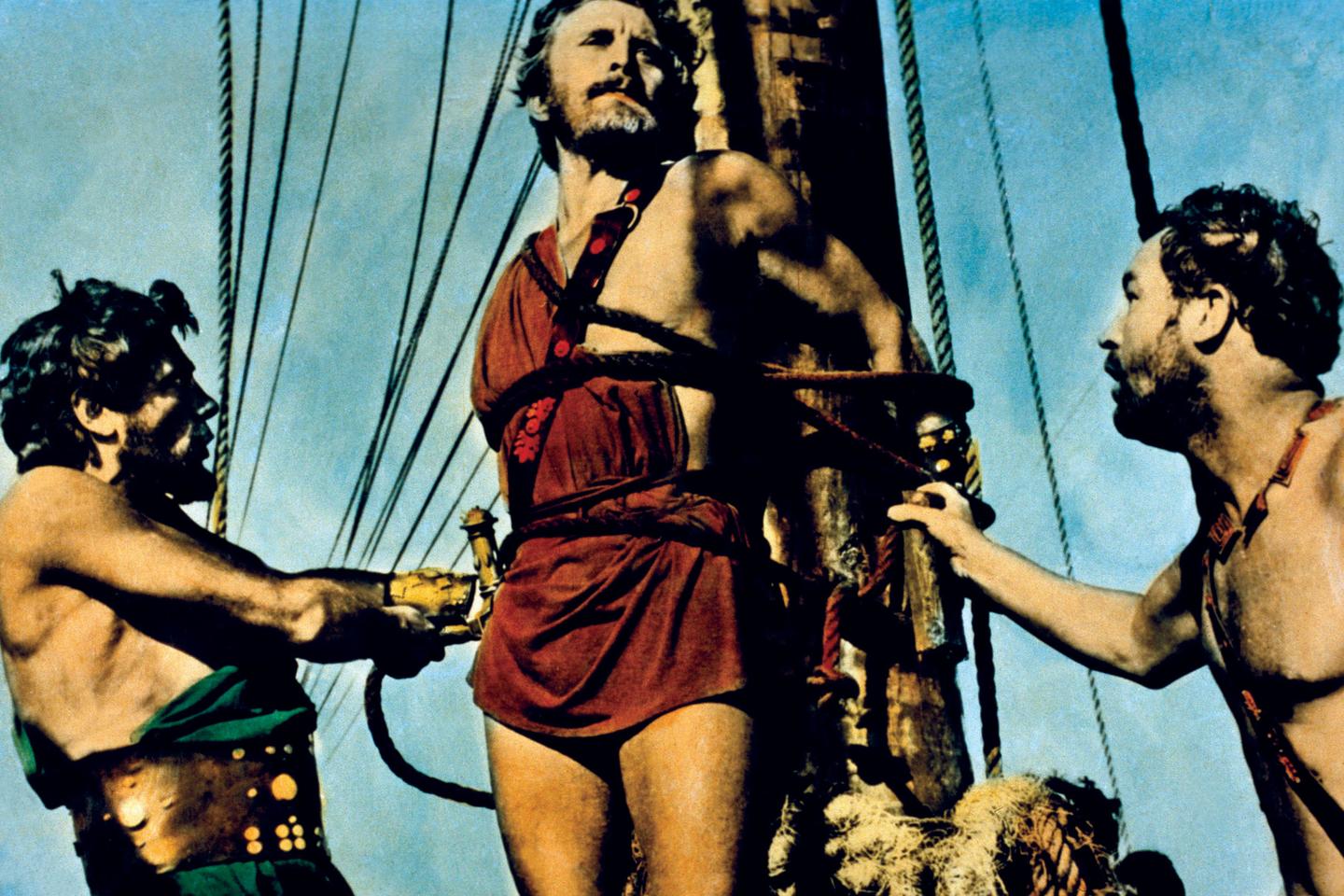
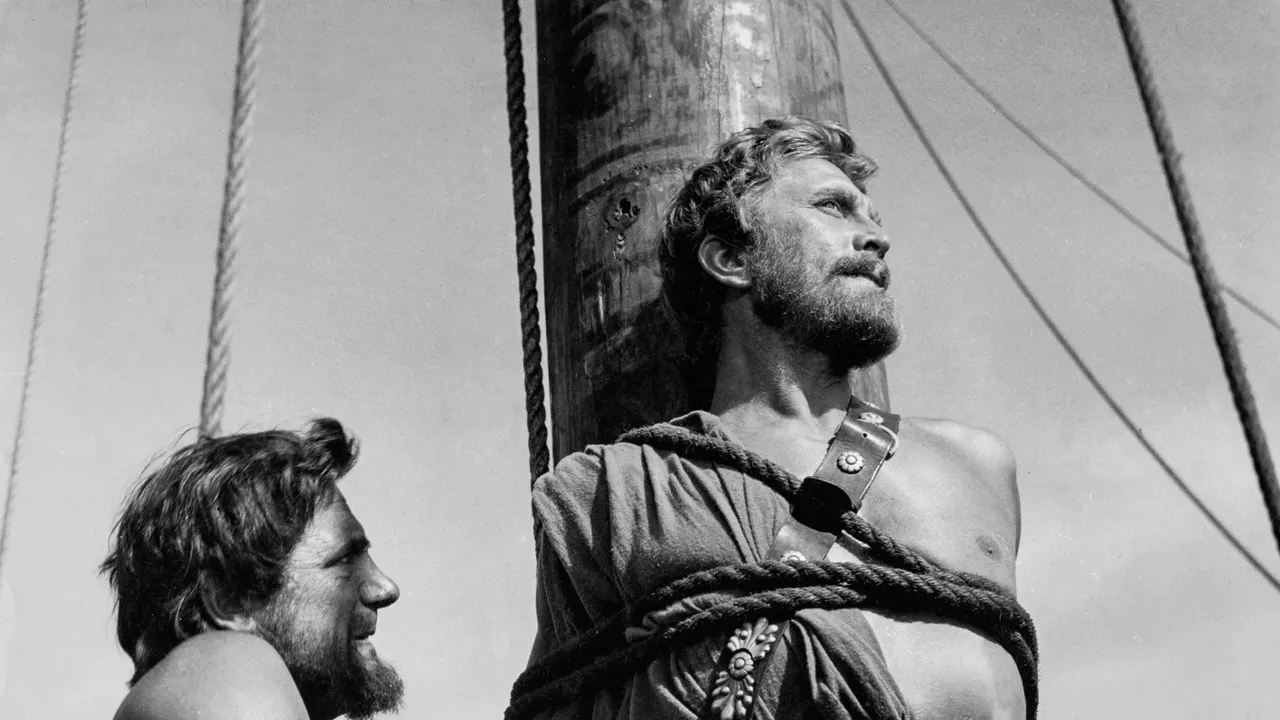
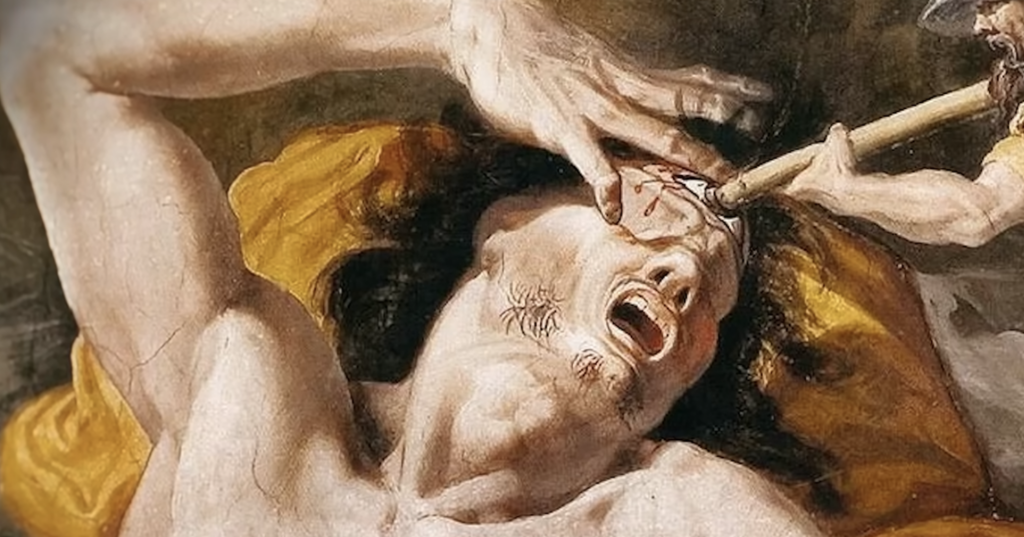
Despite having been composed about two and a half millennia before the invention of cinema, Homer’s Odyssey has offered tempting material to generation after generation of filmmakers. Part of the appeal is, of course, the work’s age, which obviates the need for potentially frustrating rights negotiations. But what really captures a director’s imagination about retelling the story of Odysseus’ long journey back to Ithaca must have a great deal to do with the host of monsters he encounters along the way. The giant cannibal Laestrygonians; the sirens, whose call forces Odysseus to lash himself to the mast of his ship; Scylla and Charybdis, guardians of the Strait of Messina; and perhaps most memorably of all, the towering cyclops Polyphemus.
Many or most of these fearsome characters are familiar to us even if we’ve never read the Odyssey, or indeed seen any of its adaptations. In everyday speech, we invoke the sirens’ call when describing an irresistible temptation, or Scylla and Charybdis when describing any set of equal and opposite pitfalls. And it would be a rare man, woman, or even sufficiently educated child who can’t identify the defining feature of a cyclops.