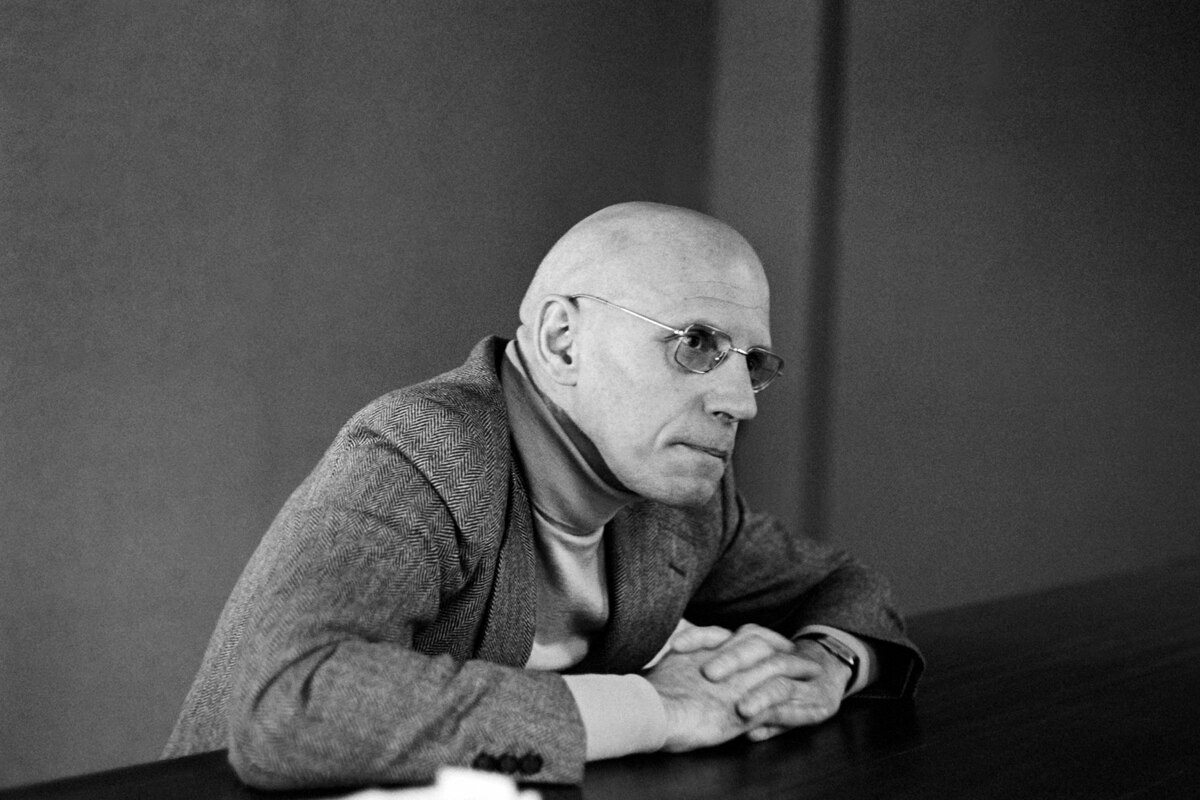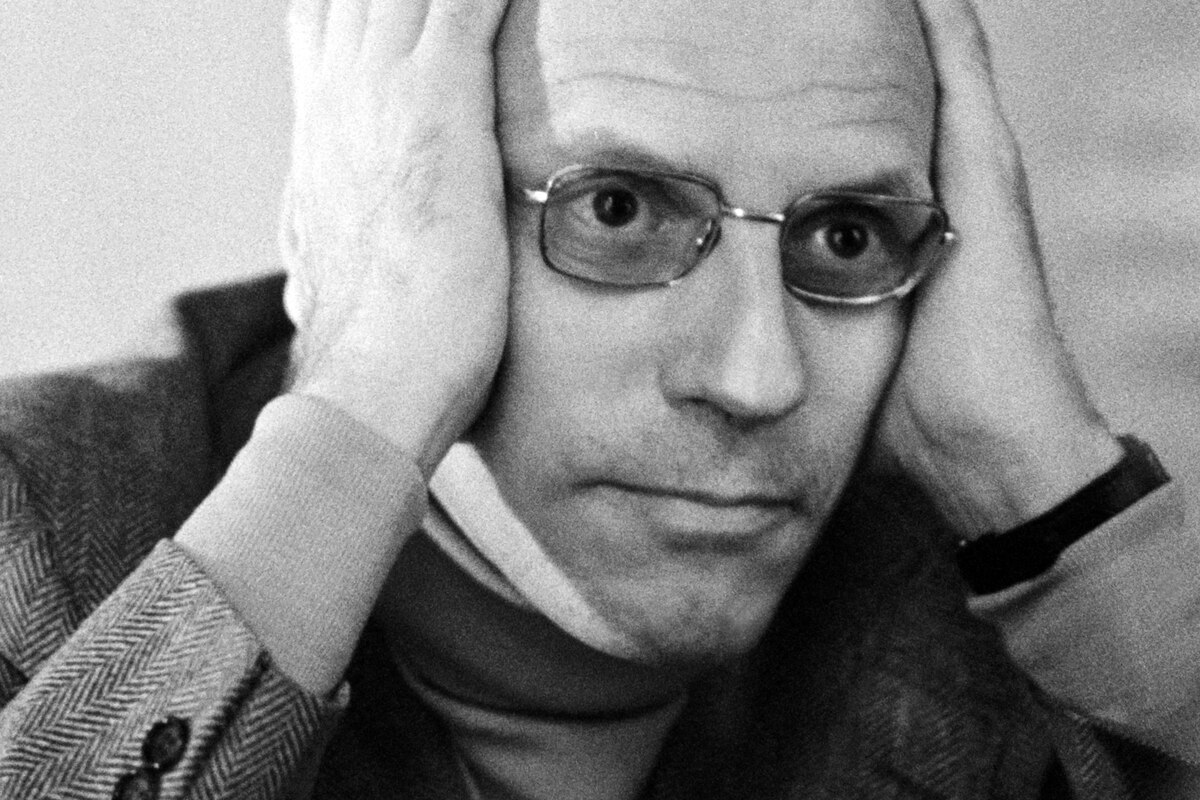
Tucked in the afterward of the second, 1982 edition of Hubert Dreyfus and Paul Rabinow’s Michel Foucault: Beyond Structuralism and Hermeneutics, we find an important, but little-known essay by Foucault himself titled “The Subject and Power.” Here, the French theorist offers what he construes as a summary of his life’s work: spanning 1961’s Madness and Civilization up to his three-volume, unfinished History of Sexuality, still in progress at the time of his death in 1984. He begins by telling us that he has not been, primarily, concerned with power, despite the word’s appearance in his essay’s title, its arguments, and in nearly everything else he has written. Instead, he has sought to discover the “modes of objectification which transform human beings into subjects.”
This distinction may seem abstruse, a needlessly wordy matter of semantics. It is not so for Foucault. In this key critical difference lies the originality of his project, in all its various stages of development. “Power,” as an abstraction, an objective relation of dominance, is static and conceptual, the image of a tyrant on a coin, of Thomas Hobbes’ Leviathan seated on his throne.