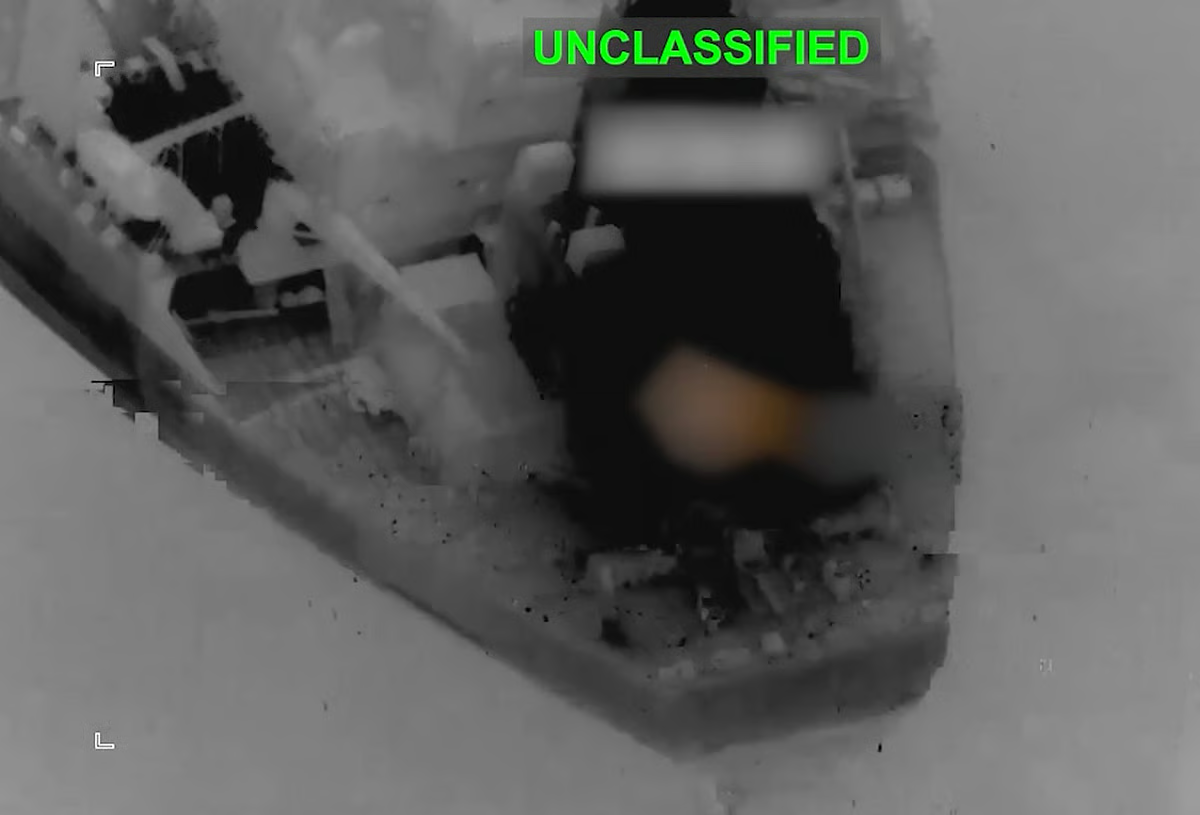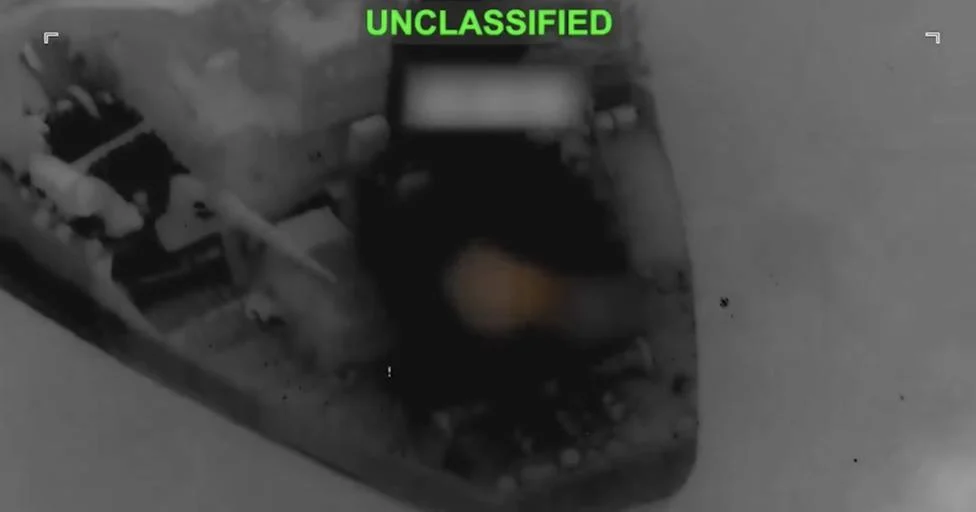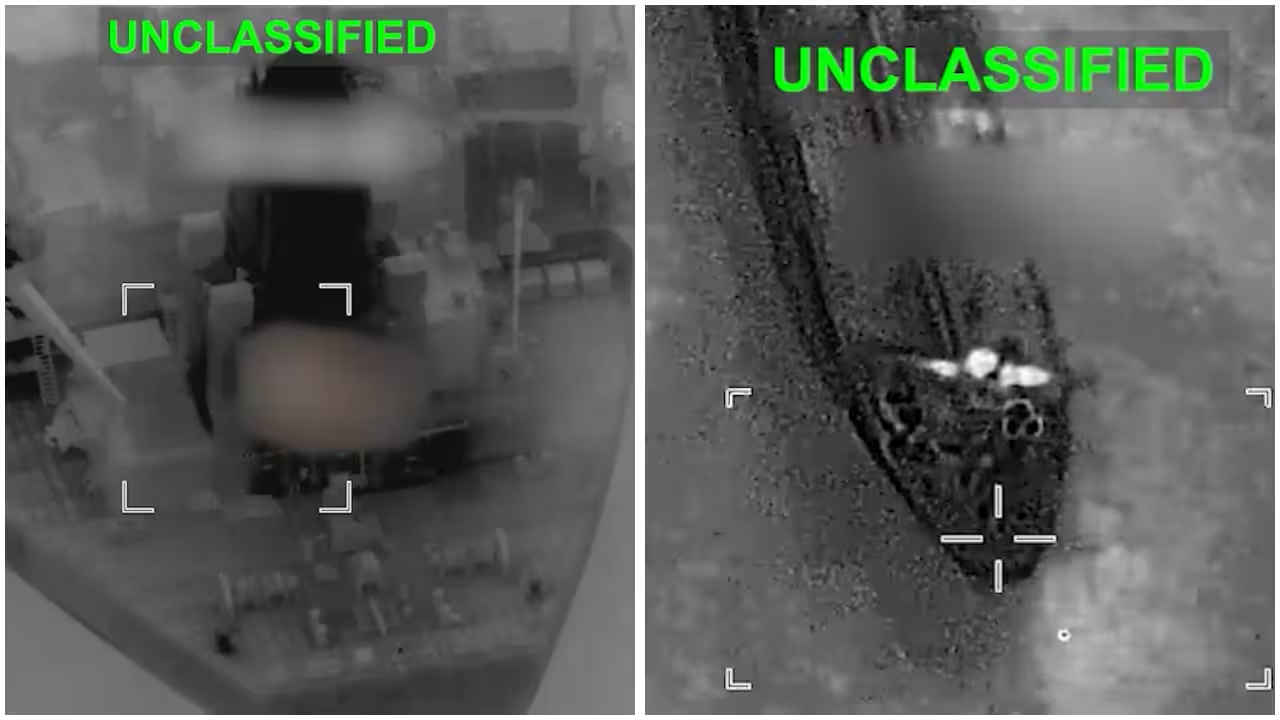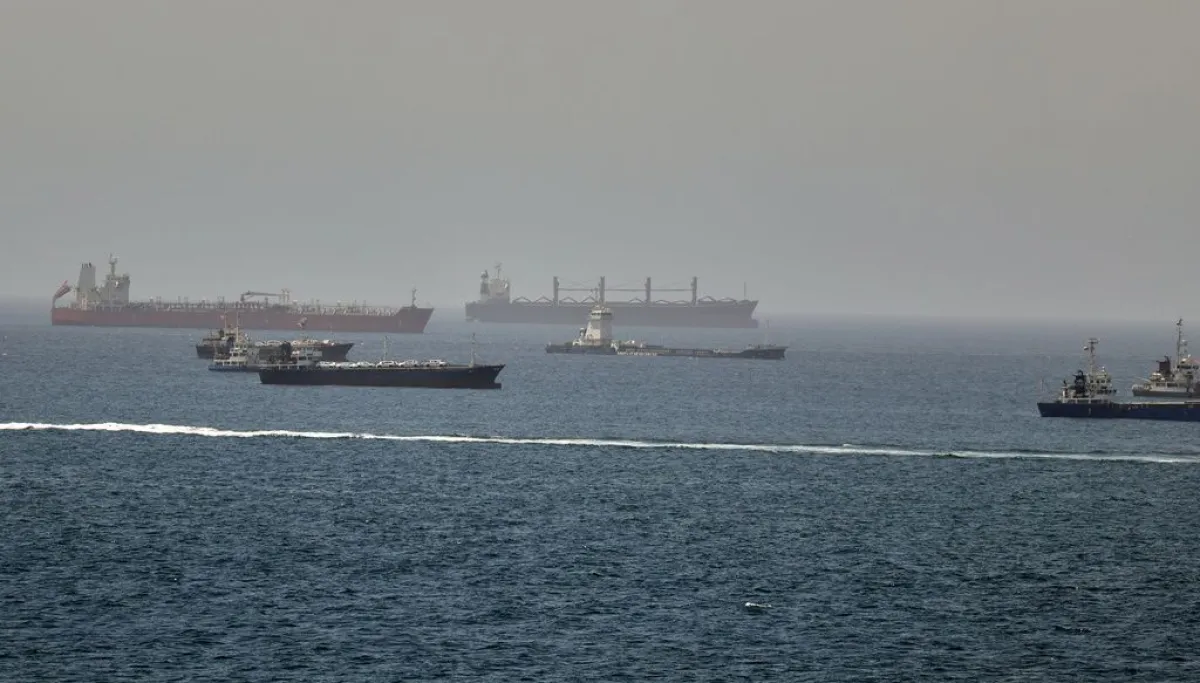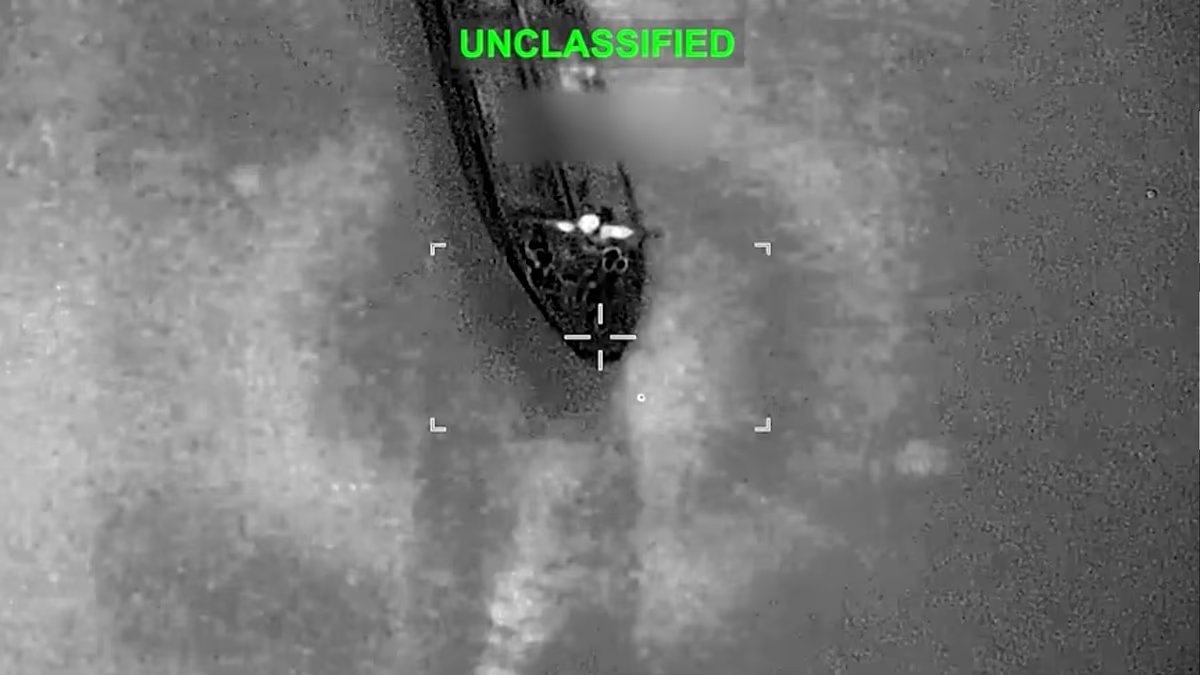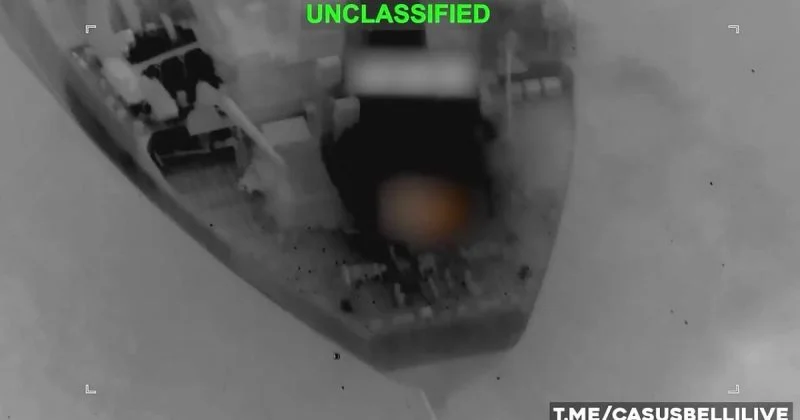
The US Navy sent a very clear message in the Arabian Gulf on July 15, 2026. A very large crude carrier ignored repeated warnings, kept moving toward Iran’s Kharg Island, and ended up on the receiving end of a Hellfire missile. The tanker didn’t sink. That was the point.
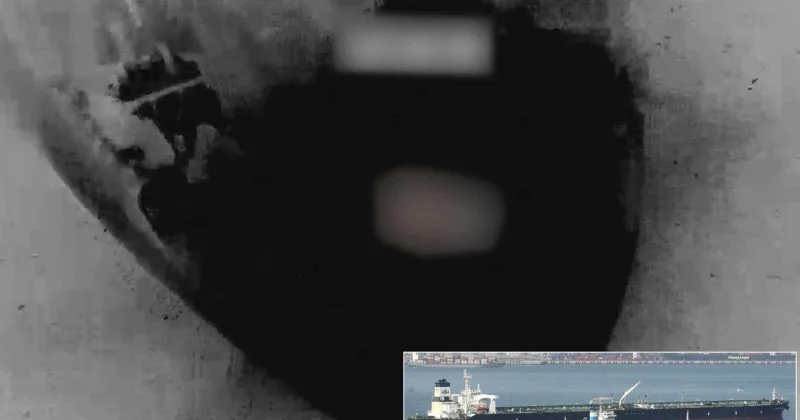
US Central Command confirmed that its forces disabled the Curaçao-flagged oil tanker M/T Belma after the vessel attempted to breach a reinstated American naval blockade targeting Iranian oil exports. The strike targeted the ship’s smokestack, knocking out its engines while leaving the hull intact.
What actually happened
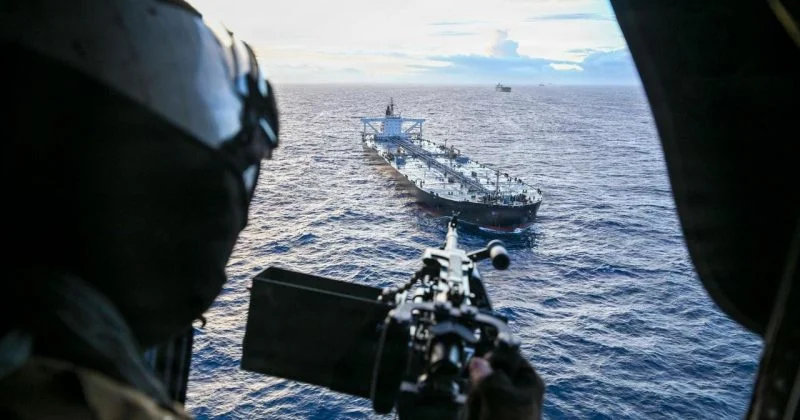
The blockade had only been back in effect for one day when the Belma made its move. The US had reinstated the naval cordon on July 14, 2026, following the collapse of a four-week ceasefire. Two other vessels received warnings and complied, rerouting away from Iranian waters. The Belma did not.
A US aircraft then deployed Hellfire missiles, aiming specifically at the smokestack. For a very large crude carrier with roughly 300,000 deadweight tonnes of capacity, the difference between a precise engine kill and a hull breach is the difference between a controlled enforcement action and an environmental and geopolitical catastrophe.