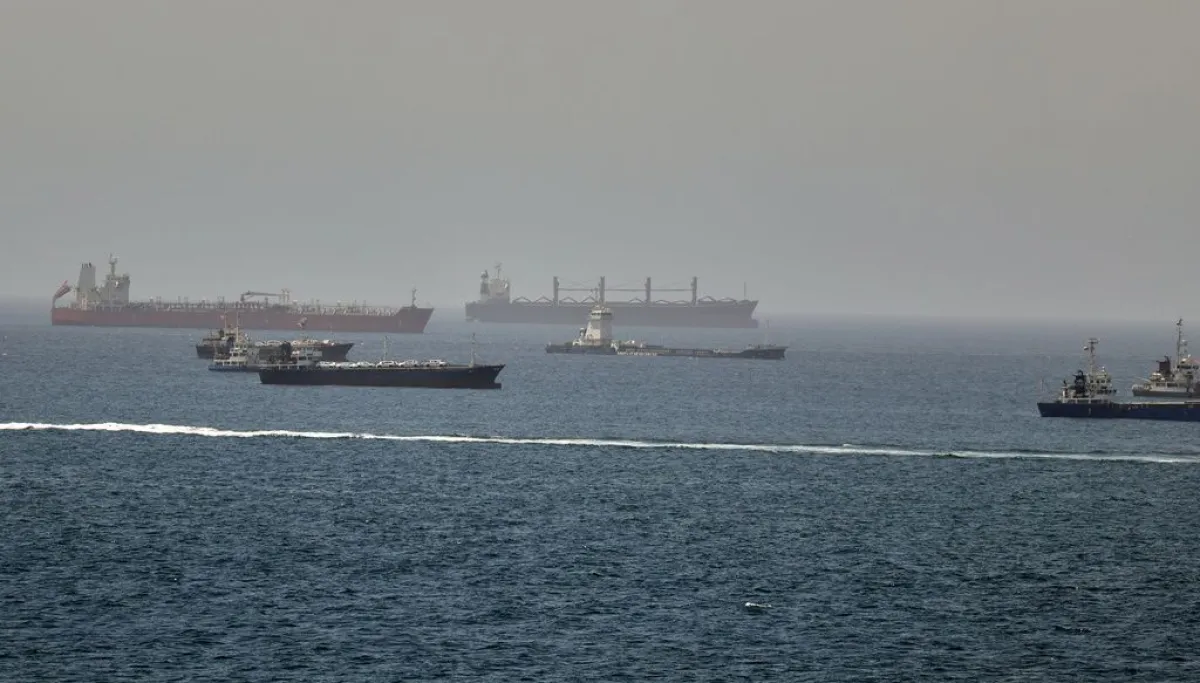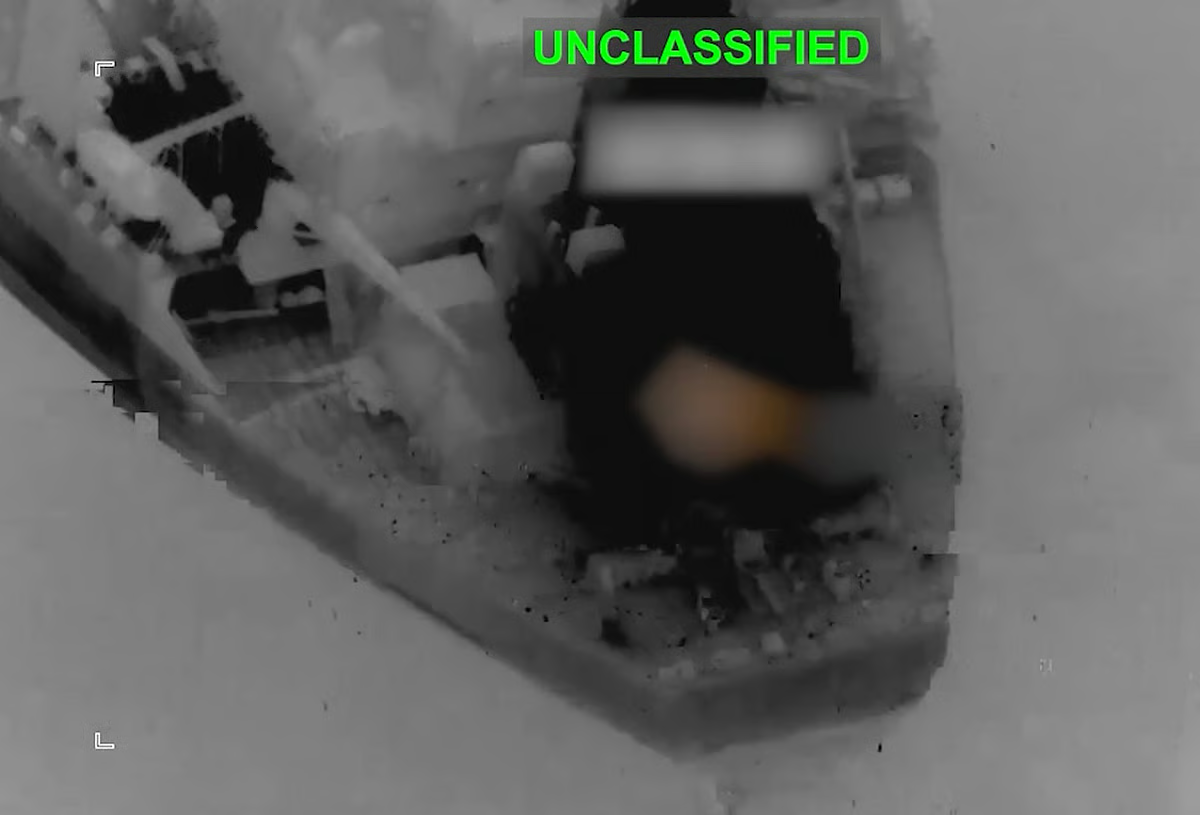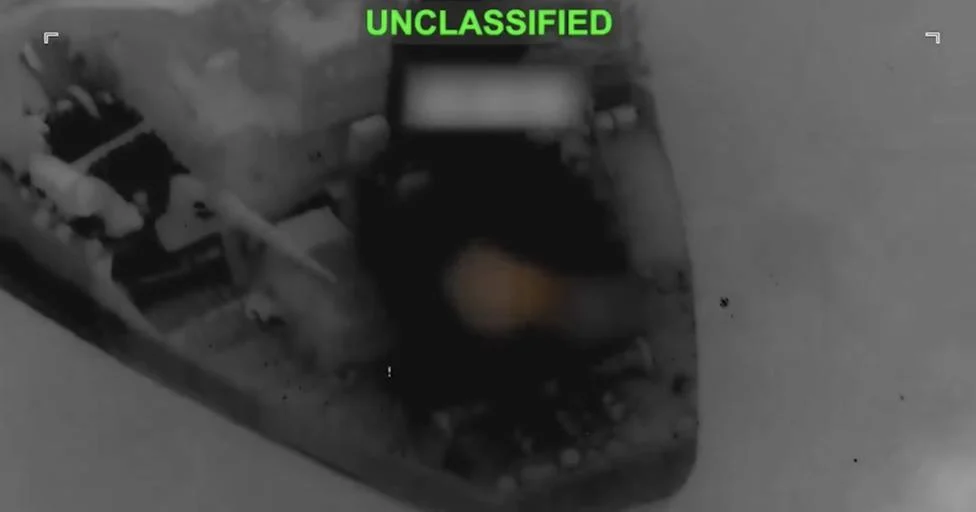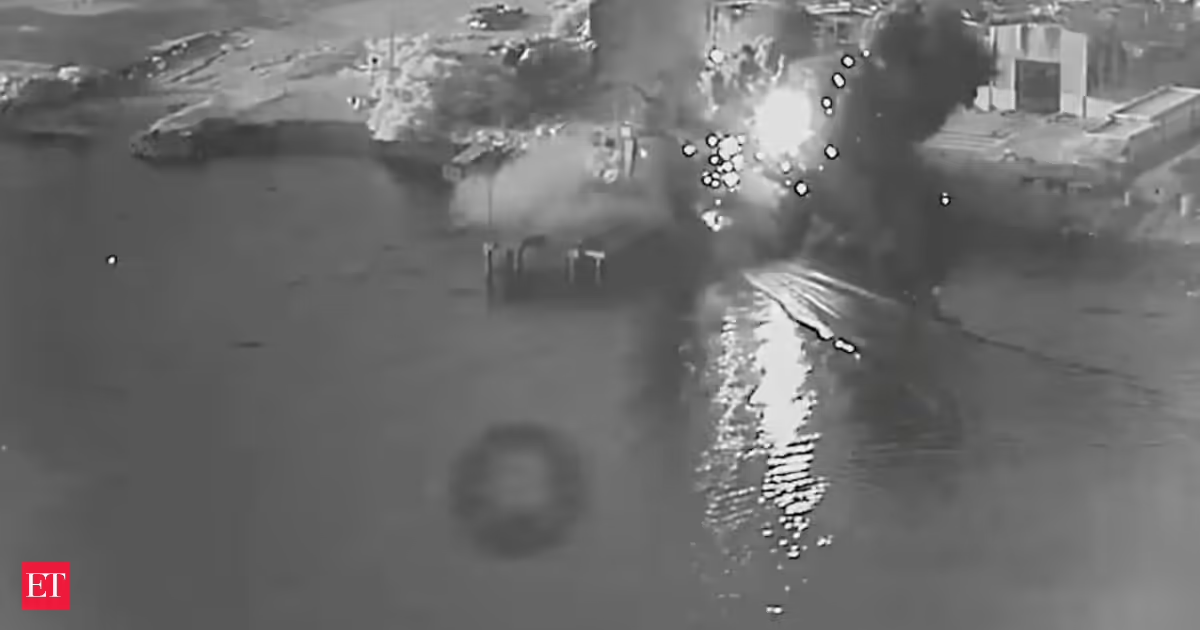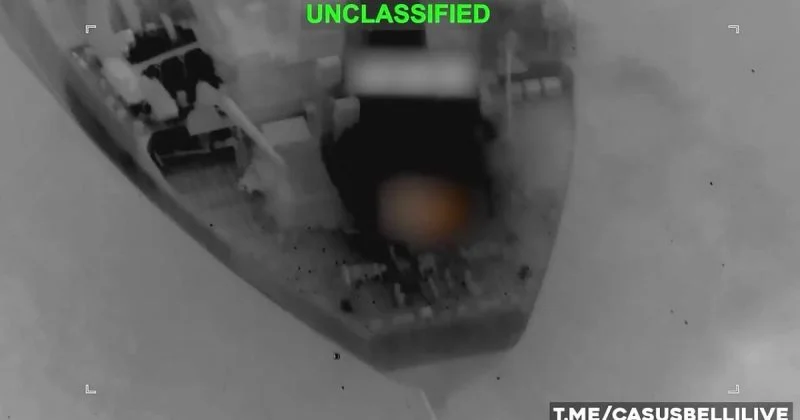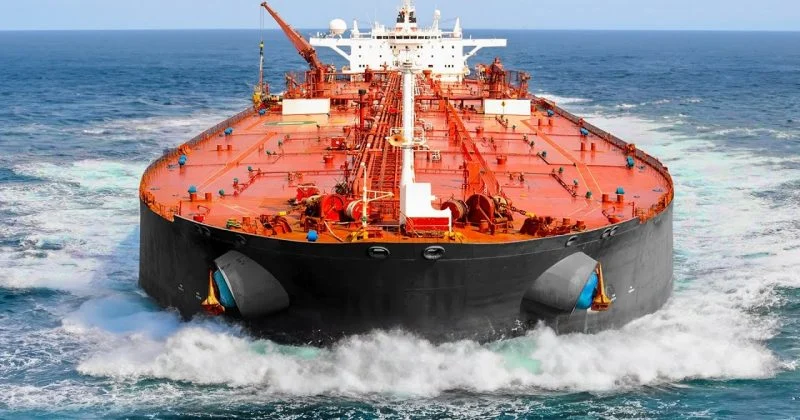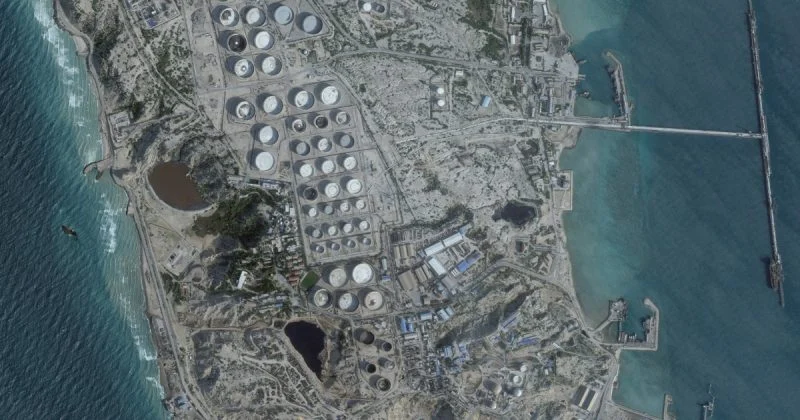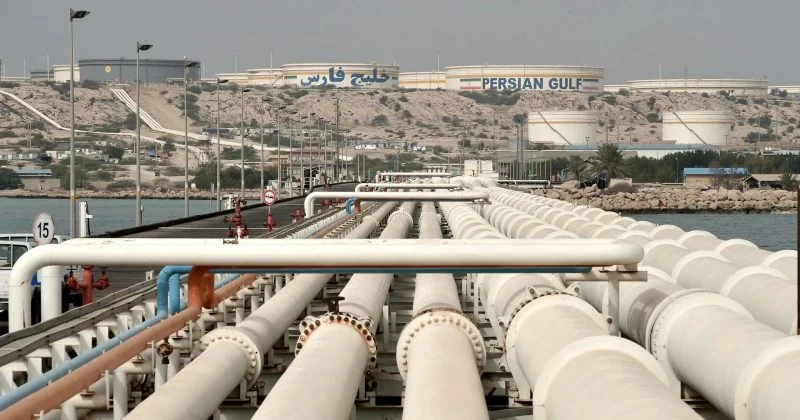
American forces fired Hellfire missiles at a Curaçao-flagged supertanker in the Arabian Gulf on July 15, rendering it inoperable after it ignored repeated warnings while heading toward Iran’s primary oil export terminal. The M/T Belma, a Very Large Crude Carrier stretching 333 meters long with a capacity of roughly 300,000 deadweight tons, becomes the seventh vessel disabled since the US naval blockade of Iranian oil exports began in April 2026.
What happened in the Arabian Gulf
US Central Command resumed its naval blockade against Iranian oil exports on July 14, one day before the Belma incident. The unladen tanker was sailing toward Kharg Island, Iran’s main crude export hub, when it was targeted by a US aircraft.
The Belma is part of what’s known as the “shadow fleet,” a network of aging vessels that operate outside normal shipping channels to move sanctioned crude oil. The ship had already received US sanctions designations for its role in these operations.
On June 8, the Palau-flagged M/T Marivex was similarly disabled. Seven total vessels have now been rendered inoperable since the blockade’s enforcement kicked off in April, representing a steady drumbeat of military action aimed at choking Iran’s oil revenue.