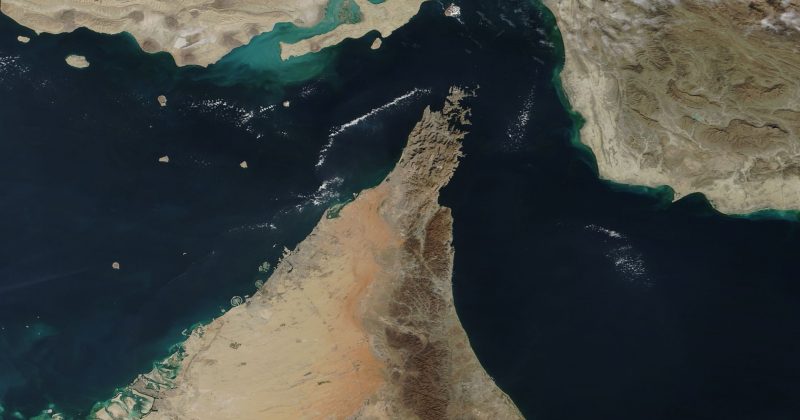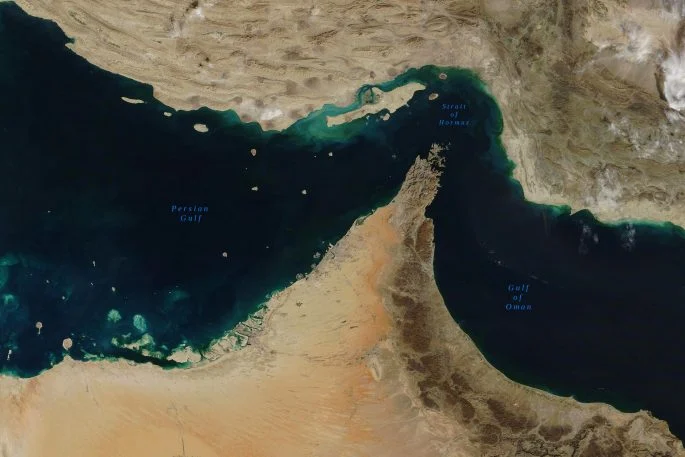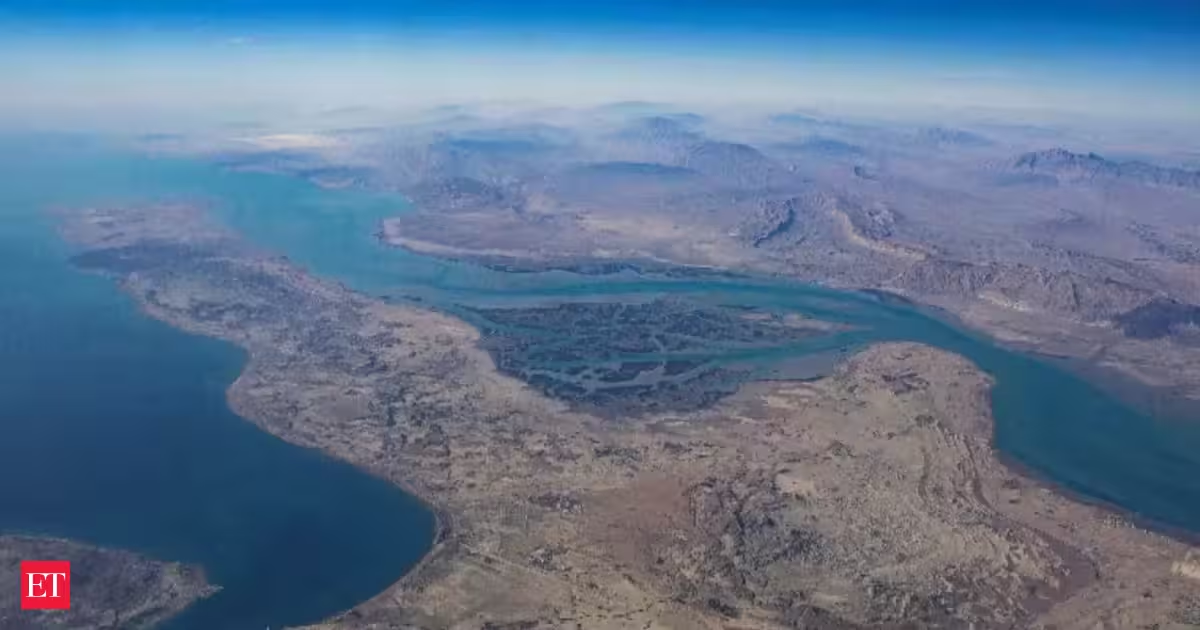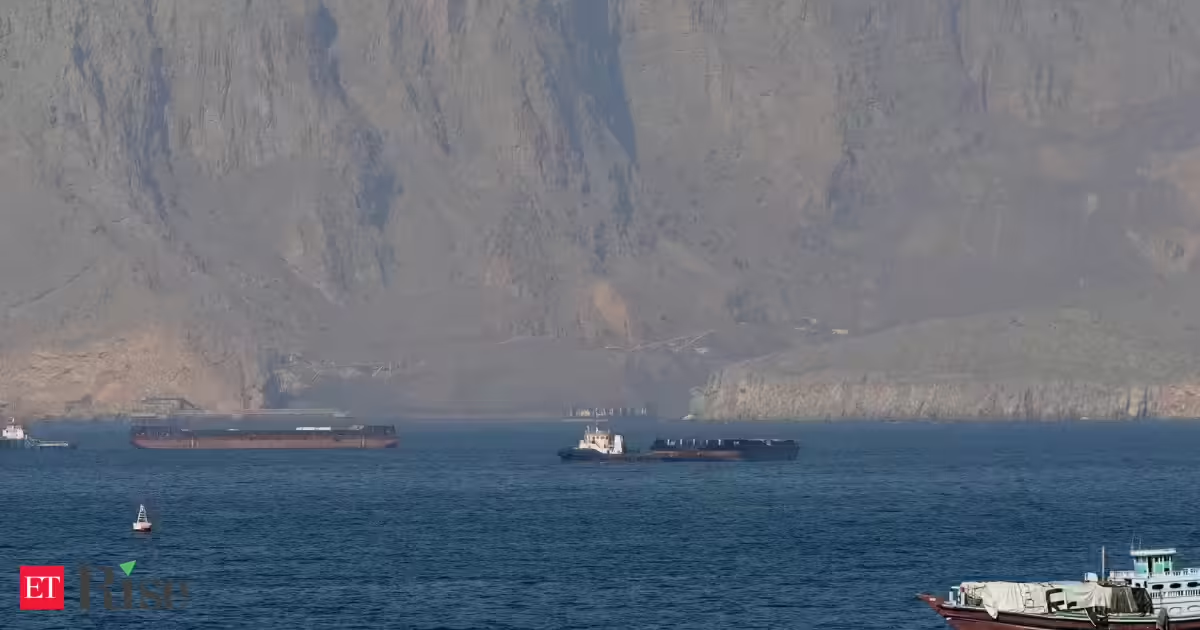
The US forces have disabled the tanker Belma, a Curaçao-flagged vessel, after it attempted to breach the recently reimposed naval blockade against Iran. This incident marks the first commercial vessel targeted since the US resumed its blockade on July 14, following the breakdown of a ceasefire between the US and Iran. The disabling of the tanker, which was transporting Iranian crude oil, appears to be a strategic move by the US to enforce the blockade without escalating into full-scale maritime conflict. This development has already impacted prediction markets concerning the transit of ships through the Strait of Hormuz, with odds suggesting a decrease in the likelihood of high ship transit numbers in the near term.
Key Takeaways
Disabling the Belma suggests heightened enforcement of the US blockade, potentially reducing vessel transit through the Strait of Hormuz.
Market odds for 60 ships transiting the Strait on any day by July 31 have decreased, reflecting pricing consistent with a reduced likelihood of such events.
The use of controlled measures by US forces indicates an intention to enforce the blockade without provoking broader conflict.