At one point, the tour bus carrying representatives of the German Environment Ministry and journalists from the city of Rostock in the German state of Mecklenburg-Western Pomerania to Salzwedel in Saxony-Anhalt traveled through an almost uninhabited area.
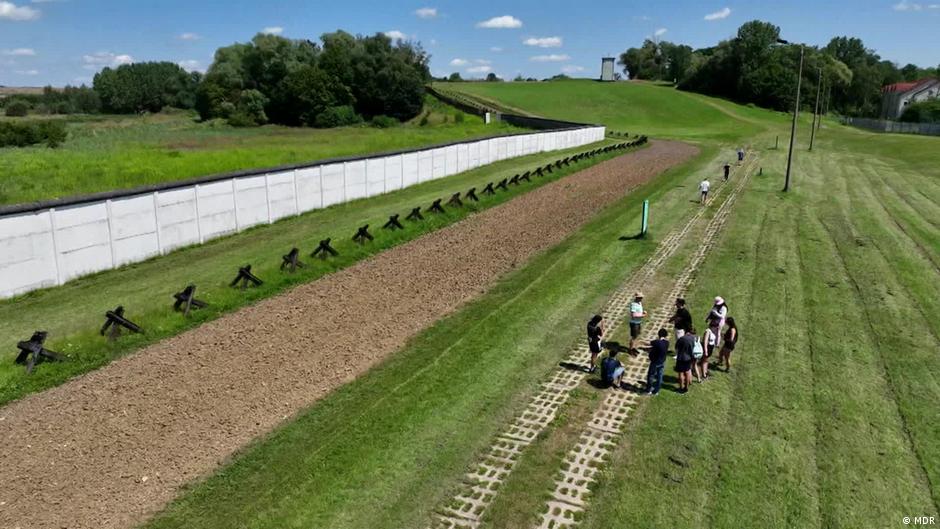
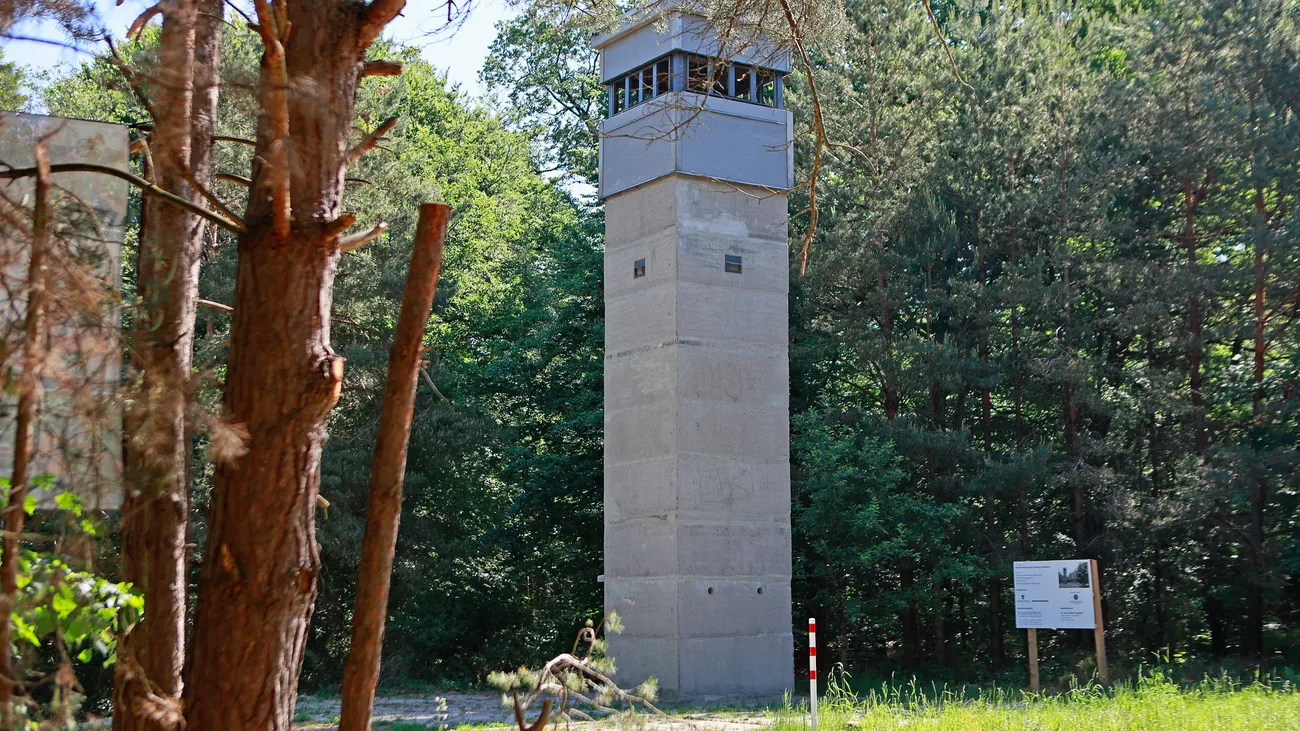
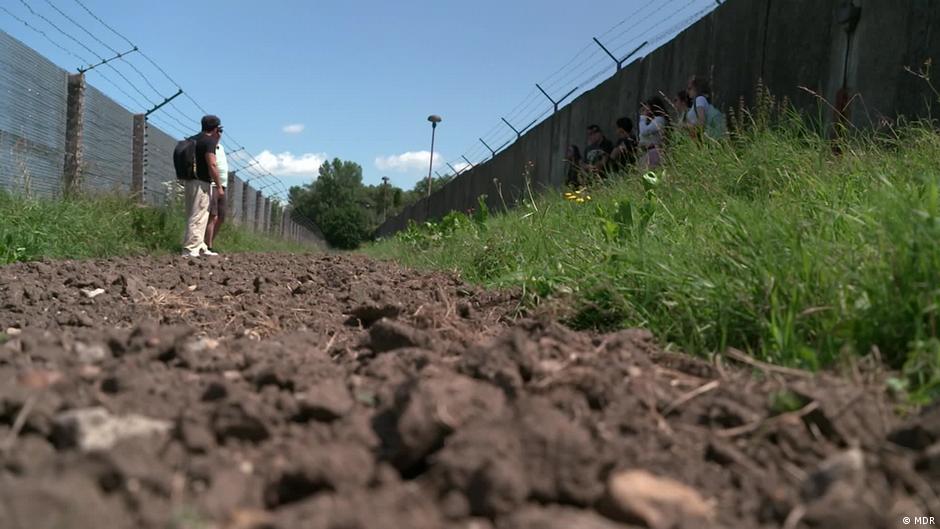
This is where the border between the Federal Republic of Germany (or FRG, more commonly known as West Germany) and the German Democratic Republic (or GDR, more commonly known as East Germany) used to be. It was effectively the border between two global power blocs: the west with NATO, and the east with the Warsaw Pact. Until the fall of the Berlin Wall in 1989, that is.German conservationists guard Iron Curtain legacyTo view this video please enable JavaScript, and consider upgrading to a web browser that supports HTML5 video
A former dividing line
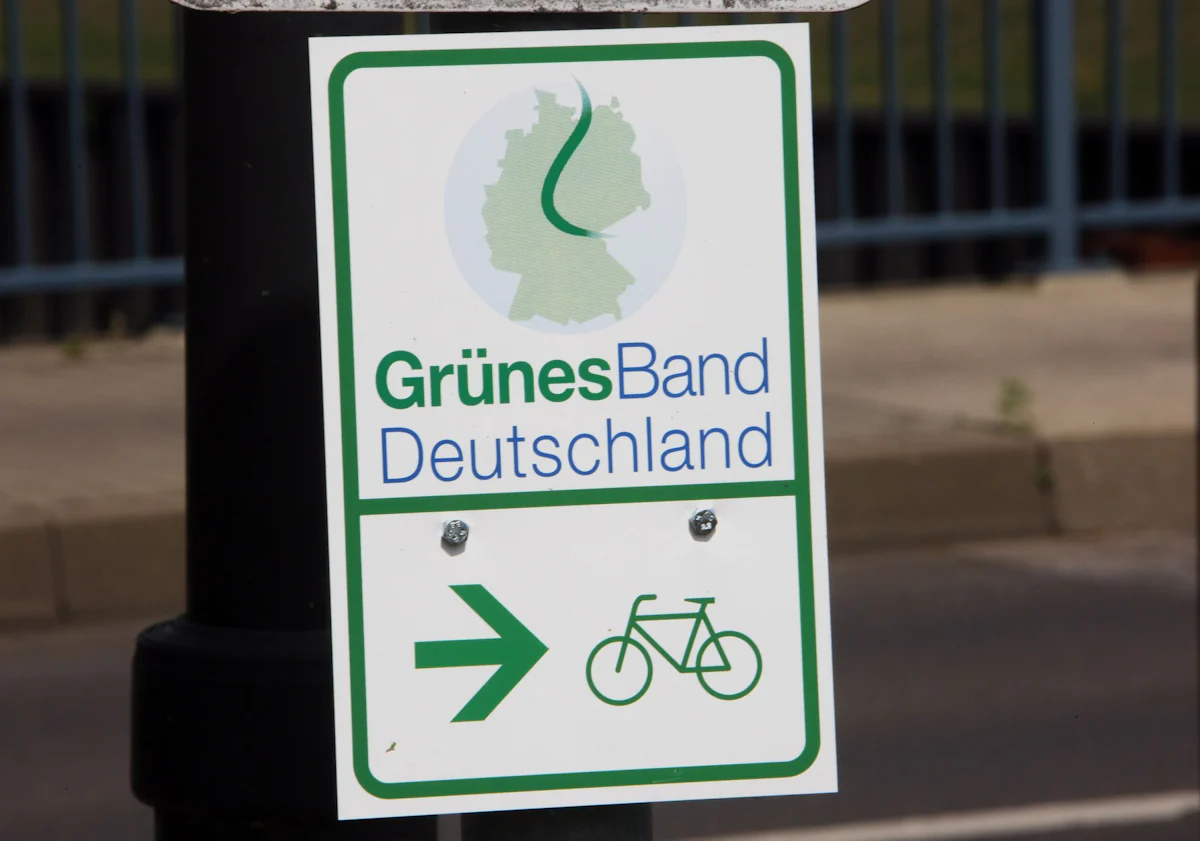
Andreas Heil from Germany's Environment Ministry is responsible for the "Green Belt," a unique nature reserve in an area once used to prevent East German citizens from fleeing to the West. It is almost 1,400 kilometers (approxinmately 870 miles) long and between 50 (164 feet) and 200 meters wide. "It was a death strip that was insurmountable and served as a dividing line," Heil explained on the bus. "Today, it is exactly the opposite: something that brings people together."