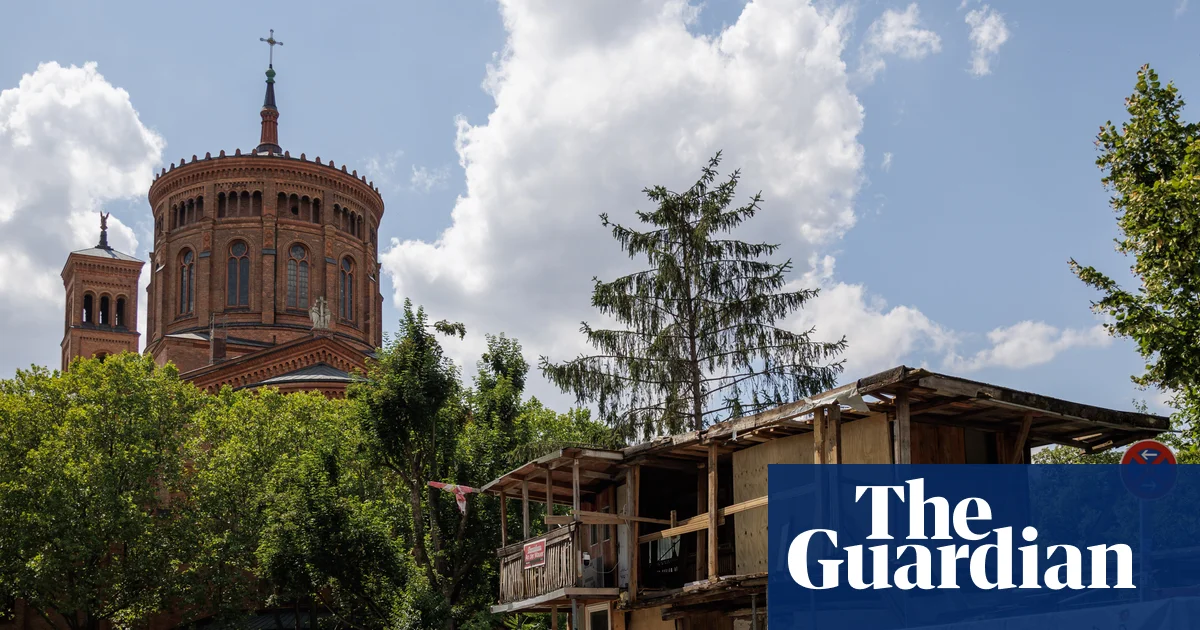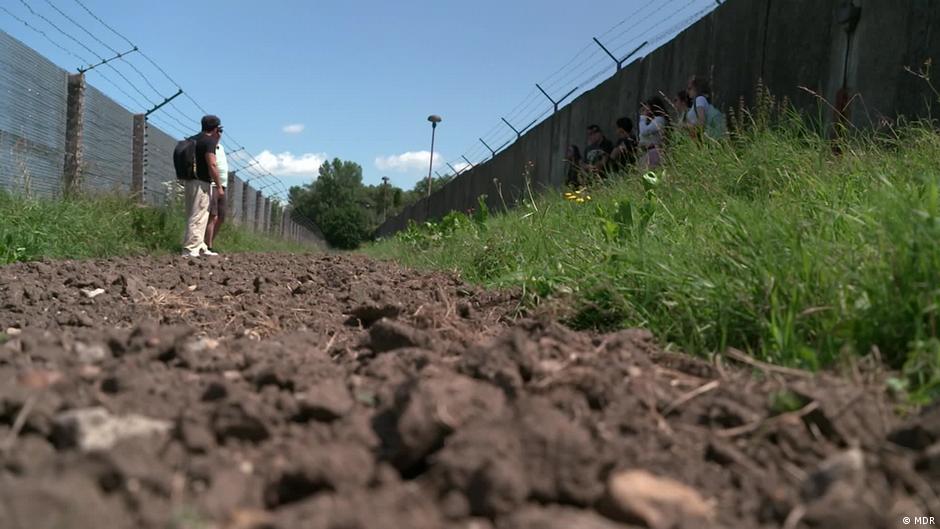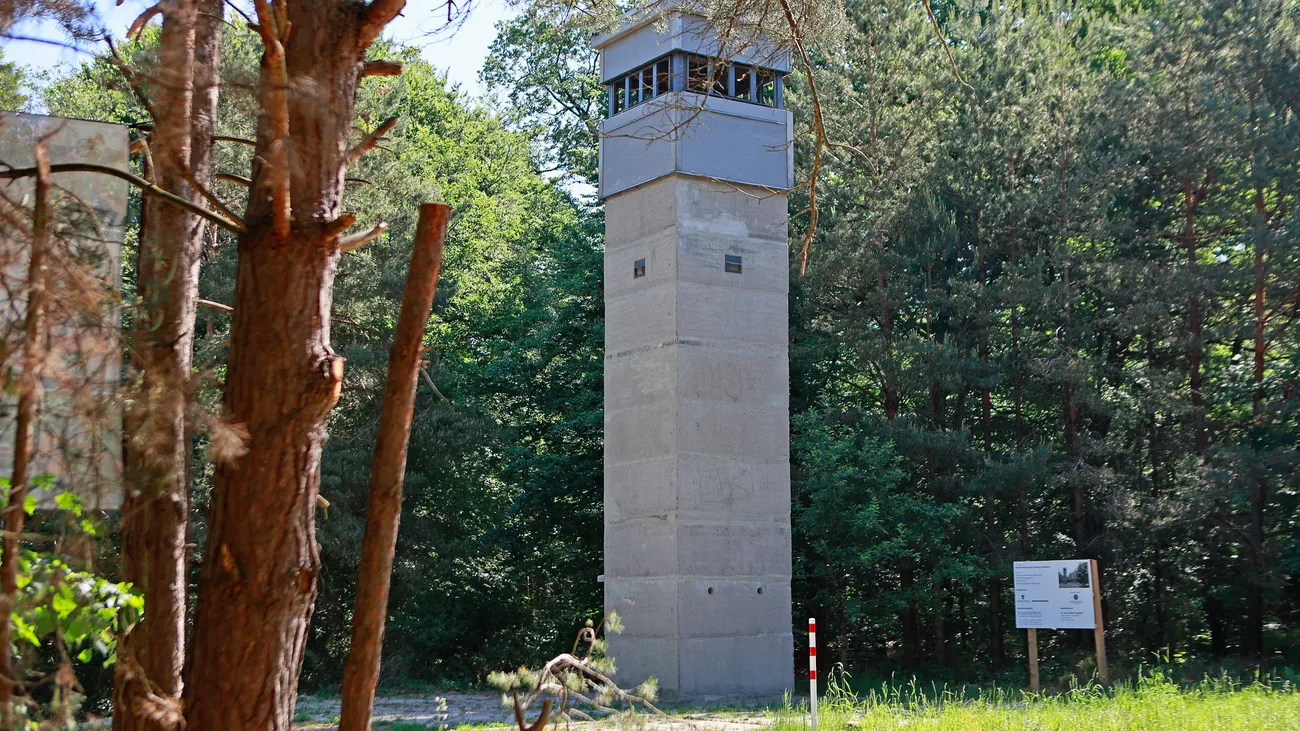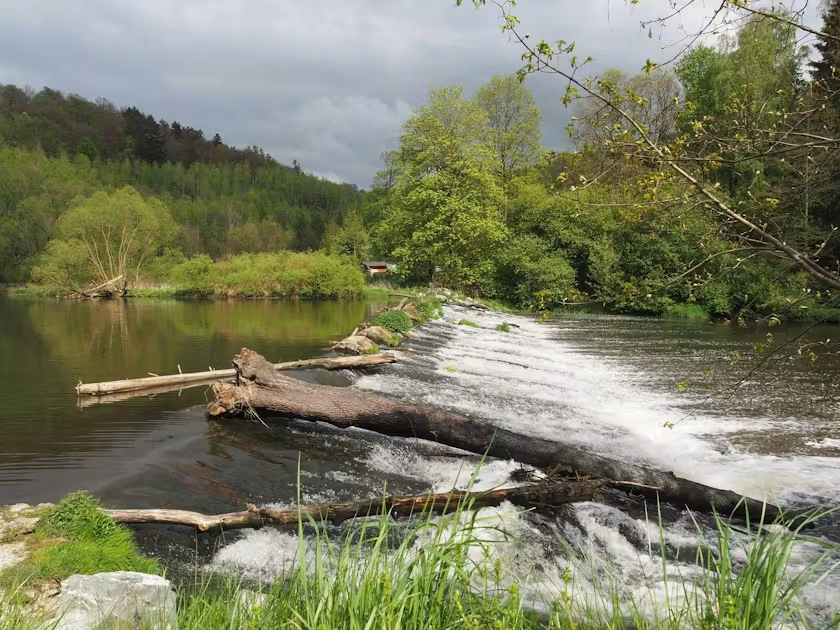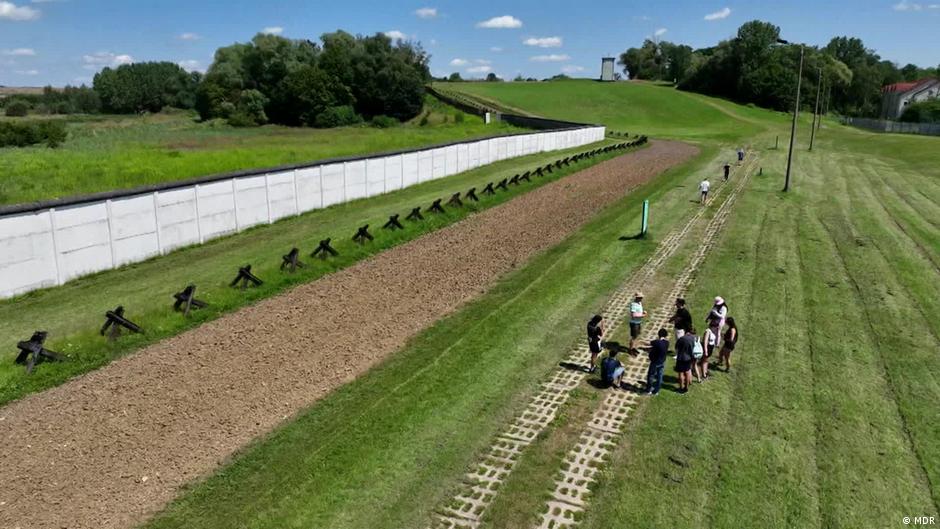
After the fall of the Berlin Wall in 1989, the border zone that divided East and West Germany was left largely untouched. Today, the nearly 1,400-kilometer (870 miles) stretch, once known as the death strip, is a "green belt." It's home to around 7,500 species of insects and spiders, hundreds of them endangered, as well as otters, wildcats and birds on the brink of extinction.
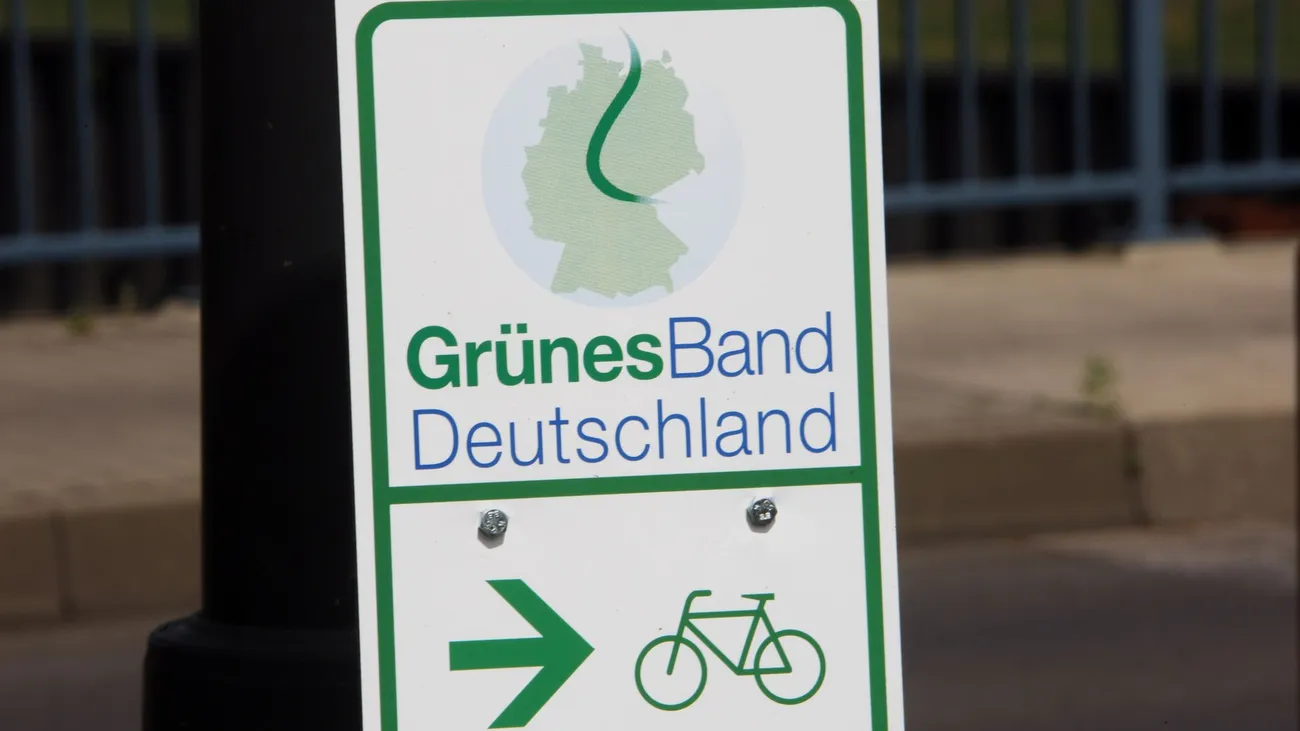
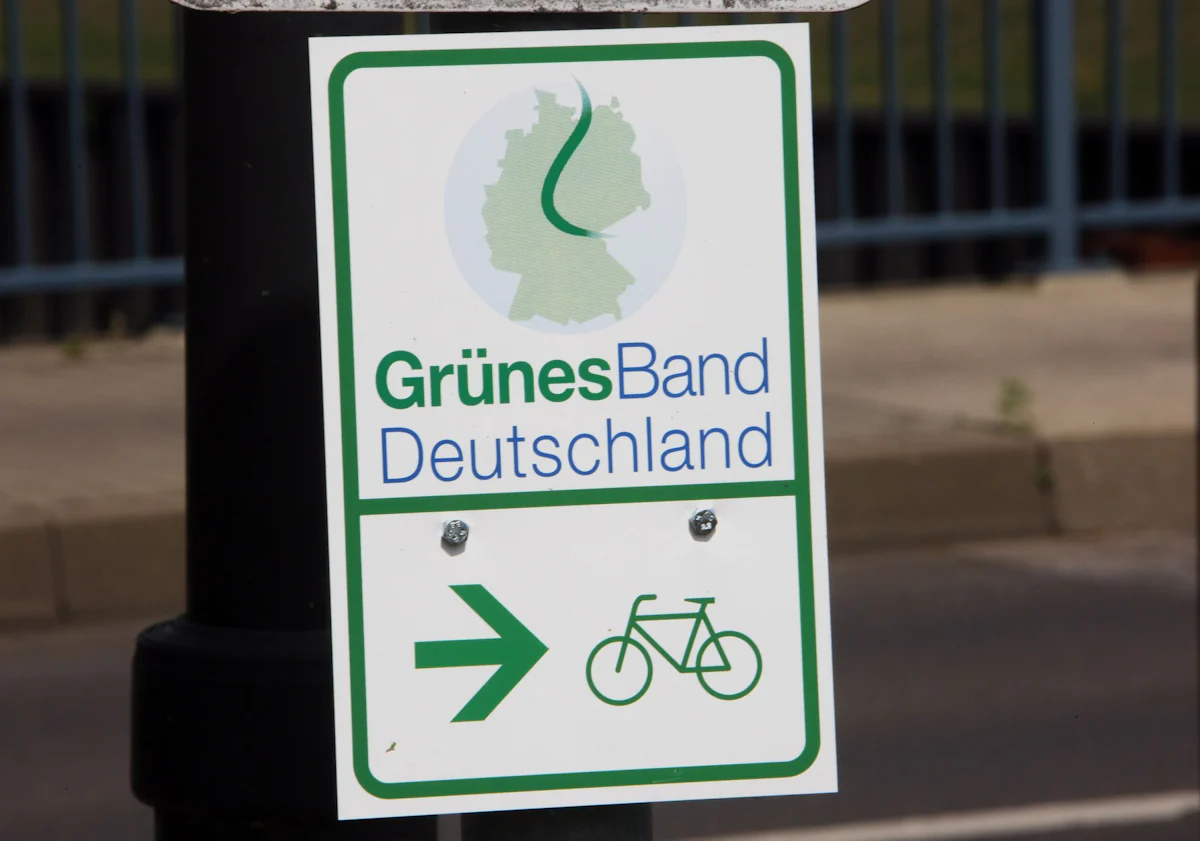
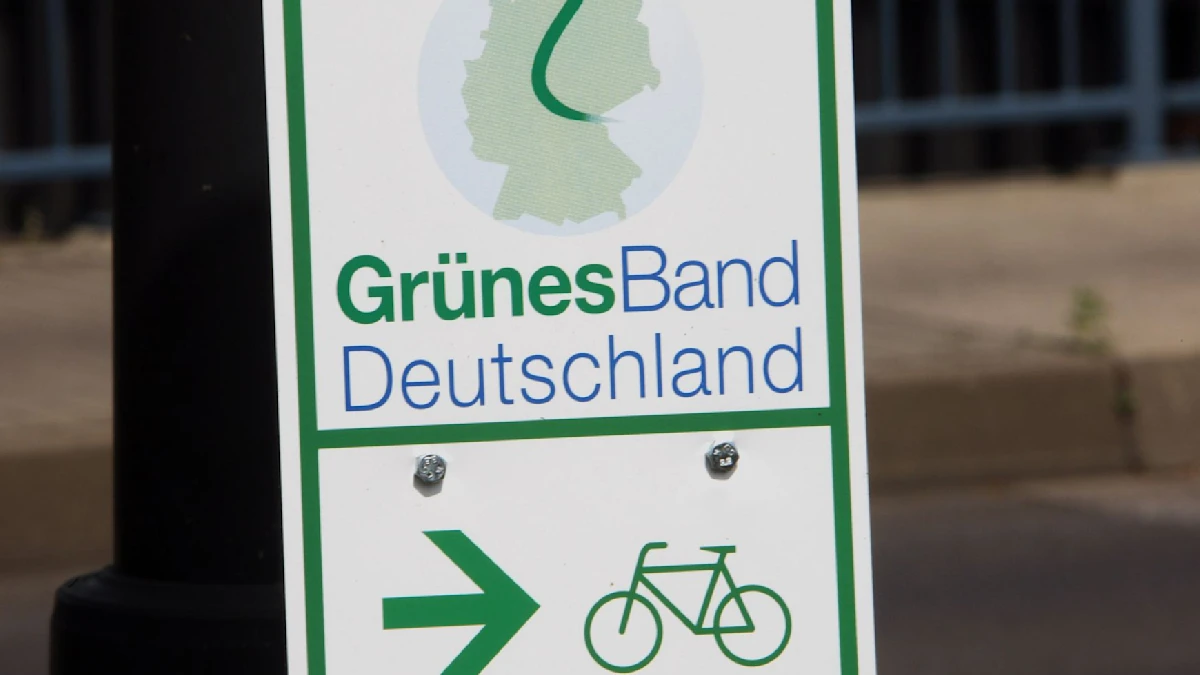
Because the military zone was sealed off for decades, species that have vanished elsewhere in Germany were able to take hold here. Now 88% of the area is under protection, and cycle paths and information panels allow visitors to explore what was once completely off-limits.
Read the full story here: East-West border death zone now Germany's biodiversity oasis
An urban tree database
Not all heroes wear capes, but some do form a canopy. Urban trees quietly cool neighborhoods, reduce flooding, and improve our wellbeing. But in many cities, trees are under pressure from heat, drought, traffic and too much concrete.