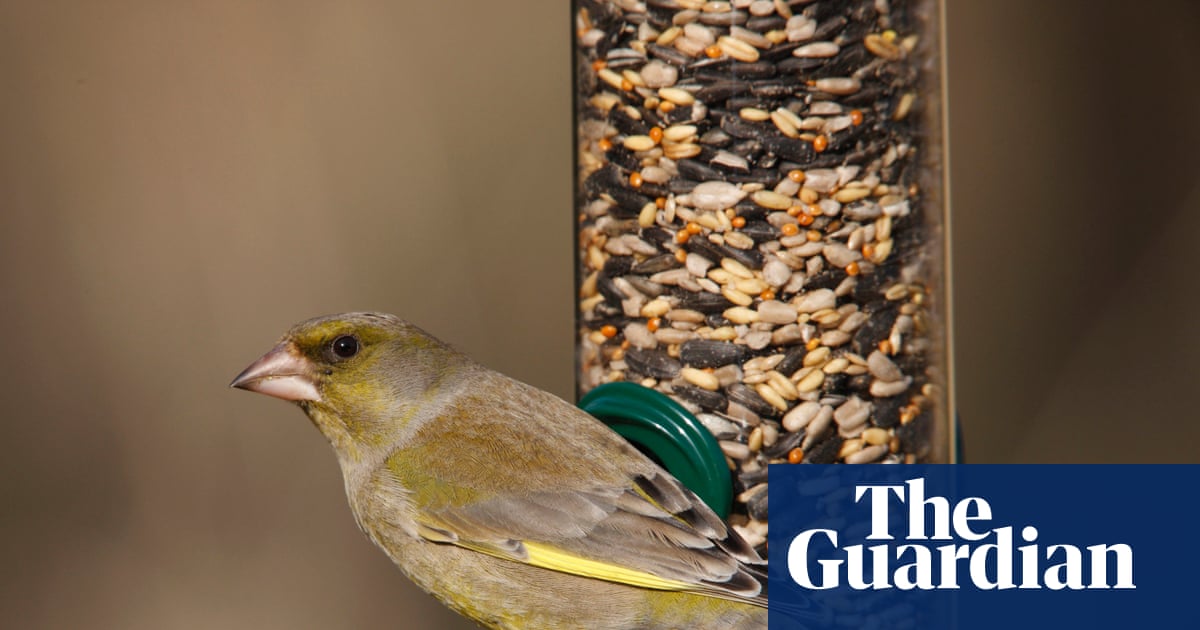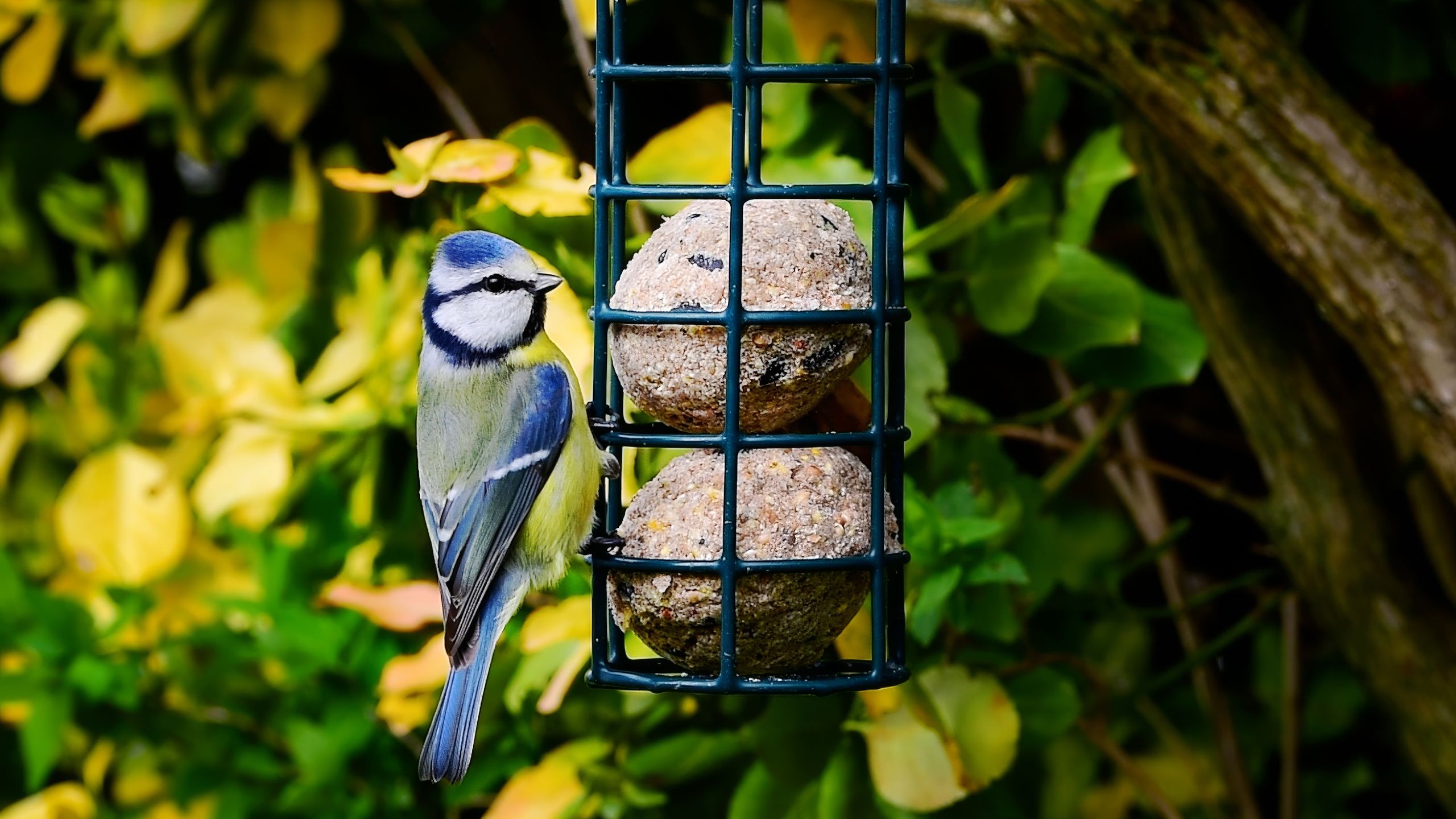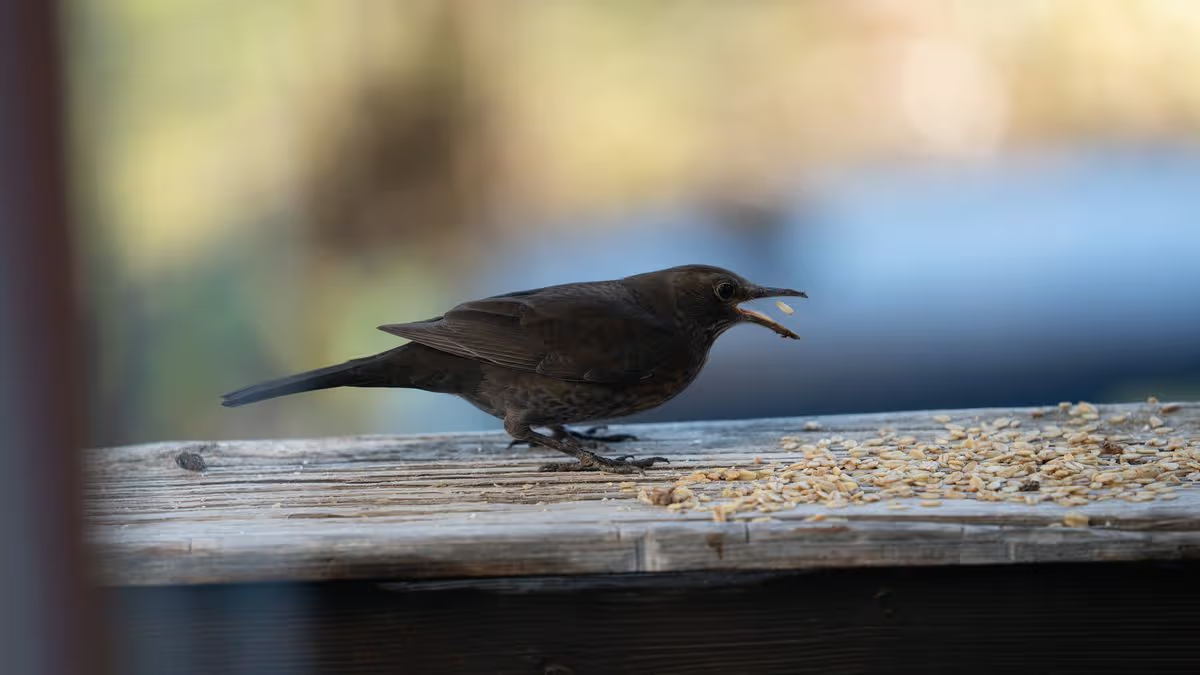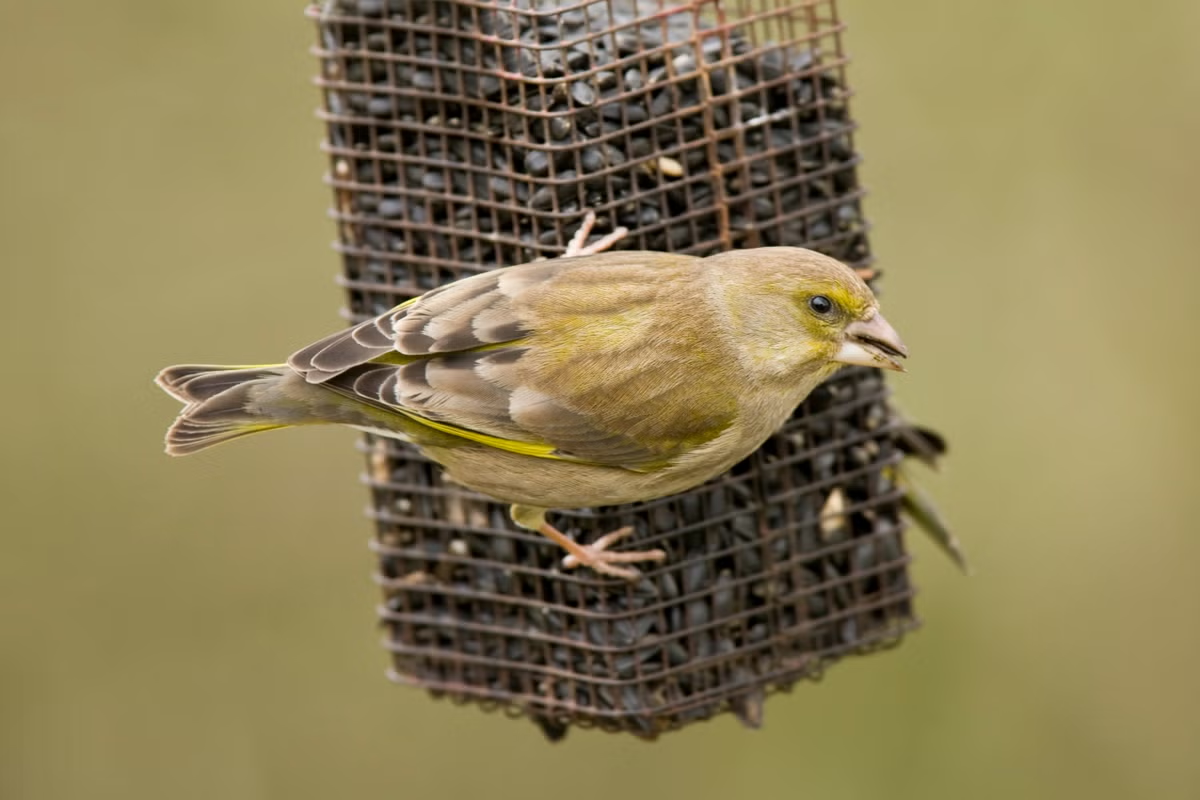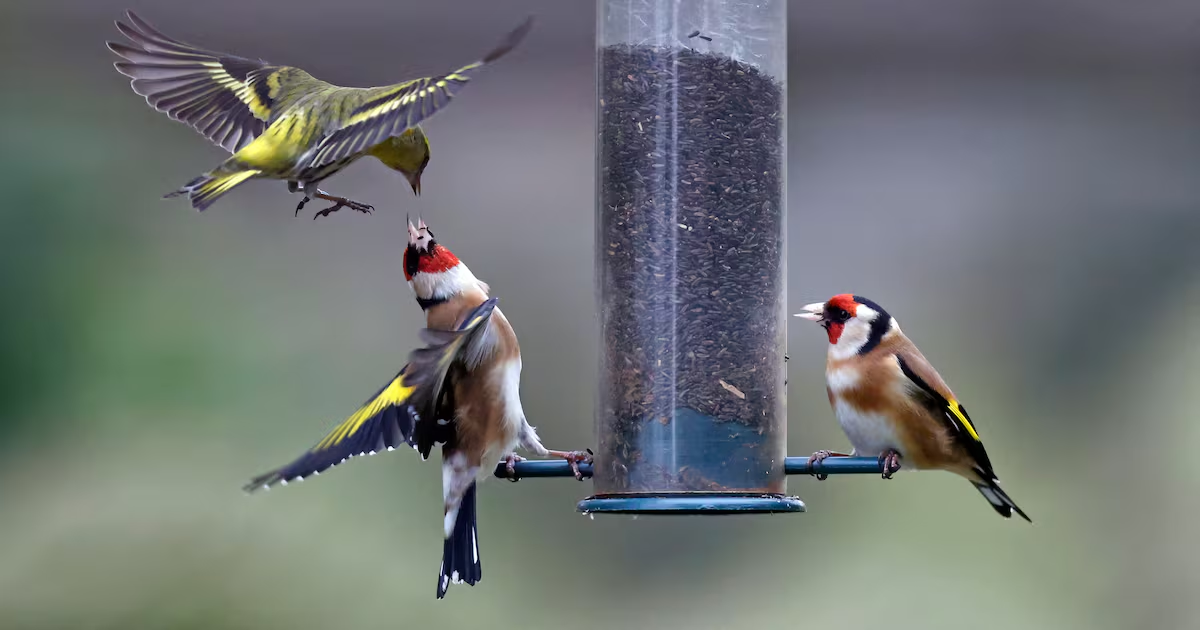
A devastating disease is spreading among Irish songbirds. It is caused by a single-cell parasite that gums up the throats of infected songbirds until they can no longer feed or drink. Sick birds in gardens look puffed up and may not fly away when approached. Hardest hit has been the greenfinch, a species once widespread in Ireland but now rarely seen or heard in parts of the country. Its numbers halved since about 2006, when the parasite landed in Ireland, likely from the UK. There are signs now that the disease is spreading to other songsters such as goldfinches, bullfinches and chaffinches. In response, BirdWatch Ireland took the difficult decision to ask people not to feed garden birds from May until October. This is because of how the protozoan parasite spreads. Infected birds have difficulty swallowing and breathing due to the presence of the parasite. Eventually lesions in their mouth and throat make it impossible for them to feed, and they regurgitate seeds that can infect healthy birds. Saliva from sick birds is contagious, and parent birds can also infect their young when feeding them. Drooling and regurgitation of food means they may have wetting of feathers around their face. “The birds look unwell and they are basically starving,” says Niall Hatch at BirdWatch Ireland. “The poor birds try to feed up until death, so people are finding them keeled over on their patio or garden furniture or bird table, which is unusual.” He says the disease was initially concentrated in a few places, like Dublin and Wexford, but is everywhere now. It appears that a strain of the parasite jumped species, from pigeons (pictured in Stoneybatter, Dublin) to greenfinches. Photograph: Dara Mac Dónaill/The Irish Times The parasite is a microscopic protozoa, Trichomonas gallinae, that was known to infect pigeon species. It cannot infect people. Some time in about 2005, it seems that a single strain of the parasite jumped from pigeons to greenfinches, which are unrelated types of bird. “It started off in the West Midlands [of England] and then spread to Wales and other parts of southern and central England. It is now everywhere in the UK and has spread into mainland Europe,” says Dr Will Peach, a conservation scientist at the Royal Society for the Protection of Birds (RSPB). [ Cork wildlife park to stay closed for weeks following bird flu outbreakOpens in new window ]This year the society – which has more than 1 million members – also changed its advice about feeding garden birds and says people should especially avoid putting out seeds and peanuts, which attract finches. Risks of transmitting the parasite are heightened around popular bird feeders, where lots of birds congregate. This stokes the risk of a sick bird joining the feeding flock and spreading the parasite to others. When temperatures are mild, the parasite can survive for up to five days outside a bird’s body. “All it takes is for an infected bird to go to a bird feeder and then there is a ticking time bomb there for other birds,” says Hatch. Greenfinches were likely susceptible because they pass seed from beak to beak to strengthen the bonds of the flock. Summer is unfortunately an ideal time for the parasite to survive in the wild and spread to healthy birds. Most birds that get infected by the parasite seem to die. The statistics point to a looming catastrophe among finches. The Irish Garden Bird Survey has revealed about a 30 per cent fall in garden visits by greenfinches compared to 10 years ago, a 13 per cent fall in chaffinches and 11 per cent decline in goldfinches. Unfortunately, the disease is also turning up in other species, including sparrow, siskin, linnet and redpoll. Hatch says BirdWatch Ireland is worried that the infection could help wipe out some rarer species such as the twite, a finch that is on the Red List of concern in Ireland. This bird once bred along all coasts, but is now restricted to a few coastal bogs in Mayo and Donegal.‘No one really cares about birds in gardens when it comes to the crunch’— Dr Barry McMahon, UCDMeanwhile, the RSPB has recorded a 66 per cent decline in greenfinches and a 40 per cent decline in chaffinches across the UK. The birds are almost gone from some areas. A farm that the society owns near Cambridge, for example, was home to 49 pairs of chaffinches in 2010 but had just four pairs in 2024. “The habitat on this farm is perfect for chaffinches,” says Peach. “That’s a 90 per cent decline in 14 years.” The distinctive bullfinch is now also disappearing across England and Peach says the suspicion is that Finch trichomoniasis is the culprit. There have been few direct scientific studies of the disease in Ireland, despite the devastation it is inflicting on garden birds. A 2018 study by scientists at University College Dublin (UCD) found three out of 20 feral pigeons caught at Merrion Square, Dublin, had signs of the parasite. Lab tests revealed that six out of 20 greenfinches captured in Edenderry had the parasite. None of 20 goldfinches had the trich parasite. The research involved capturing, swabbing and releasing the birds. [ Bird flu infection identified in wild falcon in Co GalwayOpens in new window ]Dr Barry McMahon at UCD, who led the study, says there was little sign of funding or concern by authorities in Ireland over the disease after he published the study in 2022. “No one really cares about birds in gardens when it comes to the crunch,” he says. There is no evidence that the parasite can pass to farmed birds. “In theory it could pose a risk to poultry, but I have heard of no problems with that and I suspect it is a low risk,” says Peach. The disease can be treated in captive birds by a course of antibiotics, but this treatment is impractical for wild birds. Birds of prey can contract a disease called “frounce” when they prey on infected birds. This has raised concerns at Birdwatch Ireland about sparrowhawks, which feed on small birds such as finches and sparrows. The hawks might target the slower-moving diseased birds, but so far the conservation charity has seen no significant decline in these predators. The parasite has been found also in the common buzzard, a medium-sized bird of prey that has recolonised Ireland in recent years. Other research suggests the trichomonas parasites can infect and hamper the survival of peregrine falcon nestlings. A Peregrine falcon at Russborough House: research suggests the trichomonas parasite can infect peregrine falcon nestlings. Photograph: Cyril Byrne/The Irish Times The RSPB is running some tests on new types of feeders and feed trays that could reduce the likelihood of dropped seed being available to other birds. “My team at the RSPB has collected a huge amount of video data trying to work out how this disease affects the behaviour of birds and particularly how the parasite transmits,” says Peach. “A significant chunk of the industry [selling bird food] is saying that all you need to do is clean your feeders and everything will be fine,” says Peach. “Our research confirmed that it is spreading via saliva on regurgitated food and water, and cleaning your feeders is – though important – not going to be sufficient to break the transmission link.” BirdWatch Ireland decided to stop selling birdfeed on its website. “It would be good to see other retailers doing the same,” says Hatch. Bird baths can also be contaminated with the parasite, as it lives longer in water than on the ground. BirdWatch Ireland advises that people refrain from using bird baths, too, unless you are committed to changing the water every single day to minimise the risk of infection. “What it boils down to is to try and avoid attracting and concentrating birds into a small area, which still heightens the risk of infection,” the organisation said in new guidance. Finches are not only precious in their own right. They also play an important role in the maintenance of nature around them – dispersing the seeds of wild plants is one way in which they contribute.“They control insect populations in certain areas and are part of what keeps a healthy ecosystem in balance,” says Hatch. “We already have a biodiversity crisis in Ireland. It is worrying to see these declines and we have a moral and legal obligation to protect those species.”
A deadly disease first takes finches’ songs – and then their lives
Songbirds hit by a contagious infection are being found dead on bird tables and in gardens after last-gasp efforts to feed
1,411 words~6 min read