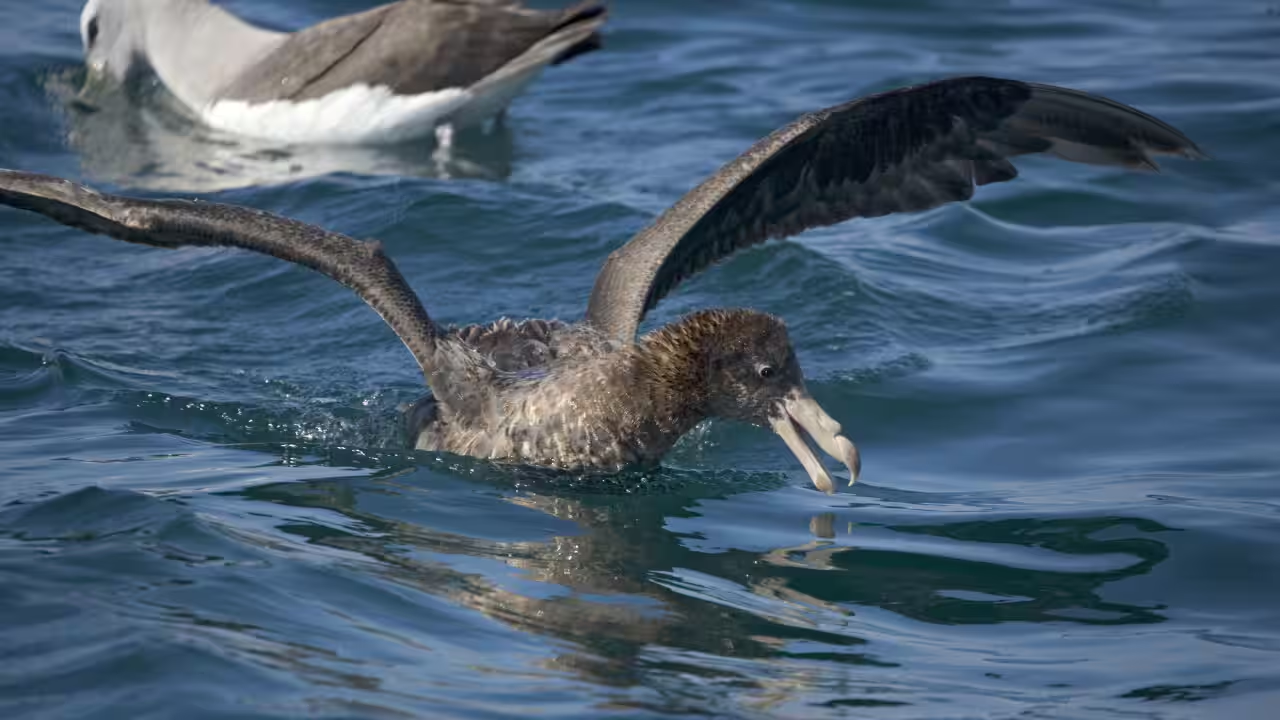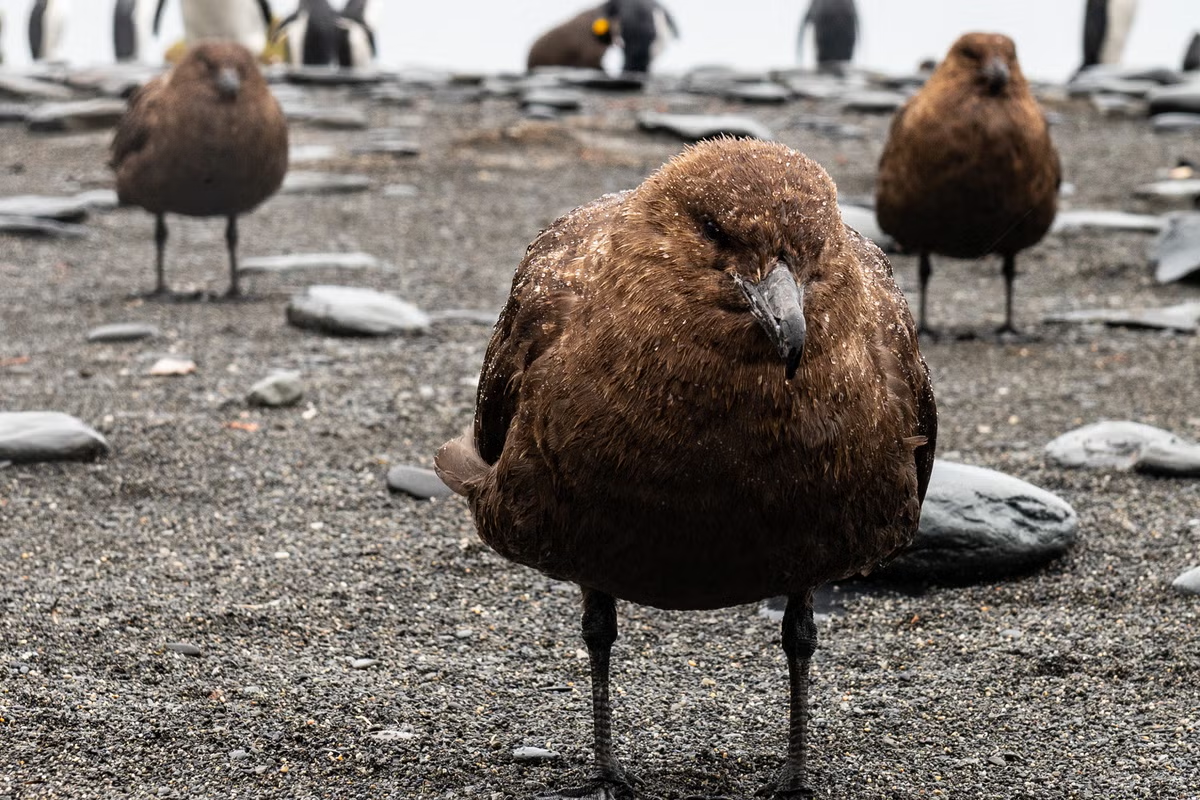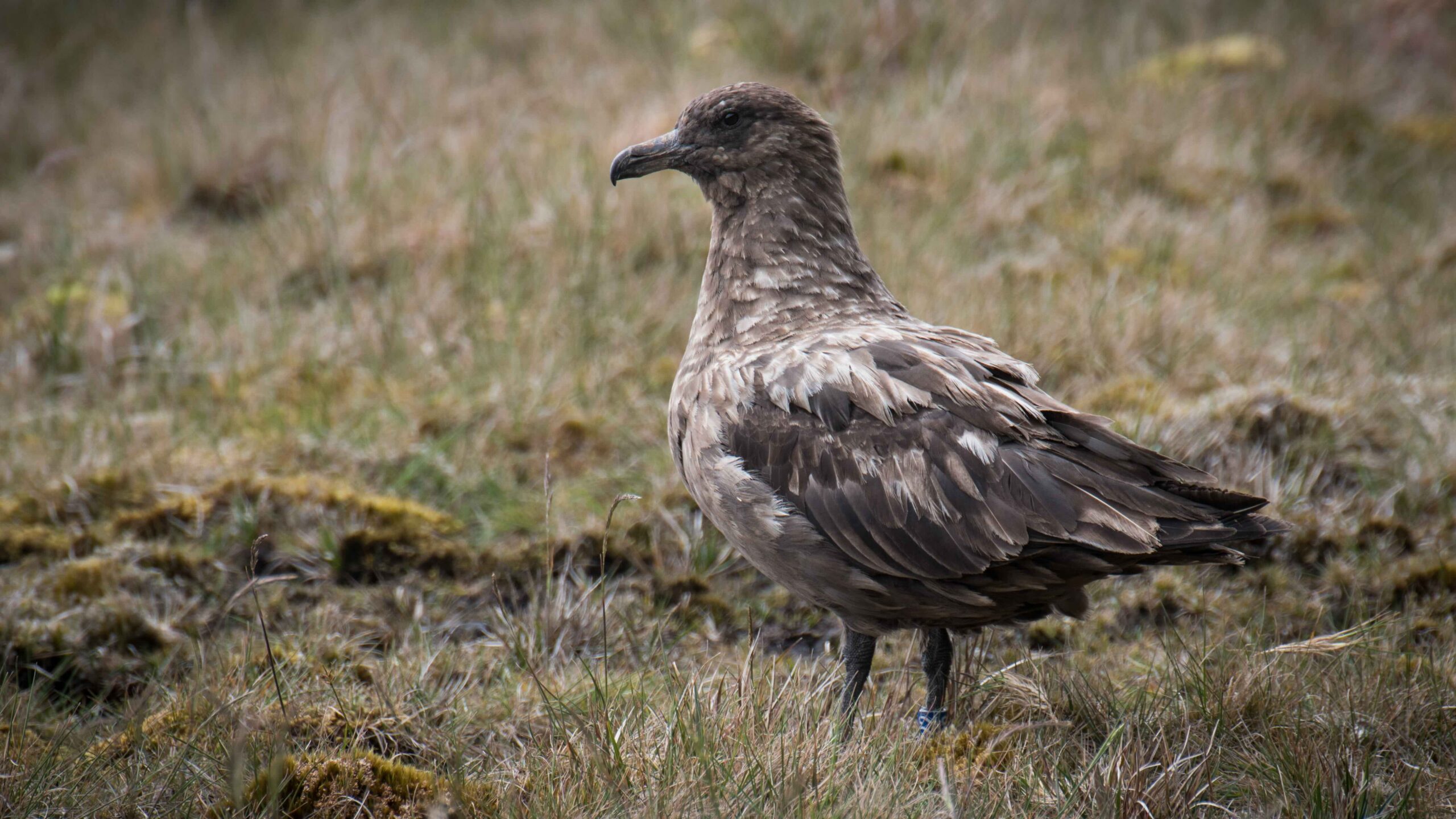
The deadly bird flu strain killing wild birds across the country has now been found in all six states, as Tasmania records its first case.The carcass of the wild bird was found in Tasmania’s northwest and state authorities revealed on Thursday the brown skua had been infected with the deadly strain of bird flu.“Although we’ve had a positive detection, I want to be clear that there is no evidence of an outbreak and there is no detection in commercial poultry at this time,” Primary Industries Minister Gavin Pearce said.The first confirmed case was in a brown skua found on Western Australia's’s southern coast, and now only the ACT and the Northern Territory have not recorded an infection.Skuas are large predatory seabirds that breed on Antarctic and sub-Antarctic islands and are native to Tasmania.Mr Pearce said Tasmania had already been prepared to respond to the detection of H5N1 bird flu.Department of Natural Resources and Environment secretary Jason Jacobi said it was inevitable the virus was found in Tasmania after other infected brown skuas were found elsewhere.The department said it was not yet known where the bird acquired the virus, but that would be clear once testing was done at the CSIRO’s Australian Centre for Disease Preparedness.“When this sample comes back from its analysis at the ACDP in Geelong, that’s when they’ll have really detailed sequencing information,” threatened species scientist Rachael Alderman said.“They use that sequencing information to map the relatedness. You can tell lots of interesting things about whether it’s come from Heard Island or somewhere else.”Tasmania was the sixth and final state to detect a case of the strain. The government says it has surveyed 980km of mainland and island coastline looking at seal and seabird colonies for signs of infections.Overseas, the H5N1 strain has caused severe disease and high death rates in poultry, wild birds and other wildlife, but human cases are rare and the virus does not spread easily between people.
Scale of deadly bird flu strain widens
The deadly bird flu strain killing wild birds across the country has now been found in all six states, as Tasmania records its first case.
323 words~1 min read