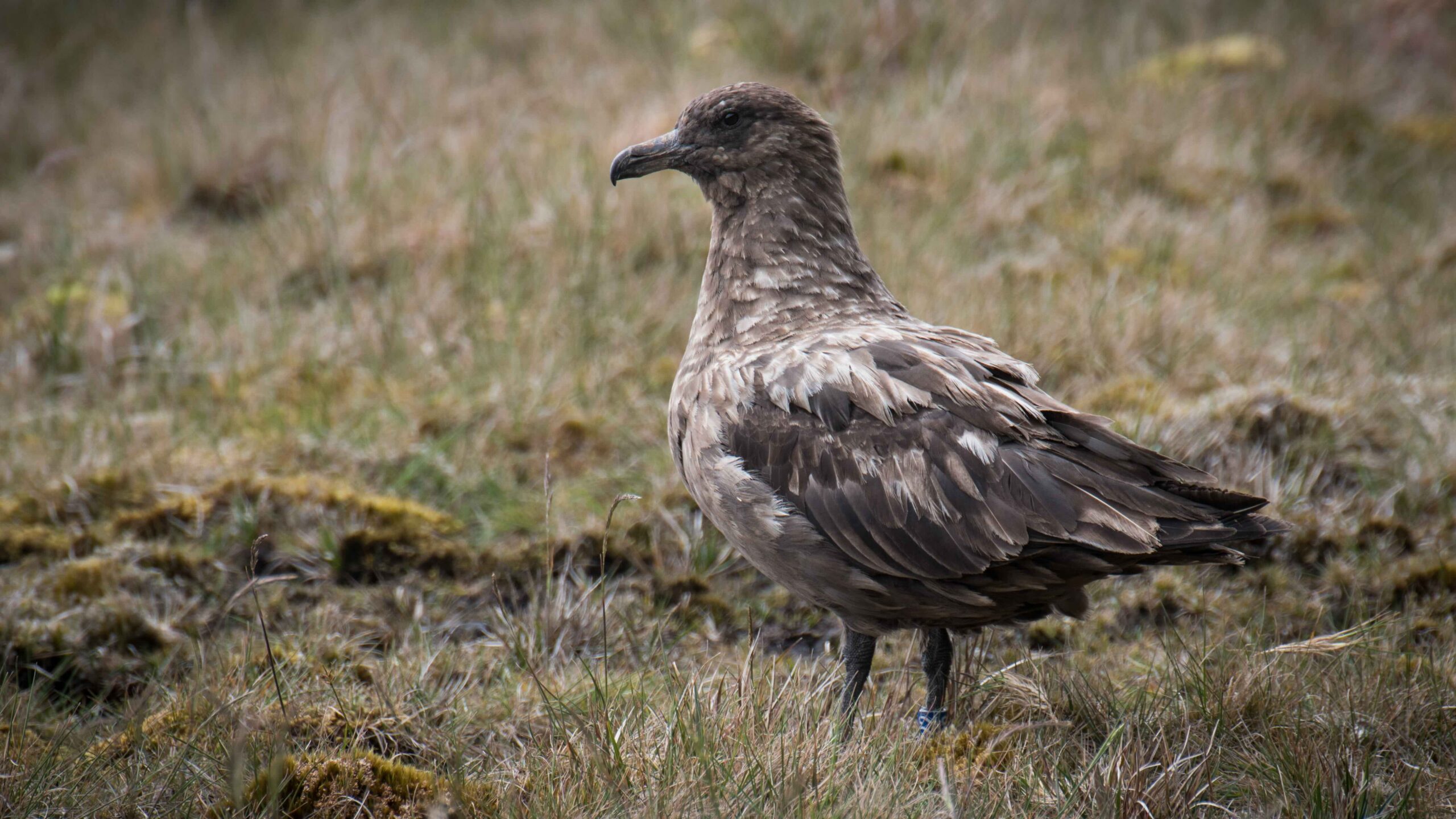
A deadly strain of avian influenza, H5N1, that has killed millions of wild and domestic birds and mammals across the globe, has for the first time reached Australia’s shores.
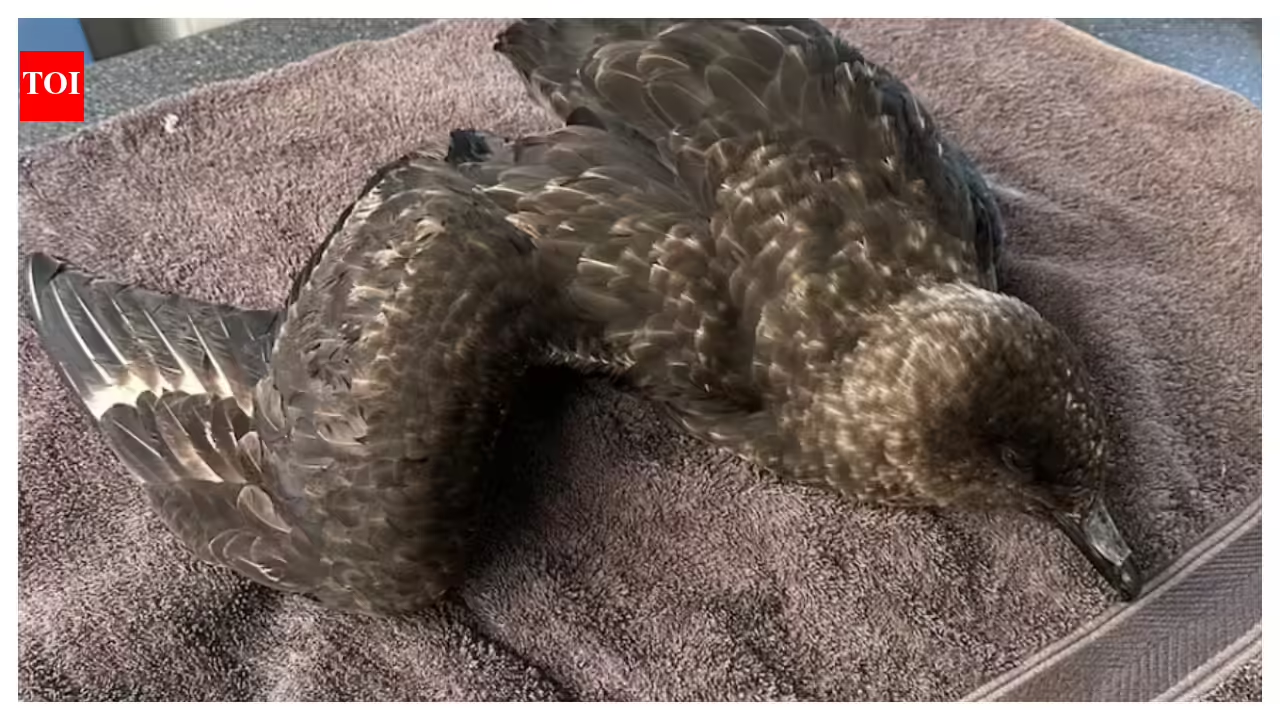
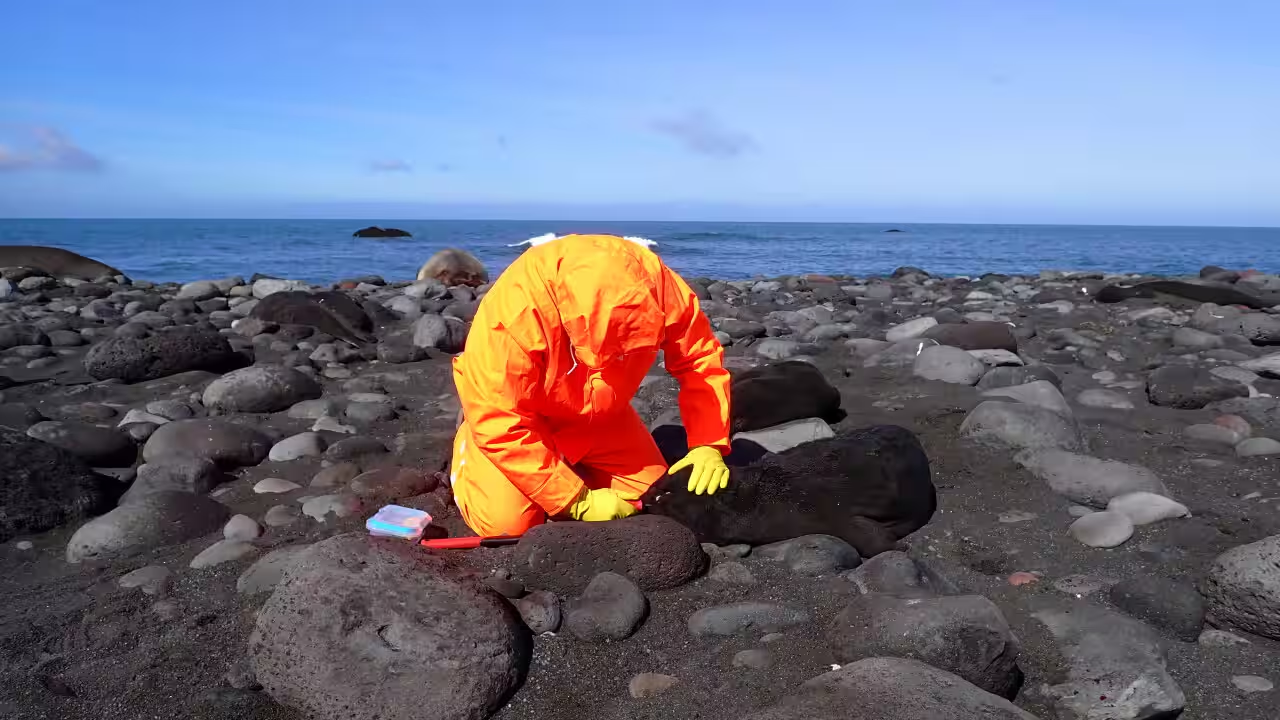
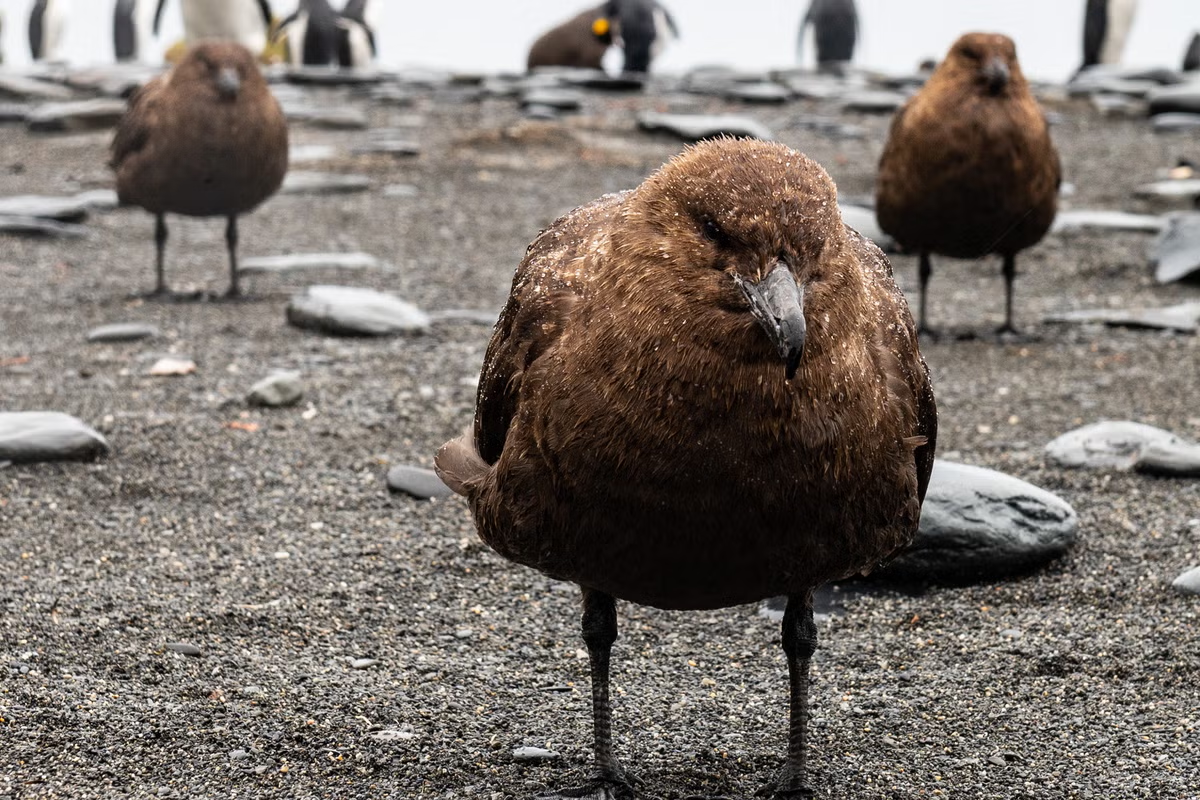
Australian authorities confirmed that two migratory seabirds, a brown skua (Stercorarius antarcticus) and a northern giant petrel (Macronectes halli), have both tested positive for H5N1, a strain of what’s officially known as highly pathogenic avian influenza (HPAI). The sick birds were discovered along the southern coast of Western Australia. They have since died.
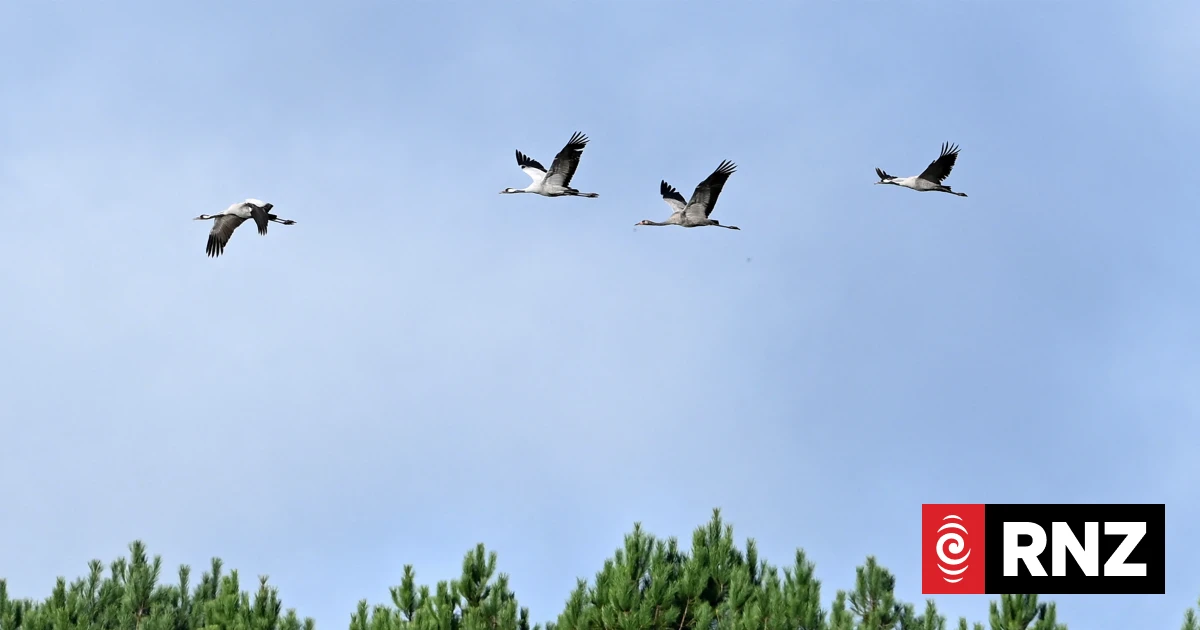
Both the brown skua and giant petrel breed in the subantarctic regions and migrate to northern, warmer waters, including those around Australia, during the harsh polar winter.
Bird flu is caused by a highly contagious virus that has now infected animals on every continent. Sporadic human cases have also been recorded.
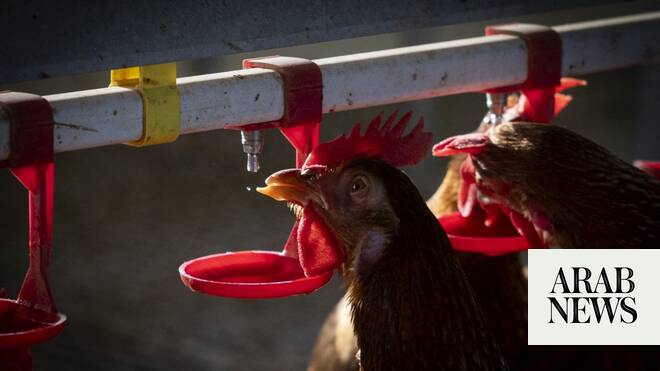
Federal Agriculture Minister Julie Collins said in a press briefing that there is no evidence of mass mortality in Australian wildlife and that bird flu hasn’t as yet affected Australia’s poultry or livestock.