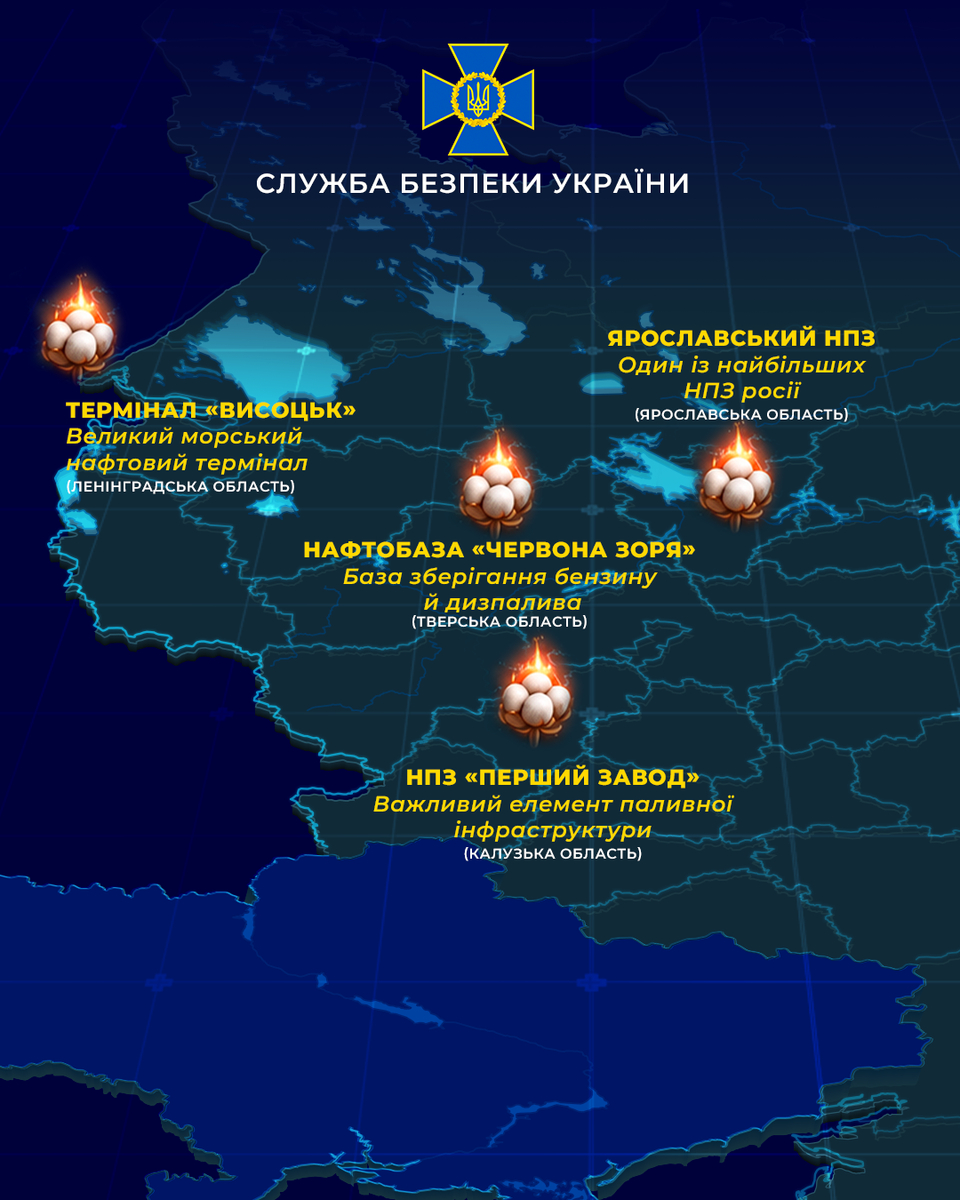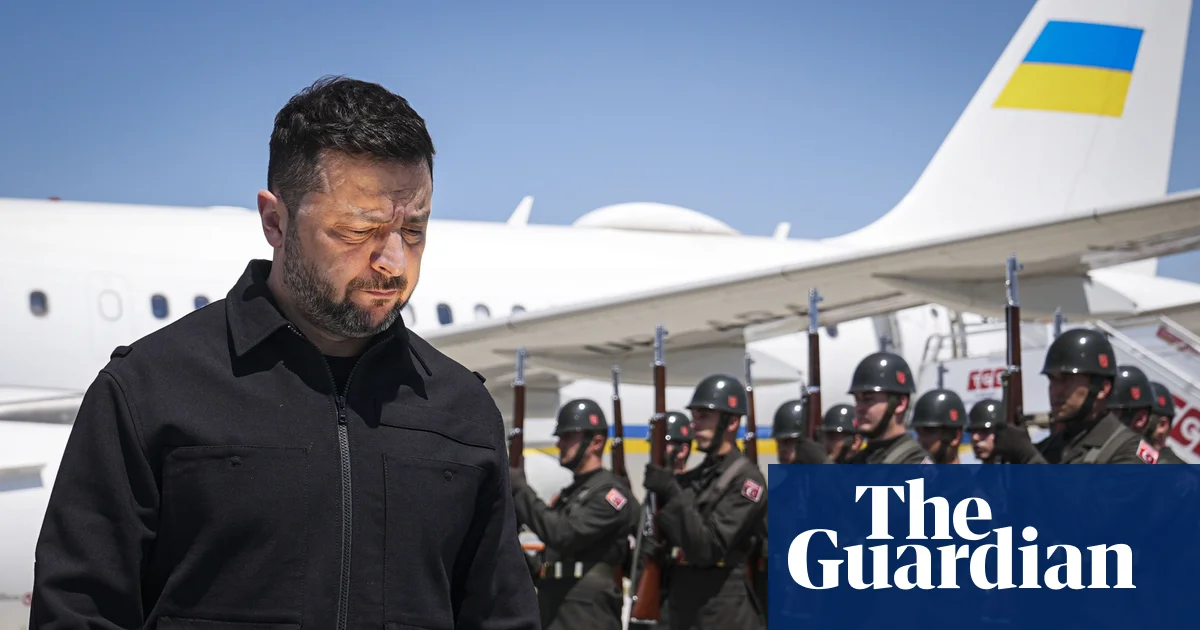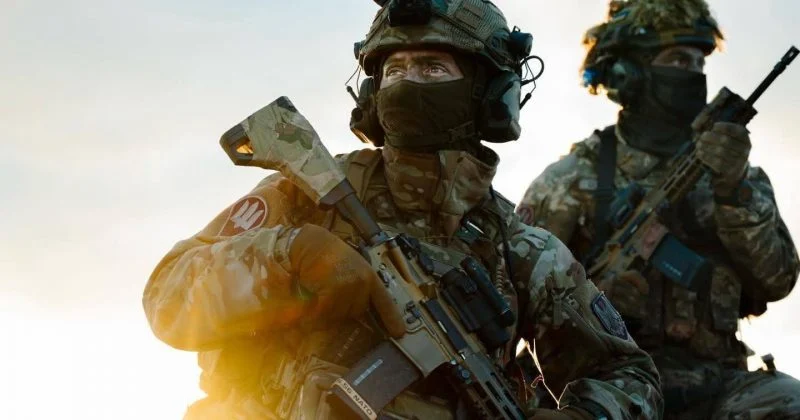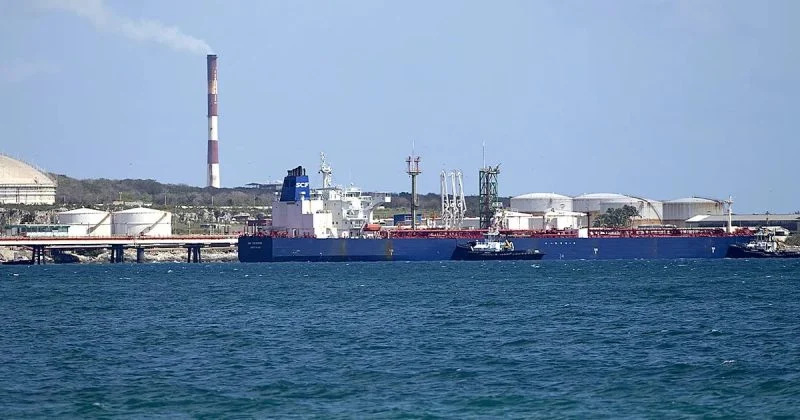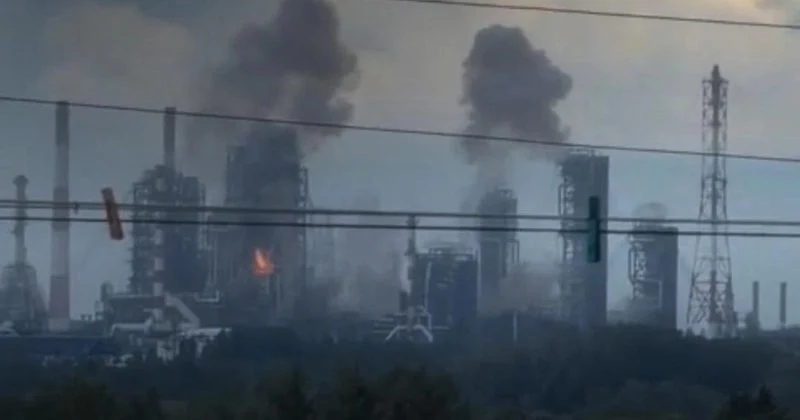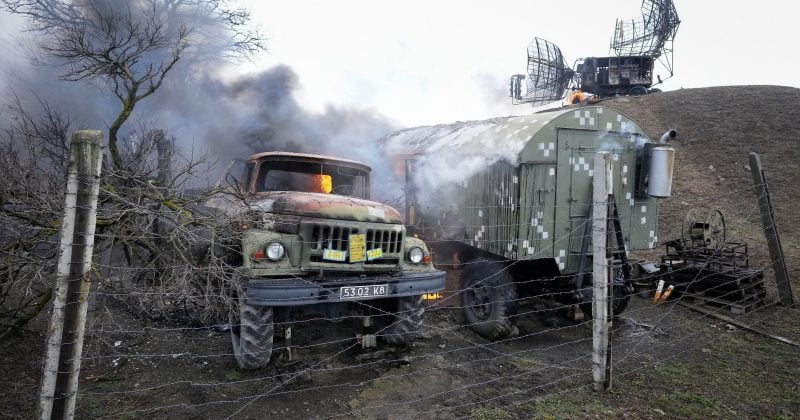
Ukraine’s recent 40-day military campaign, initiated by President Volodymyr Zelenskyy, has sought to pressure Russia into ending the ongoing conflict by targeting critical infrastructure within Russian territory. Since launching on June 25, 2026, the operation, led by the Security Service of Ukraine, has focused on degrading Russia’s oil infrastructure and logistics networks. Key strikes have included attacks on oil refineries as far as Ufa and disruptions to relay stations in Belarus, alongside operational interference with Russia’s “shadow fleet” of tankers. Despite these efforts, the campaign has not yet compelled Russia to negotiate peace, as Russian forces continue their large-scale attacks on Ukrainian territory.
Markets appear to view Ukraine’s intensified military efforts as a factor that could potentially influence the likelihood of changes in territorial control. The campaign has contributed to a state of emergency in occupied Crimea and has been a factor in stalling Russian advances earlier in the year. However, Russia has maintained its territorial demands, with Foreign Minister Sergey Lavrov reiterating Moscow’s commitment to its objectives.
Key Takeaways
Ukraine’s military campaign appears to have inflicted significant damage on Russian infrastructure, suggesting potential impacts on Russian military logistics.