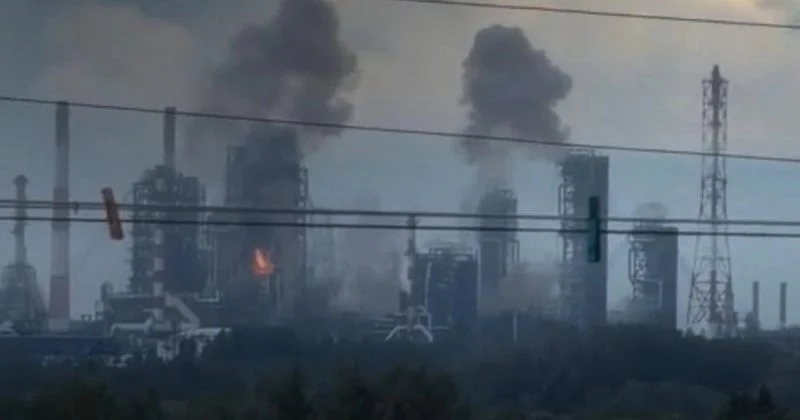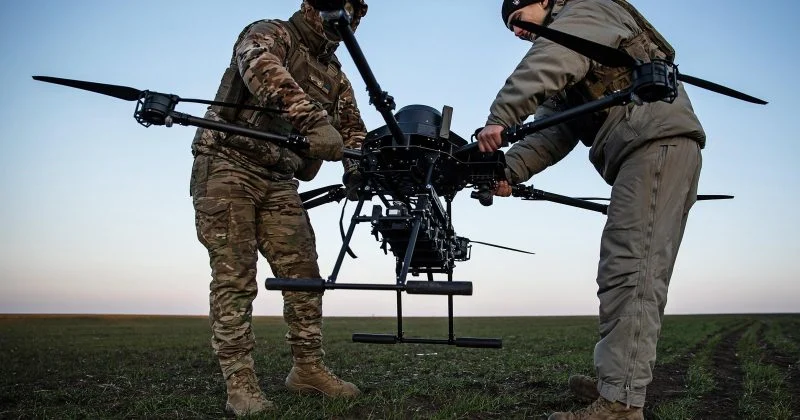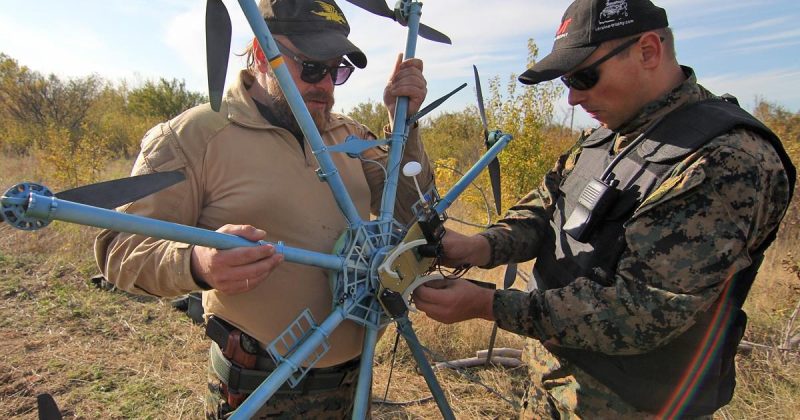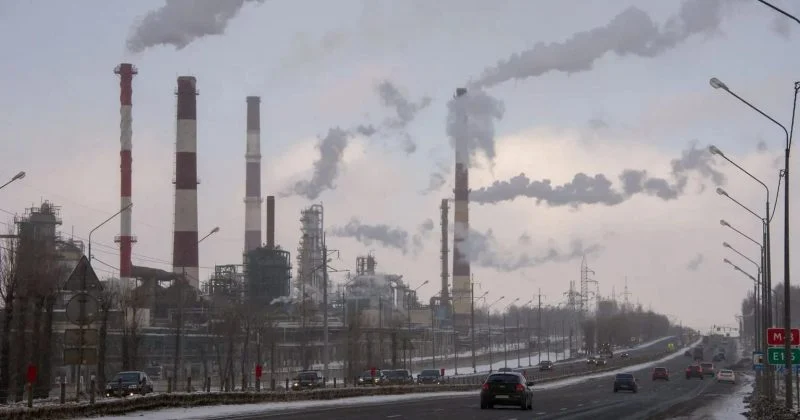
Ukraine’s recent strategic campaign against Russia’s energy sector has reportedly increased pressure on Moscow. This effort, involving long-range drone strikes, aims to degrade Russia’s ability to sustain its war effort. While the campaign highlights Ukraine’s tactical escalation, it also underscores the limited direct military involvement of NATO, which continues to supply Ukraine with weapons but refrains from engaging Russian forces directly. These developments have led to significant fuel shortages and logistical challenges within Russia, potentially impacting its military resolve.
Key Takeaways
The ongoing Ukrainian campaign appears to be consistent with efforts to weaken Russia’s military capacity by targeting its energy infrastructure.
Market pricing suggests a potential decrease in the likelihood of Russian forces entering Sloviansk by the end of 2026, reflecting the increased pressure on Moscow.
Despite the escalation, NATO’s role remains indirect, focusing on bolstering its eastern flank rather than engaging directly with Russian forces.