Academia
By offering the Myanmar junta an informal seat at the table without demanding accountability, ASEAN risks trading its diplomatic leverage for the hollow illusion of progress.
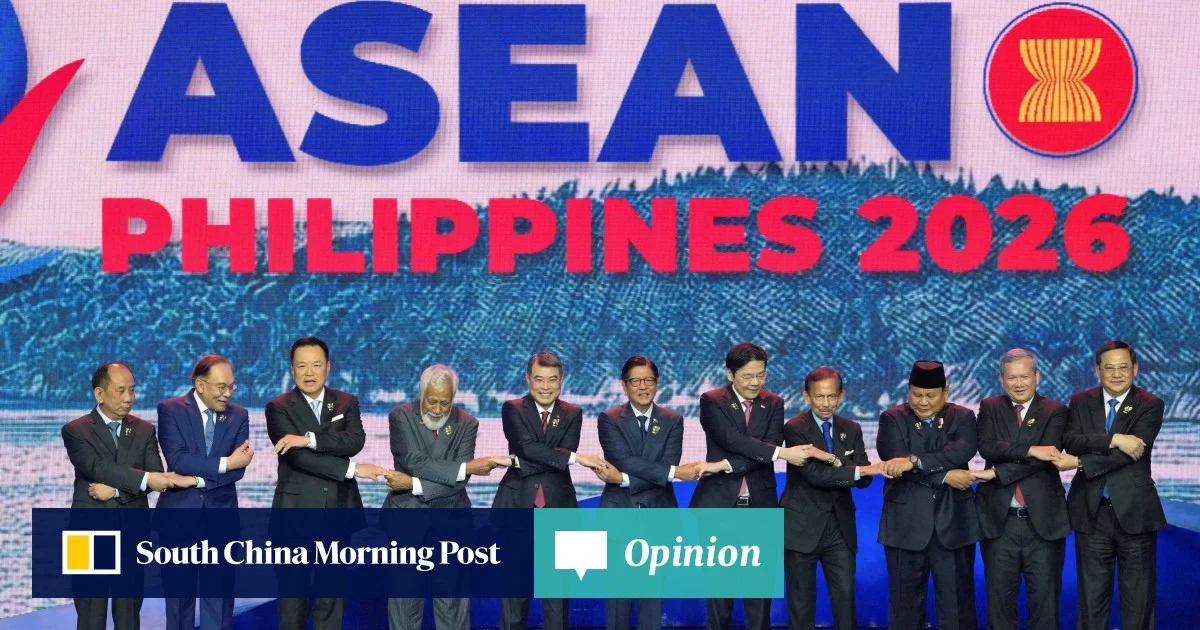
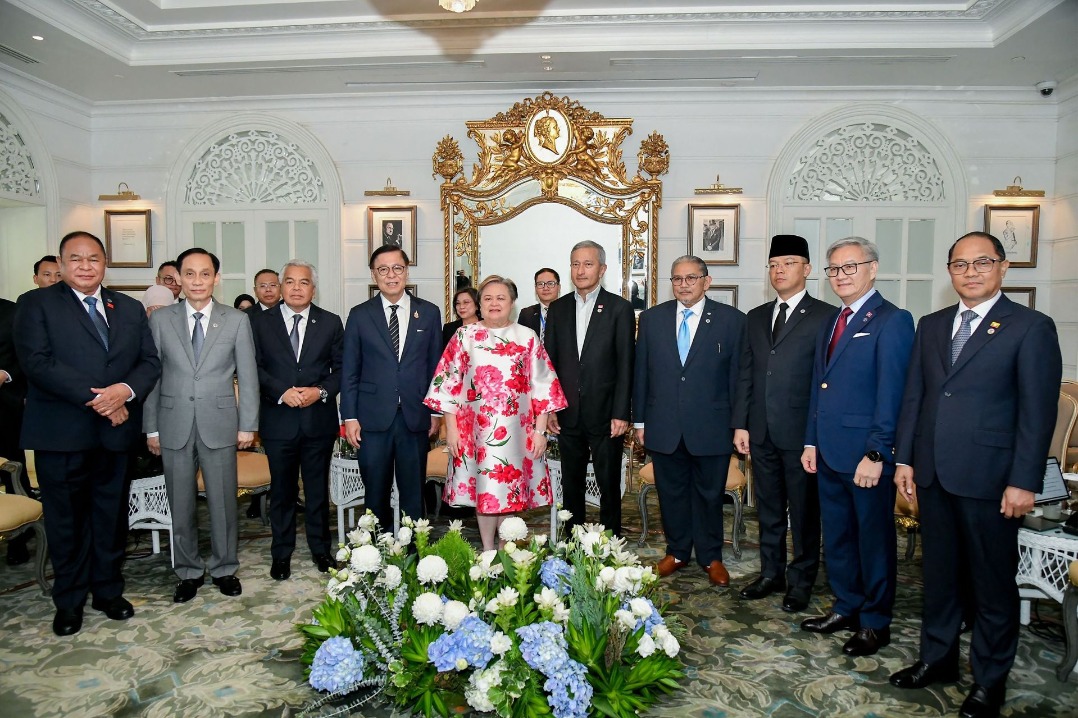
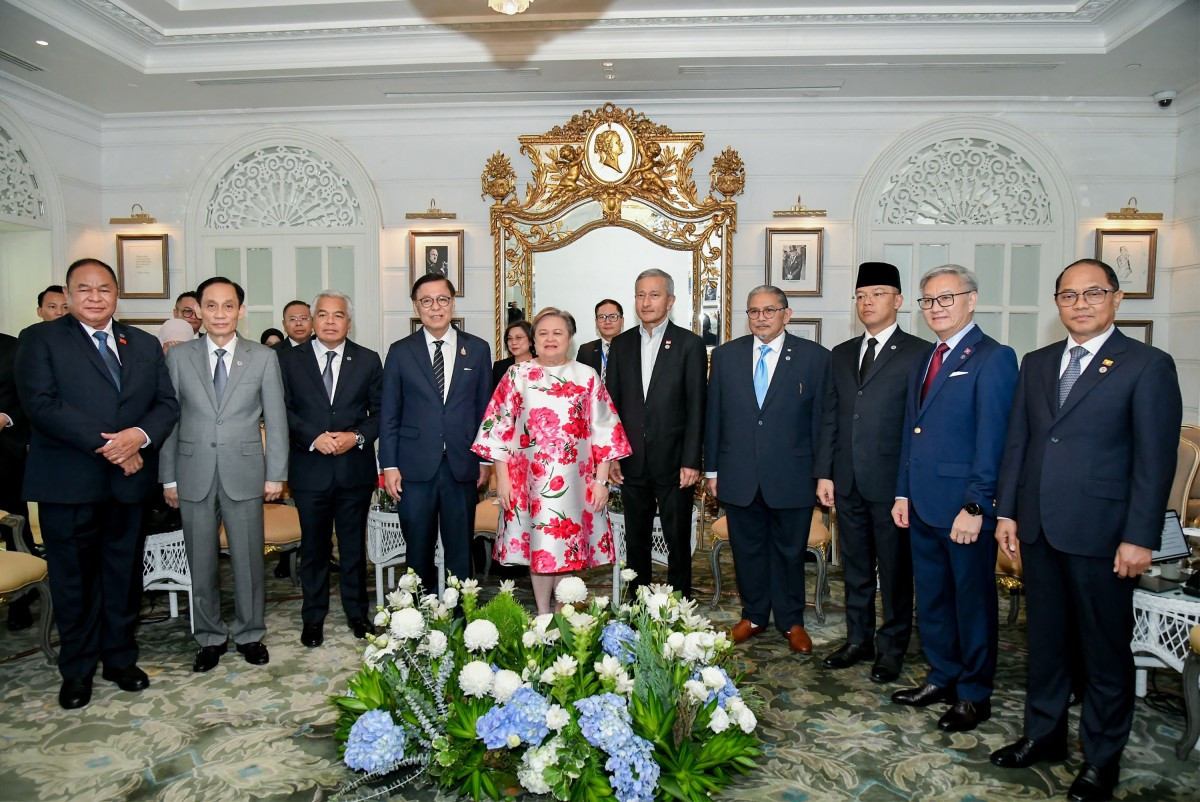
This handout photo taken and released by Thailand's Ministry of Foreign Affairs on July 12 shows (from left to right) Timor-Leste's Foreign Minister Bendito dos Santos Freitas, Vietnam's Foreign Minister Le Hoai Trung, Malaysia's Chief Secretary Shamsul Azri Abu Bakar, Thailand's Foreign Minister Sihasak Phuangketkeow, Philippines' Foreign Minister Maria Theresa Lazaro, Singapore's Foreign Minister Vivian Balakrishnan, Brunei's Foreign Minister Erywan Yusof, Indonesia's Foreign Minister Sugiono, Laos' Foreign Minister Thongsavanh Phomvihane and Myanmar's Foreign Minister U Tin Maung Swe posing for a photo during an informal meeting with ASEAN Foreign Ministers in Bangkok. (AFP/Thailand's Foreign Ministry/handout)
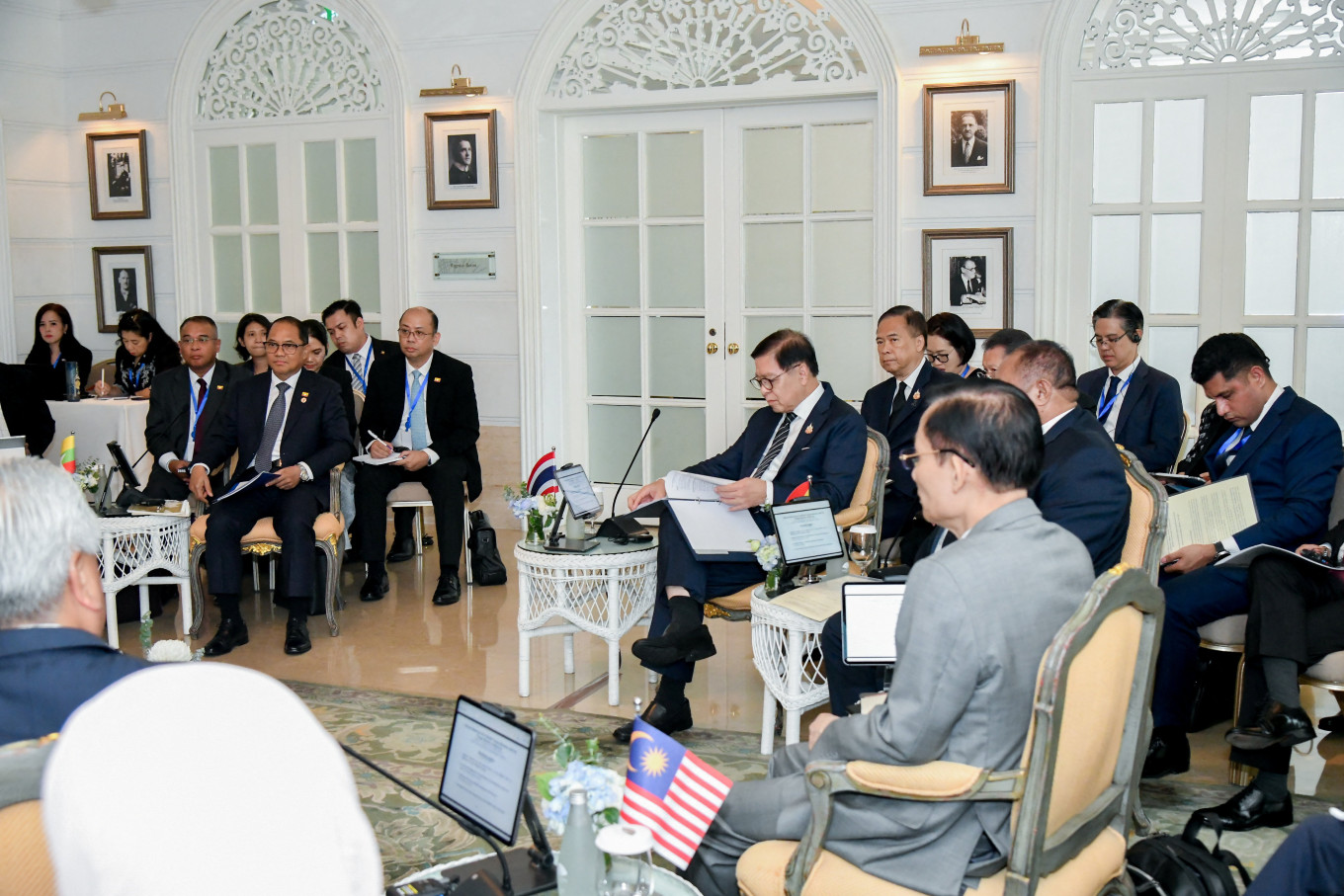
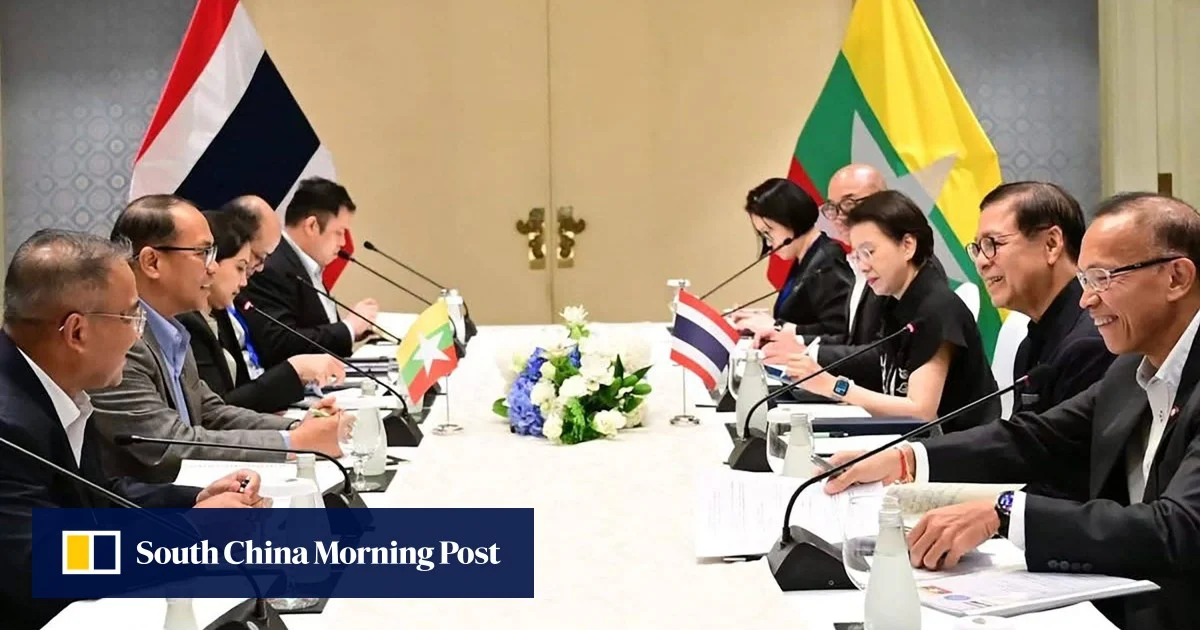
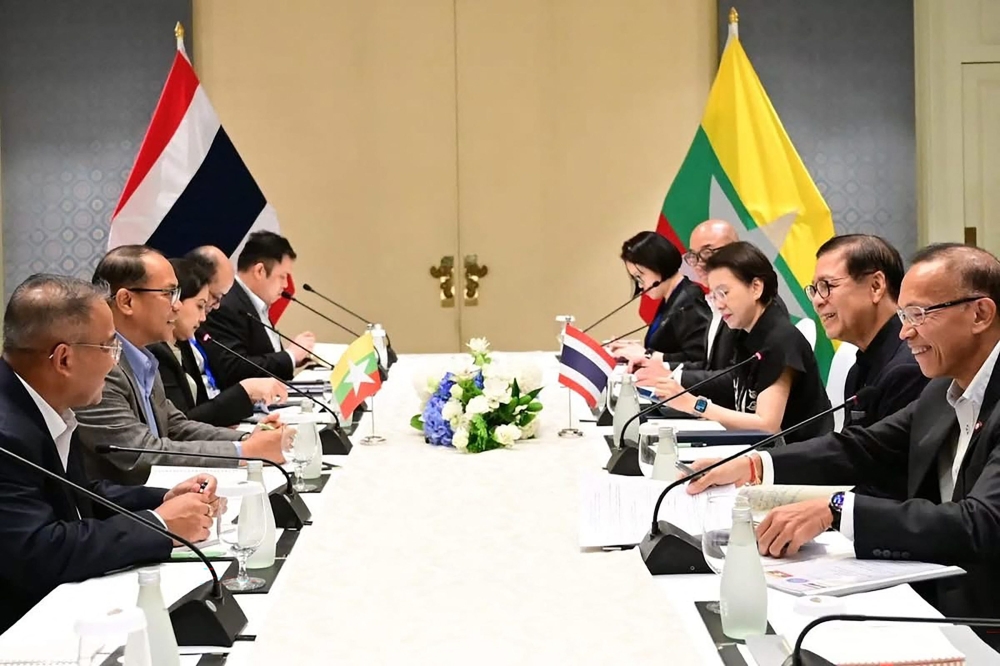
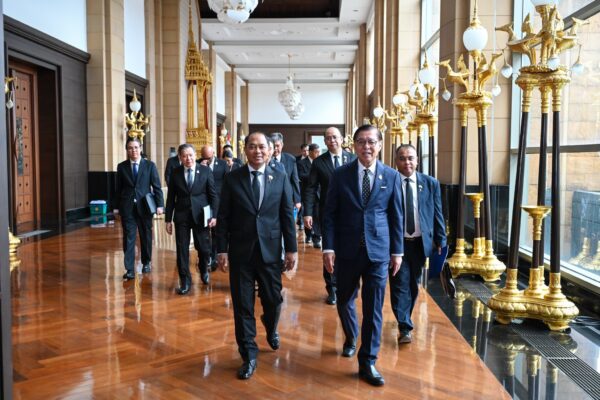
About a week before the 59th ASEAN Foreign Ministers’ Meeting (AMM) in Manila, Thailand hosted an informal consultation between ASEAN foreign ministers and Myanmar’s junta-appointed Foreign Minister, U Tin Maung Swe. Held in Bangkok on July 12, the meeting marked the first face-to-face engagement between ASEAN foreign ministers and Myanmar’s top diplomat since the bloc excluded junta leaders from high-level meetings following the 2021 coup of a democratically elected government.Although Thailand hosted the consultation, the meeting was convened by the Philippines in its capacity as the 2026 ASEAN chair. Manila has sought to frame the process as an ASEAN-led effort to revive the stalled Five-Point Consensus (5PC), while Thailand has positioned itself as a diplomatic facilitator rather than the driver of a policy shift.