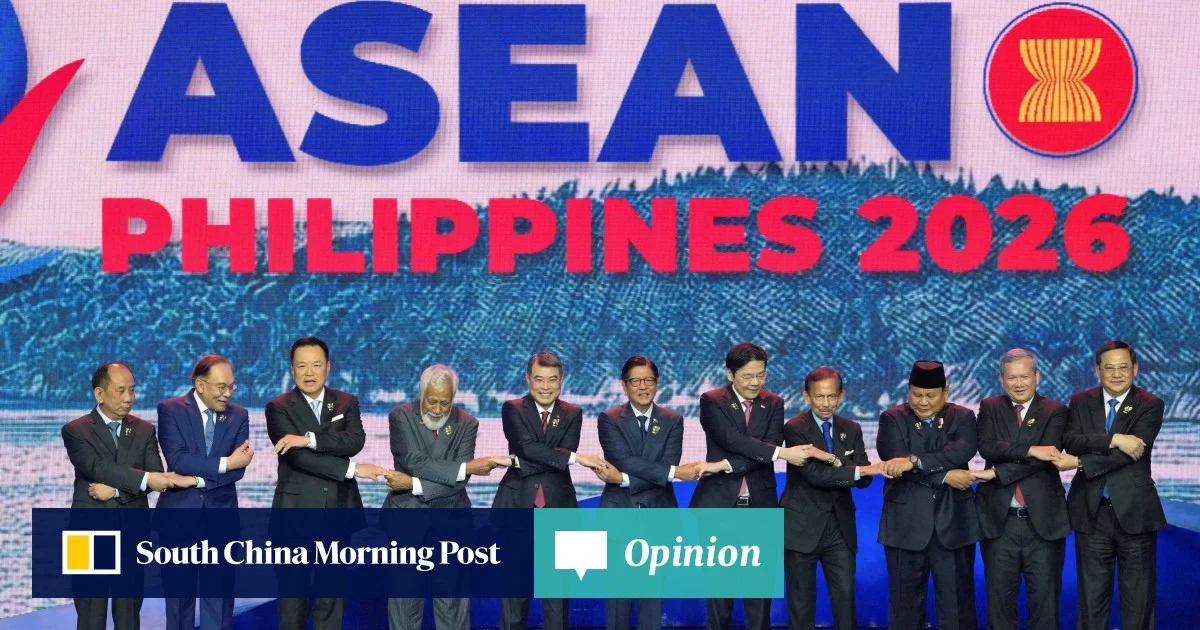
There is some consolation in that under the Philippines as ASEAN Chair in 2026, Myanmar is still excluded from participation in political-level ASEAN meetings. How long this can hold in the face of lobbying from some ASEAN members for a more accommodationist stance remains to be seen.
For now, the familiar split between the maritime and mainland Southeast Asian states appears to be impeding tougher measures on Myanmar while preventing it from being brought back into the fold.
Regardless, external powers are now moving to reengage with the regime in Myanmar in ways that even the accommodationists within ASEAN would avoid. China, India and Russia are lending the now-superficially civilianised regime a legitimacy that ASEAN has tried to withhold since it became clear that the generals in Naypyidaw were not at all interested in implementing their end of the 2021 ‘Five Point Consensus’.
For China and India, seeking geopolitical advantage in Myanmar counts for more than their interest in respecting ASEAN’s institutional stance. Min Aung Hlaing met with Prime Minister Narendra Modi in New Delhi on 1 June 2026 during a five-day visit — the general’s first overseas visit as president since the junta’s 2025–26 sham elections. A similar state visit to Beijing is likely only a matter of time.