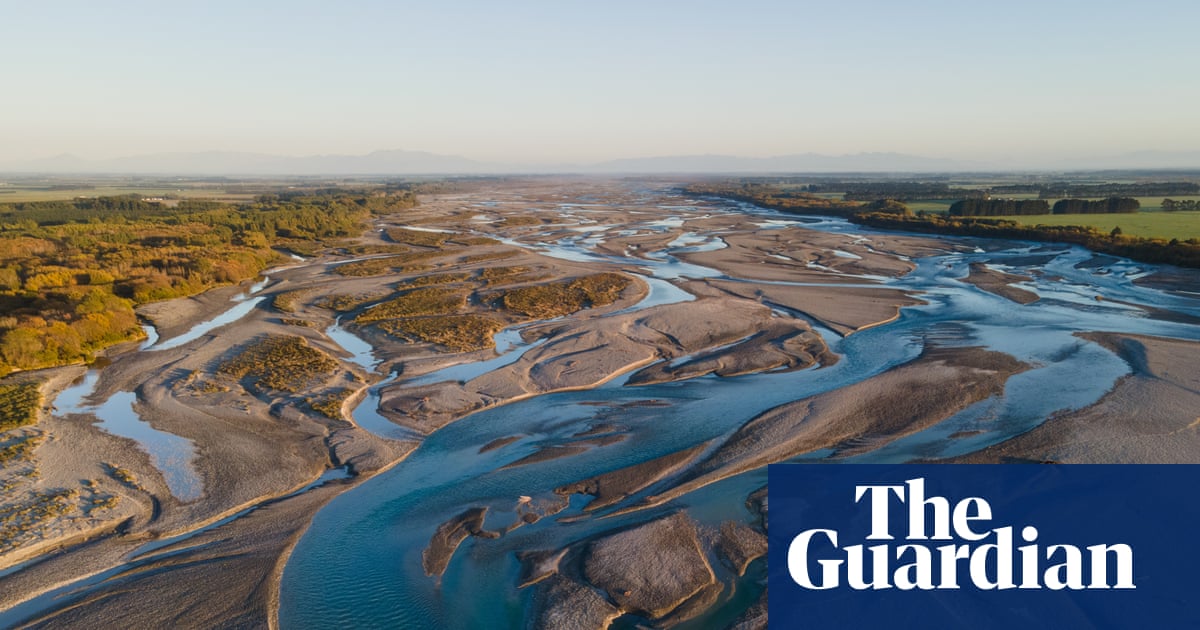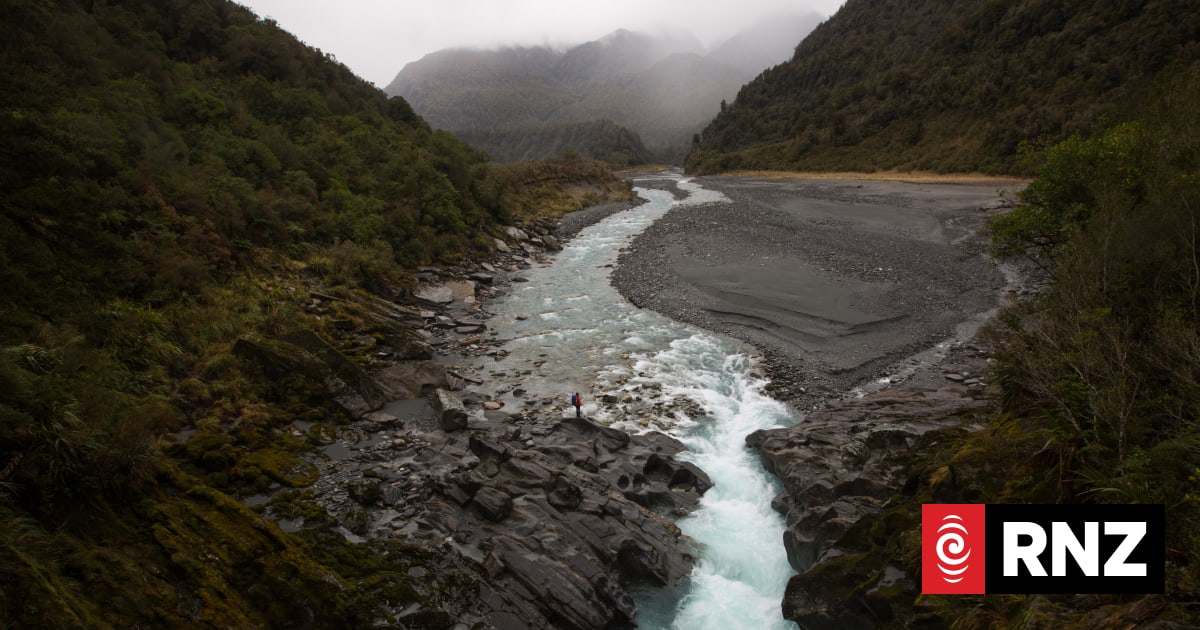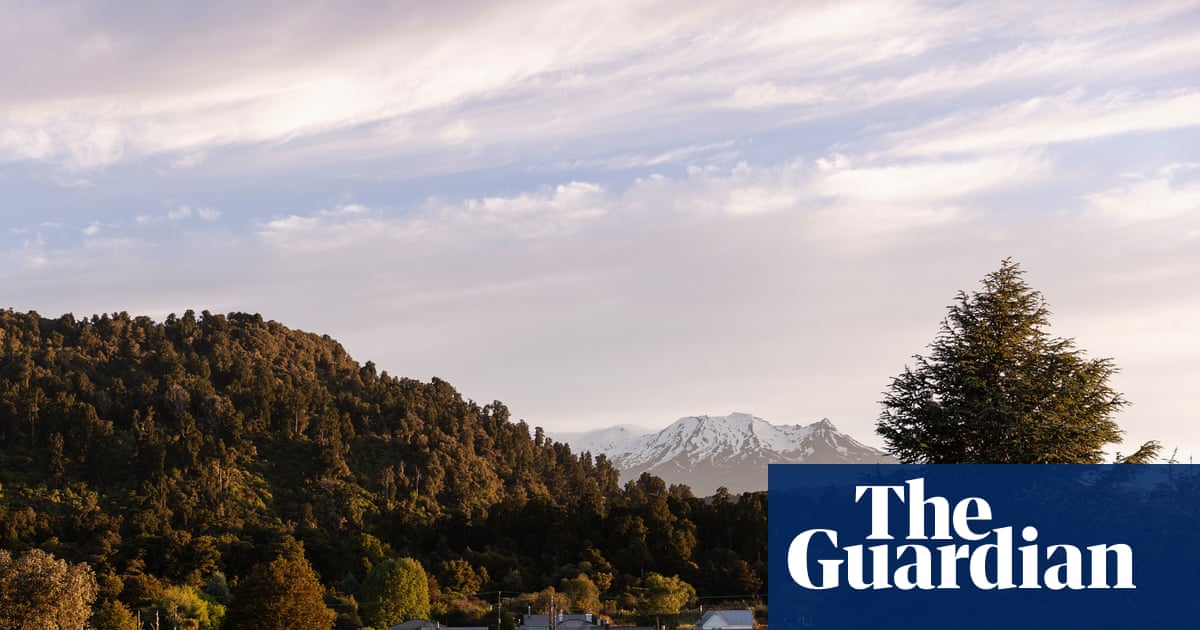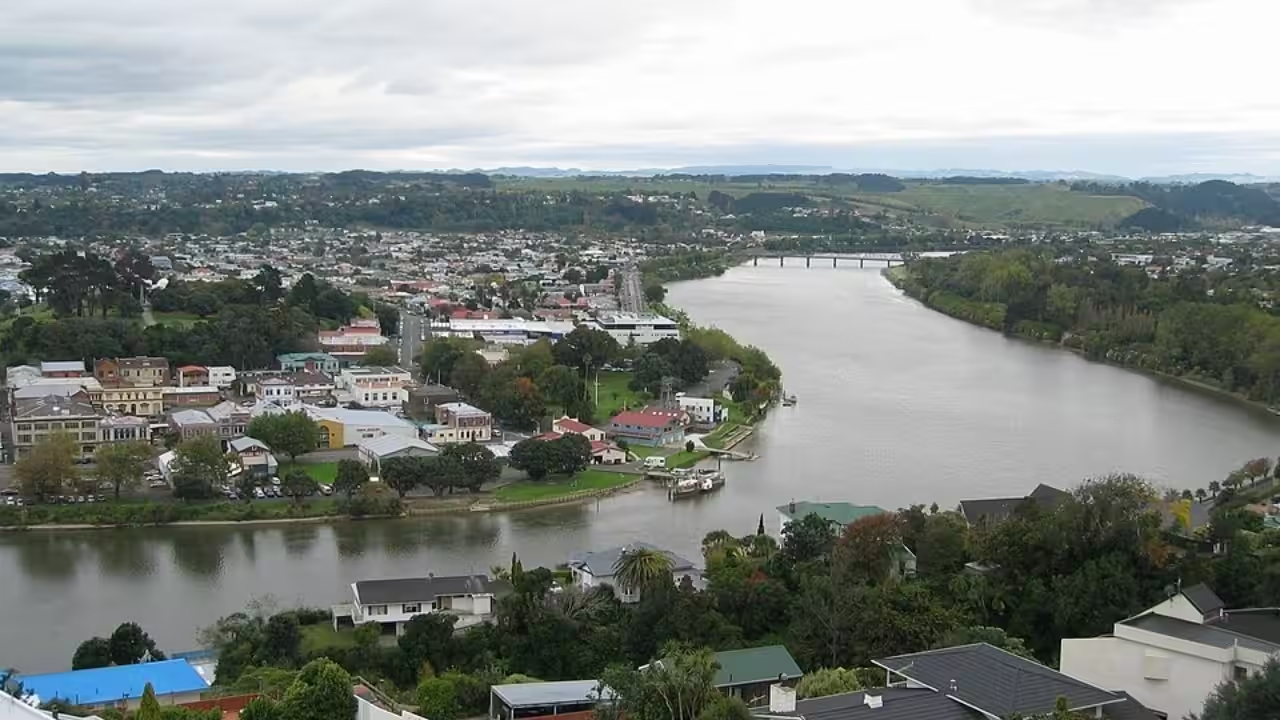
Whanganui river in New Zealand. Image credits: Wikimedia CommonsFlowing for nearly 290 kilometres from the Mount Tongariro slopes to the Tasman Sea, the Whanganui River is one of New Zealand’s longest and culturally significant rivers. According to the BBC, for centuries, the river has sustained Whanganui Māori communities, serving as a source of food, transport and spiritual identity. However, in March 2017, the river became globally significant for a different reason, as New Zealand formally recognised the river as a legal person, thus concluding decades of legal and political efforts by the Whanganui tribes to have their ancestral connection with the river legally recognised. According to the Te Awa Tupua Act 2017, the legislation recognises the river as “an invisible and living whole” rather than a resource owned by any individual or the state.The law recognises the Māori worldviewThe BBC report shared that the Whanganui Māori have lived alongside the flowing river for at least 880 years, that is, more than 700 years before the European settlers arrived and have relied on the river for much of their food, travelled it by canoe and built villages on its banks. Notably, the community’s worldview is captured in their traditional saying, “I am the river, the river is me,” reflecting their belief that humans and waters are intertwined. The 2017 Act establishes Te Pou Tupua, which is two guardians appointed jointly by the Crown and the Whanganui tribe, to represent the river’s interests. Thus, rather than transferring ownership, the act gives the river its own identity, allowing its guardians to act on its behalf in legal matters. Furthermore, the act also allows the river to hold property, participate in legal proceedings and have its interests defended if threatened by any harmful activities.Whanganui river in New Zealand. Image credits: Wikimedia CommonIt is worth noting that the legal recognition followed one of New Zealand’s longest-running Treaty settlement processes. After the Treaty of Waitangi was signed in 1840, disputes over ownership and management of the river emerged, eventually prompting Whanganui Māori to seek legal recognition for their relationship with the waterway. BBC noted that the legal battle lasted more than 160 years and eventually resulted in a settlement that acknowledged both the historical and cultural significance without assigning ownership of the river to either government or the tribe. Instead, the legislation introduced a governance model centred on protecting the river’s health and wellbeing.The legal idea behind the environmental personhoodThe idea that nature should have its own legal rights predates the Whanganui settlement by several decades. American scholar Christopher D. Stone, whose 1972 article Should Trees Have Legal Standing? helped shape today’s environmental laws, suggested that natural entities should have a legal standing independent of human interests. Notably, in New Zealand, this concept was further developed by Māori legal scholars James Morris and Jacinta Ruru, whose paper Giving Voice to Rivers argued that giving recognition to rivers as legal persons reflects their tribe’s tradition better while also strengthening environmental governance.Following the legal recognition, BBC reported that the Whanganui River became an international reference point for environmental law. Notably, the Uttarakhand High Court in India also declared the Ganges and Yamuna rivers legal persons; however, the ruling was later stayed by the Supreme Court of India. Bangladesh, meanwhile, granted legal rights to all rivers in the country in 2019 to strengthen protections against pollution and encroachment, as reported by the International Union for Conservation of Nature. The Whanganui model has influenced legal and academic discussions on the rights of nature across the world.
In 2017, New Zealand recognised the 290km Whanganui River as a legal person, ending a 160-year Māori legal fight and giving guardians power to act for it in court
Flowing for nearly 290 kilometres from the Mount Tongariro slopes to the Tasman Sea, the Whanganui River is one of New Zealand’s longest and culturally significant rivers. According to the BBC, for centuries, the river has sustained Whanganui Māori communities, serving as a source of food, transport and spiritual identity.
586 words~3 min read