Ruapehu is emblematic of question facing New Zealand: how to prevent rural regions – and the country at large - from hollowing out
For generations, two centres of gravity in New Zealand’s central Ruapehu region had enough pull to entice people to the area and keep them there: the mountains and the mills.
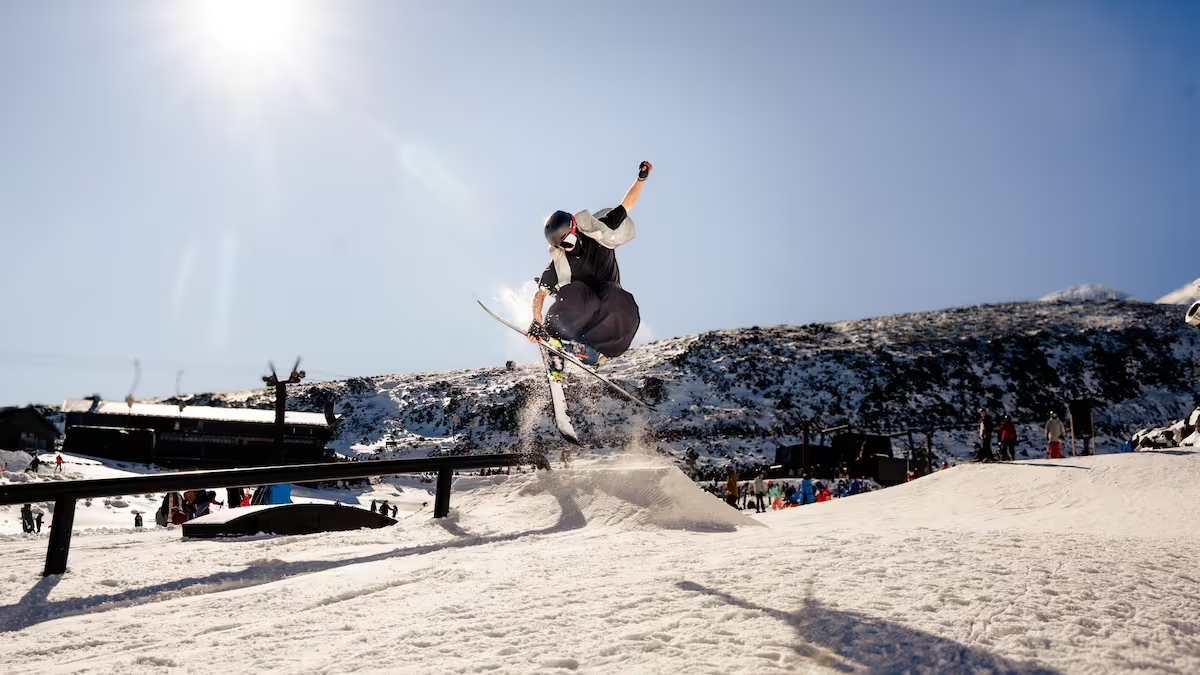
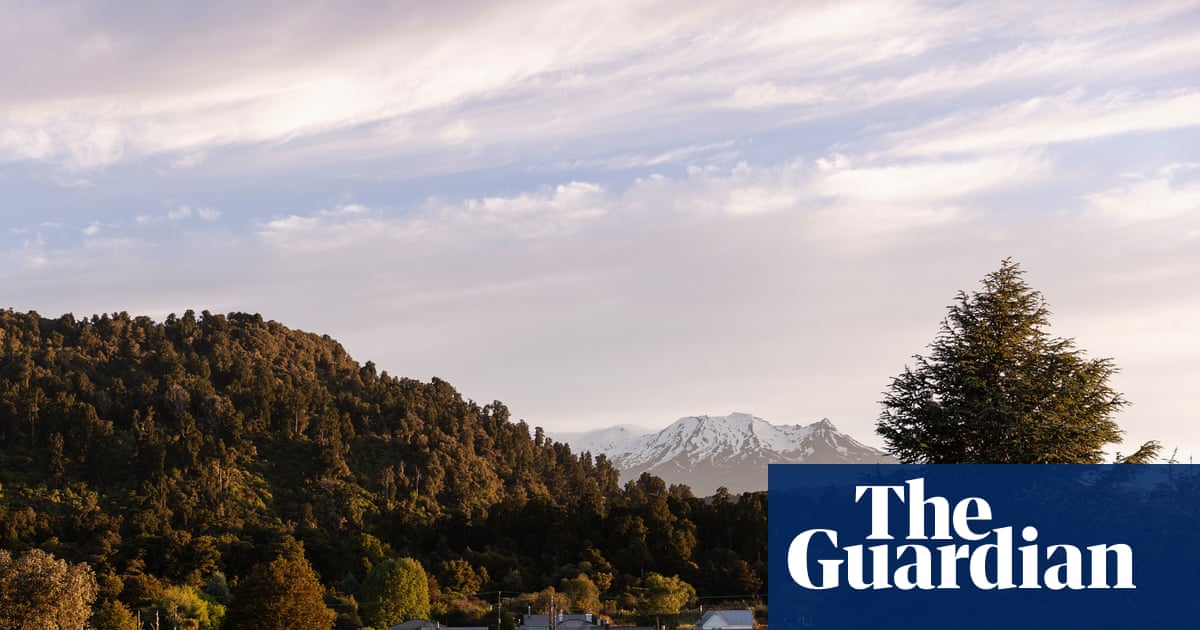
Mount Ruapehu, the country’s largest active volcano, lured people to its snowy slopes for work and play, while the local mills – run by the region’s largest employer, Winstone Pulp International – kept generations of families in employment.
Then, those behemoths lost their grip, and with it Ruapehu became emblematic of a pressing question facing New Zealand: how to prevent some rural regions – and the country at large – from losing people as residents pack up and seek new lives elsewhere.
In Ruapehu, the decline came after global warming disrupted the mountain’s snow, leading to shorter seasons and worker layoffs. Further jobs were lost when the Chateau Tongariro hotel shut its doors in 2023, after nearly 100 years in operation. The earthquake-prone building now sits in limbo in the shadow of the mountain.