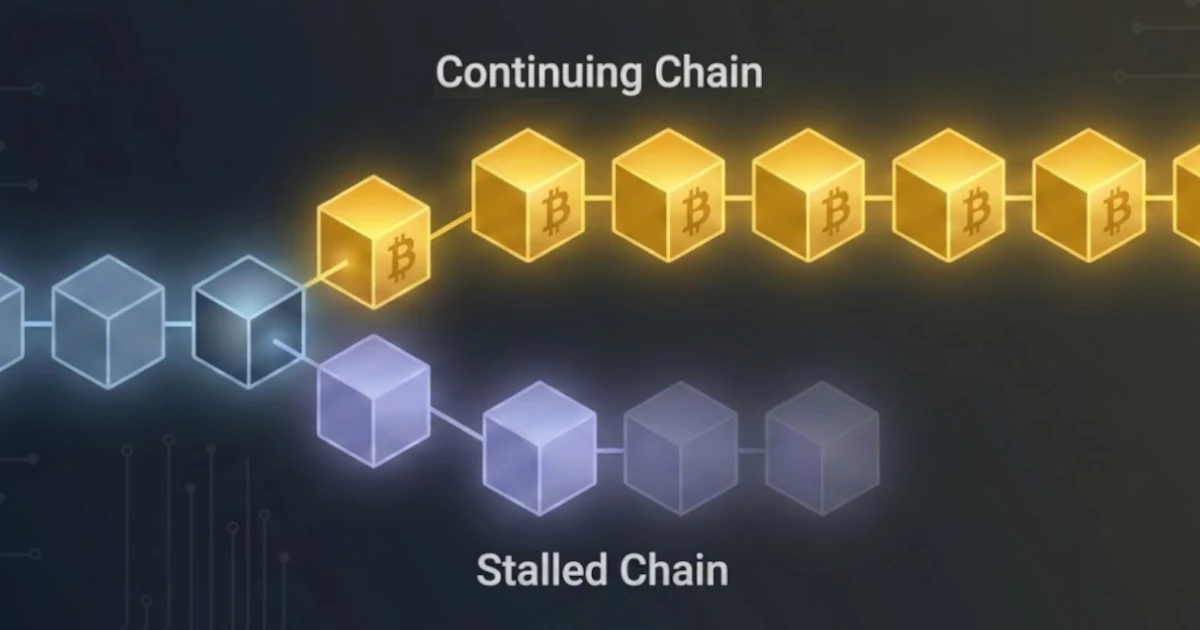
Bitcoin is having another one of its family arguments, and this time it’s about what kind of data belongs on the blockchain. BIP-110, a proposed soft fork that would restrict non-financial data in Bitcoin transactions, is heading toward its mandatory signaling phase in early August with almost no miner backing and a community split that echoes the nastiest governance fight in Bitcoin’s history.
Miner support for BIP-110 has hovered between 0.3% and 0.4% since signaling began on December 1, 2025. To put that in context, the proposal needs 55% miner support for early lock-in. It’s not even in the same zip code.
What BIP-110 actually does
Authored by developer Dathon Ohm, BIP-110 would constrain the storage of non-monetary data on Bitcoin’s blockchain for roughly one year. The proposal would grandfather existing data already on-chain. It’s not trying to erase history, just change the rules going forward, at least for about 12 months.
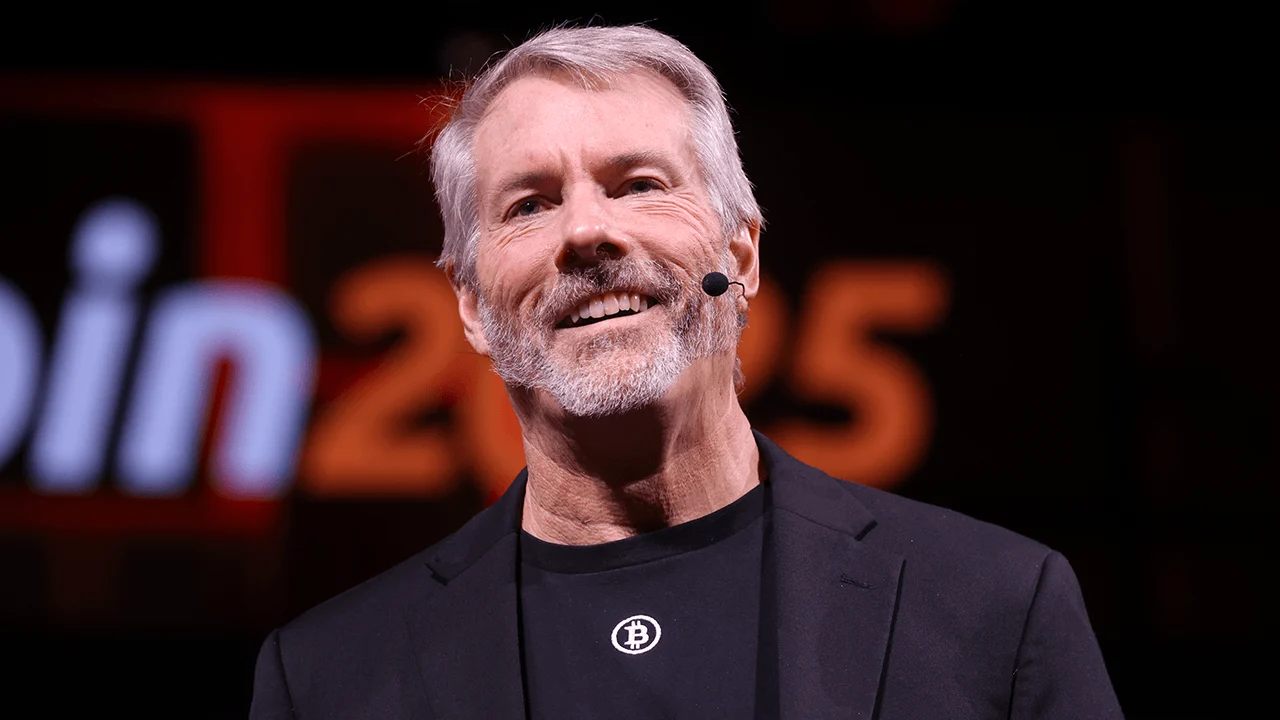
Opponents see it very differently. Blockstream CEO Adam Back and MicroStrategy founder Michael Saylor have both pushed back against BIP-110, viewing it as a dangerous consensus intervention. Their argument boils down to a philosophical point: Bitcoin’s strength comes from its resistance to top-down rule changes, and restricting what kinds of transactions are “allowed” sets a precedent that could be weaponized later.