Published to Dev.to — Bitcoin Development Series, Part 1 of 4_
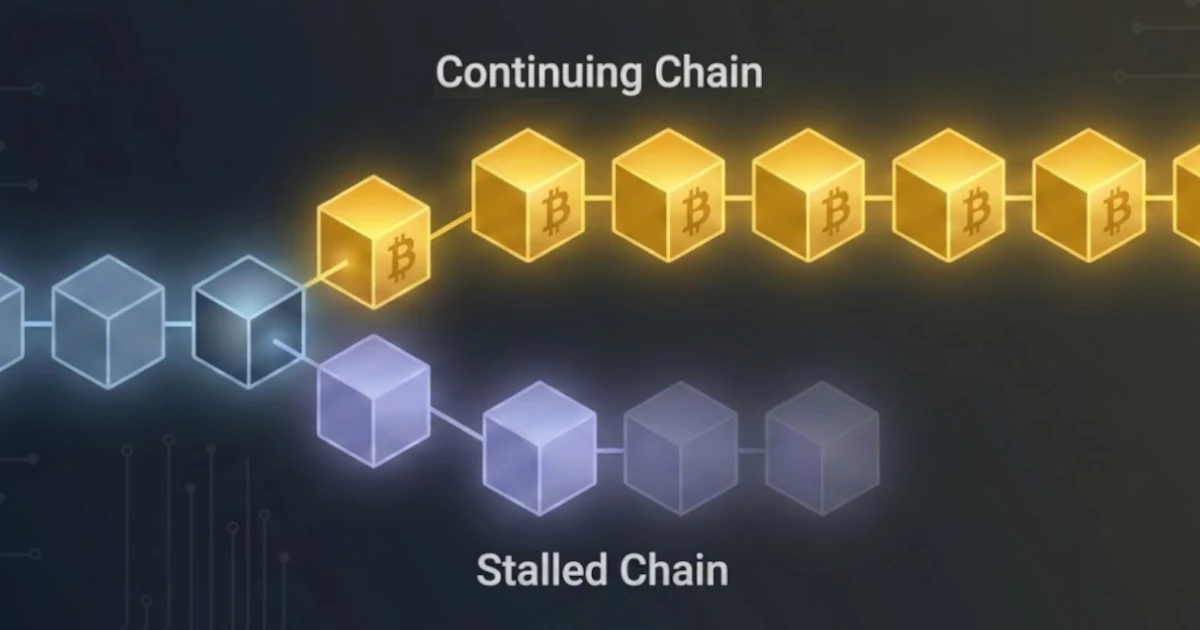
Bitcoin is heading toward an August 2026 deadline for BIP-110, a proposed temporary softfork that would restrict Ordinals-style arbitrary data from being embedded in transactions for one year. As of today, miner signaling sits at effectively zero. The proposal is almost certainly going to fail but the mechanics of why and how are worth understanding if you work anywhere near the Bitcoin protocol.
This post walks through how soft fork activation works, what BIP-110 specifically proposes, and how to inspect miner signaling yourself with code.
What Is a Soft Fork?
A soft fork is a backward-compatible change to Bitcoin's consensus rules. Nodes running old software still accept blocks from nodes running the new rules — but not vice versa. This is what makes soft forks safer than hard forks in a permissionless network: you do not force everyone to upgrade on day one.