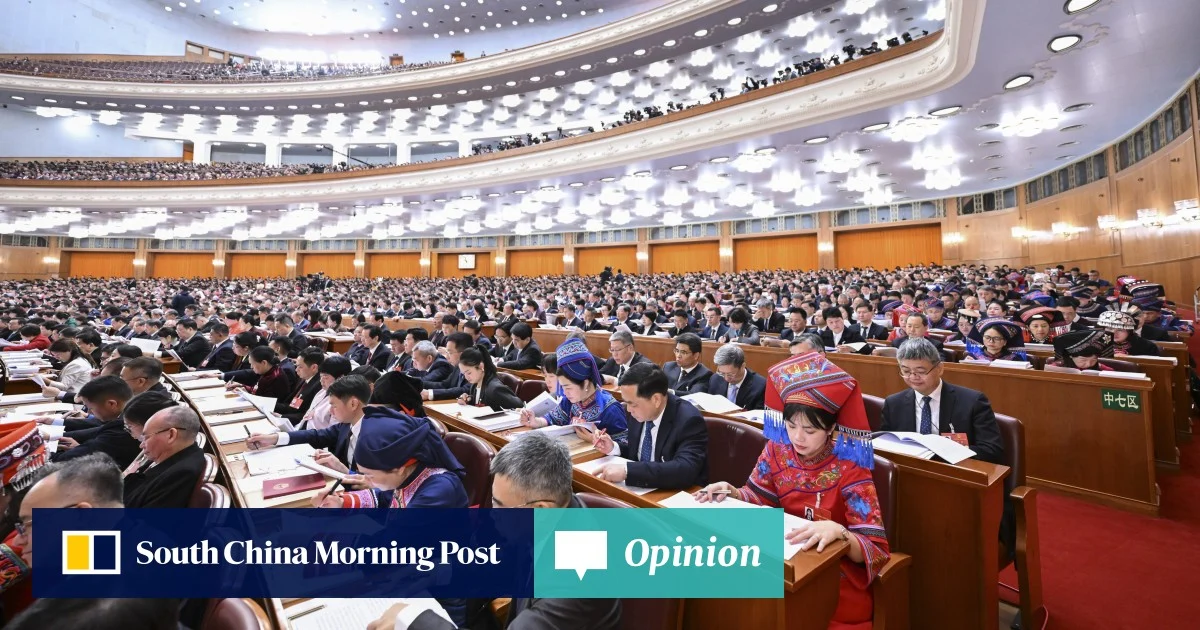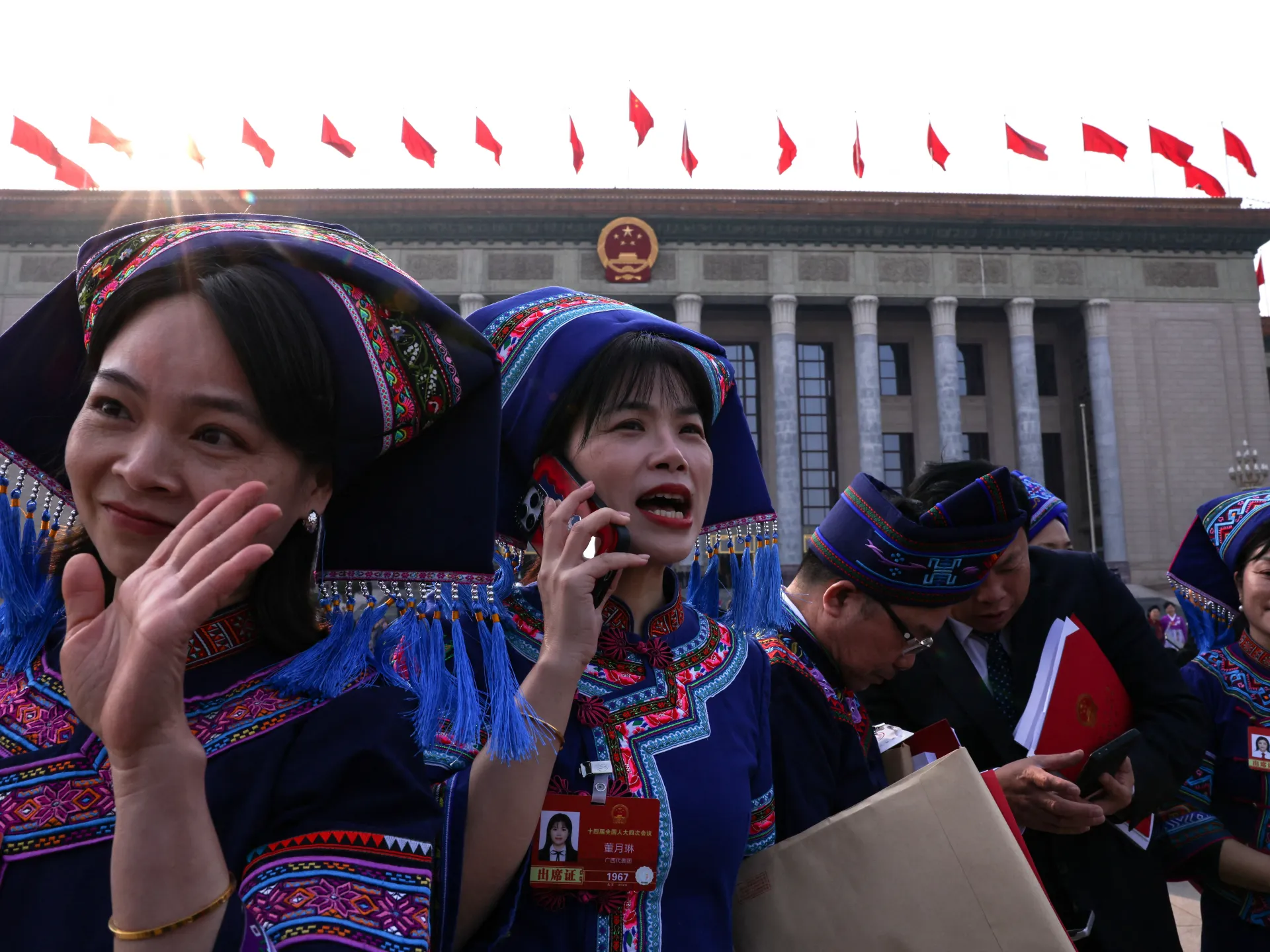
One of the pieces of legislation passed at China’s annual National People’s Congress in March and which came into effect on July 1 was the “Law on Promoting Ethnic Unity and Progress.” Unsurprisingly for China’s rubber-stamp parliament, the law passed by a vote of a whopping 2,756 to 3, plus three abstentions. But it would be a mistake to discount the bill as mere political theater. As a “basic law” (meaning it was passed by the full Congress, not just that body’s Standing Committee), it holds the highest possible legislative status.
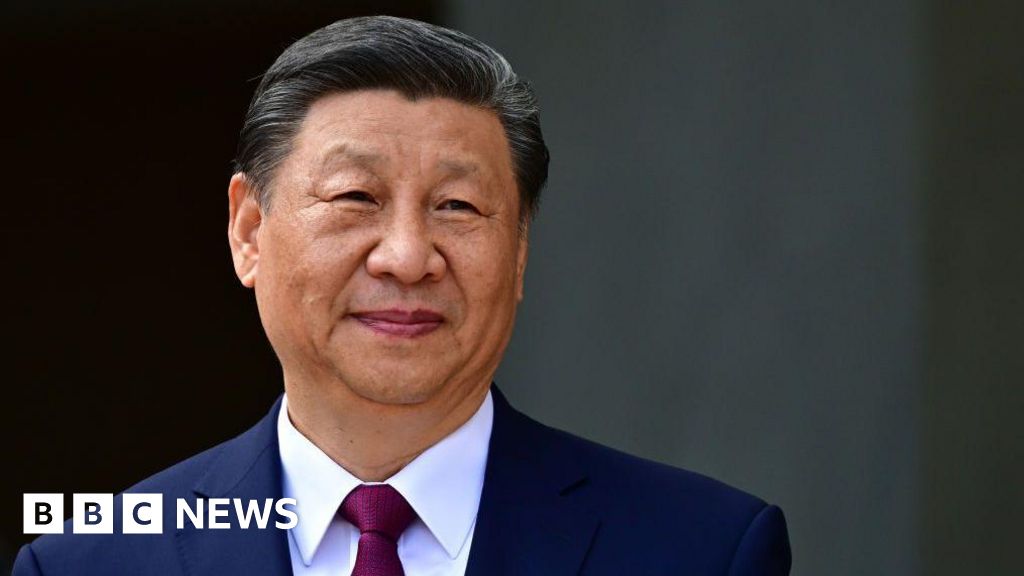
It is also a signature achievement of President Xi Jinping, who, more than any other Chinese leader, has articulated a vision of a homogenized ethnic future, one summed up in his preferred metaphor for the country’s diverse ethnic groups, which he has repeatedly said should be “tightly packed like pomegranate seeds”—that is, small, similar, and red.
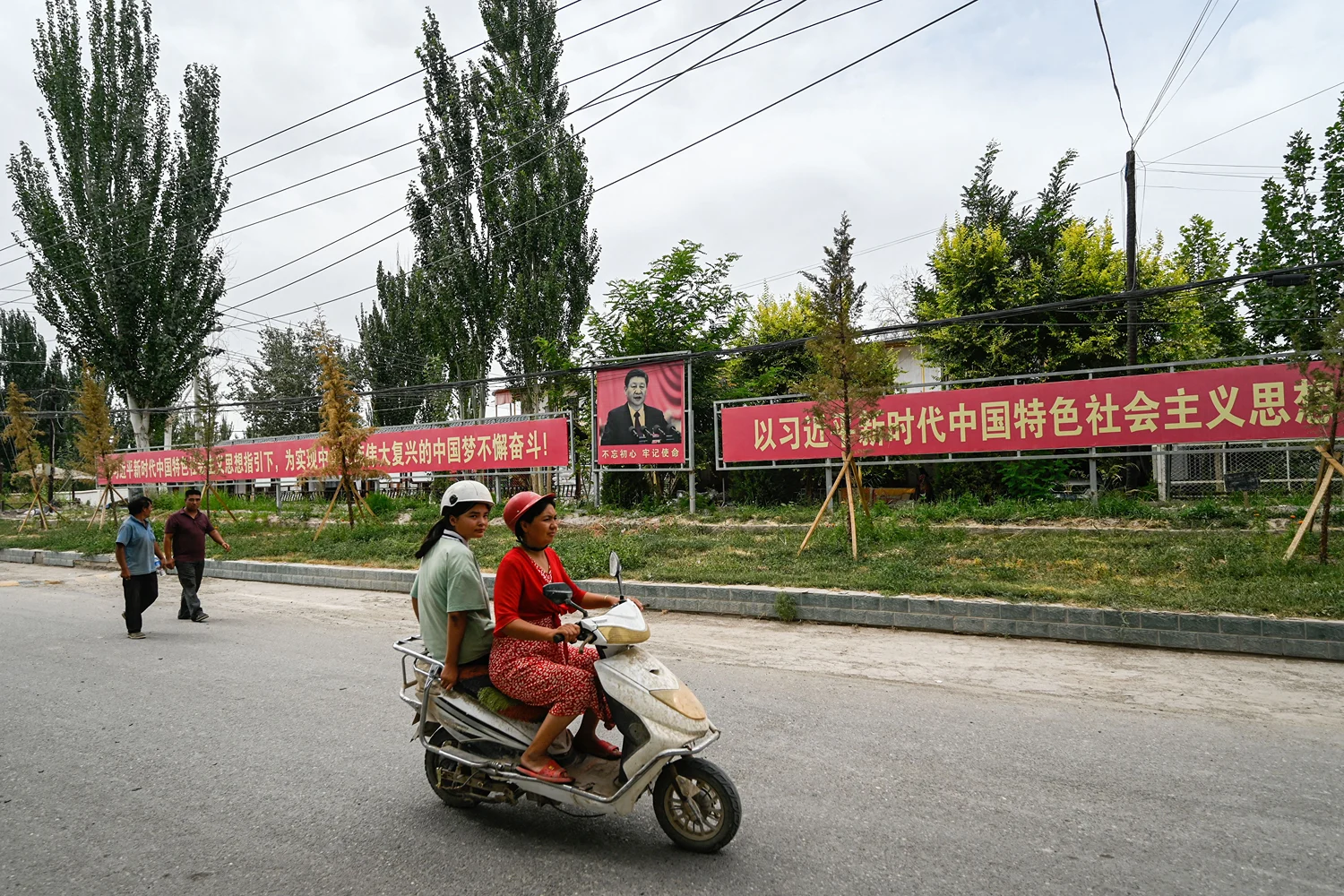
The new law is the strongest signal yet that Xi plans to intensify an already fraught project of national integration and bring to bear the full resources of the state to do so, from media and the education system to tourism and migration management. Yet beneath the confidence conveyed in the law’s grandiose claims is more than a hint of anxiety about persistent problems in ethnic policy—problems that this law may well make worse.