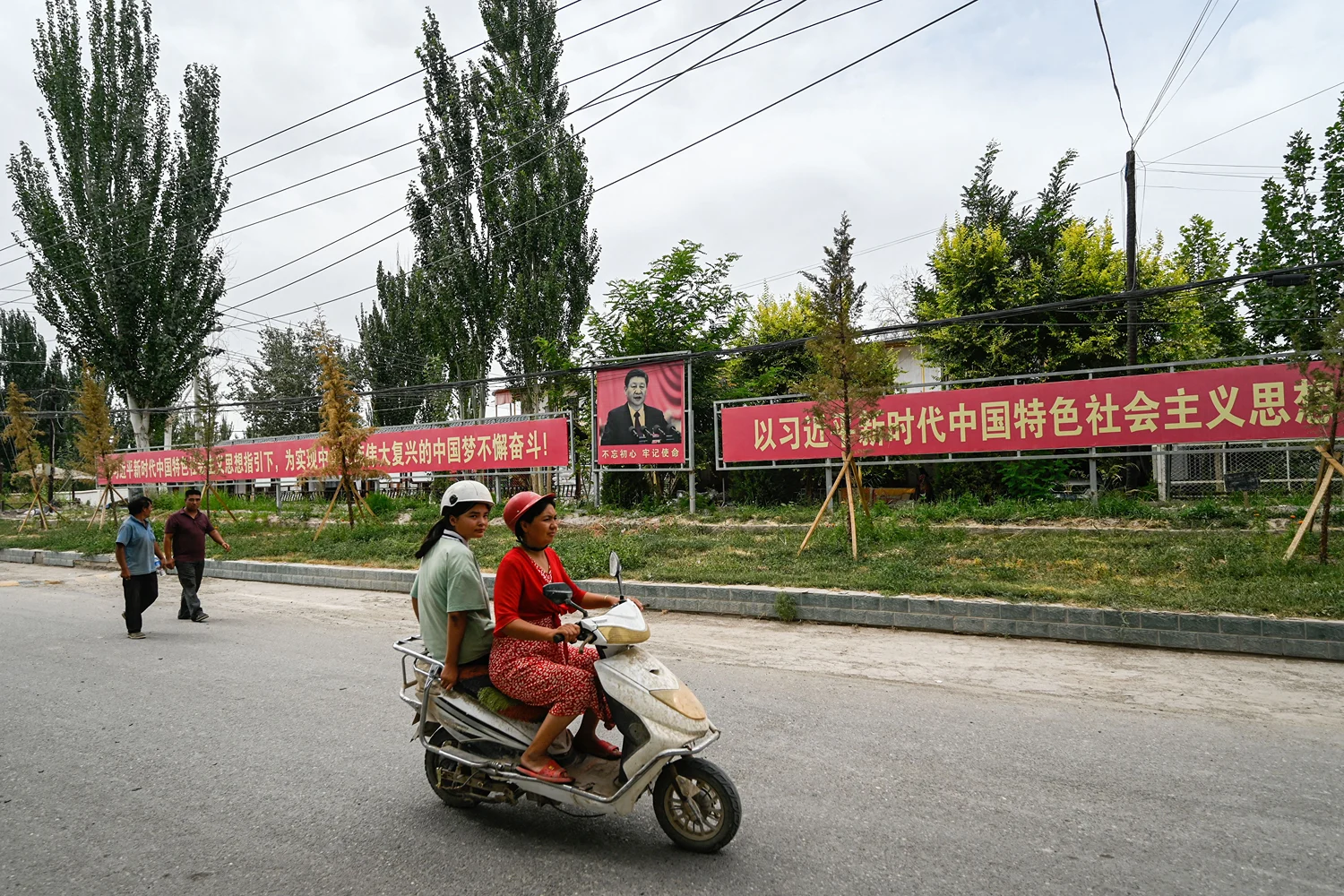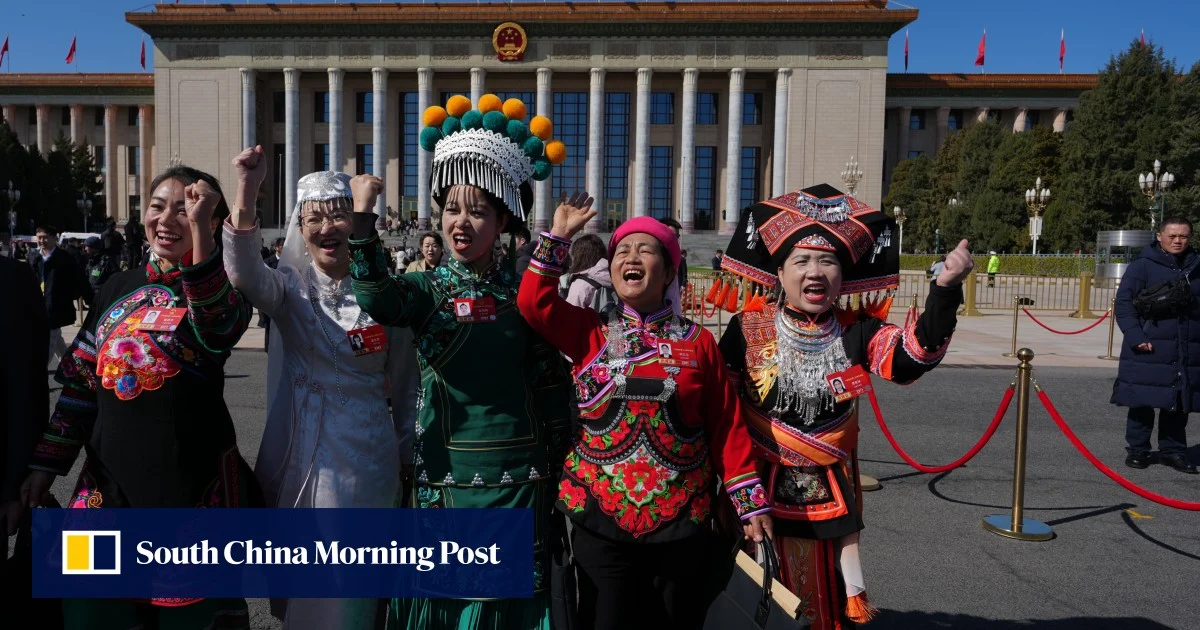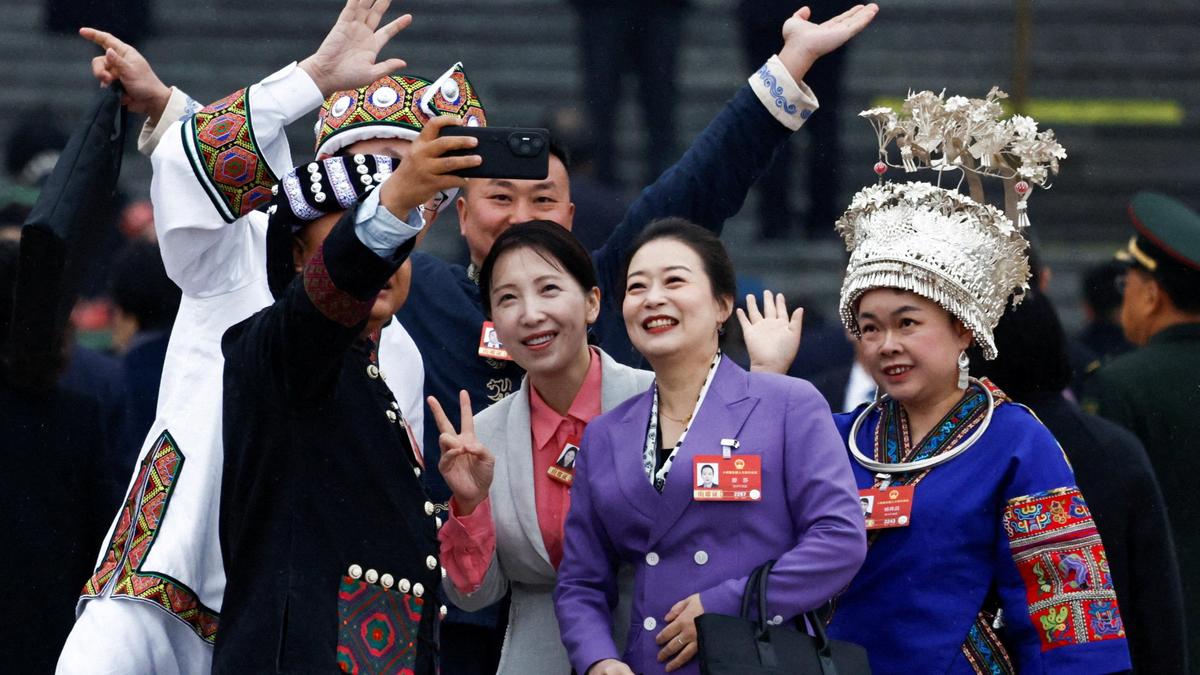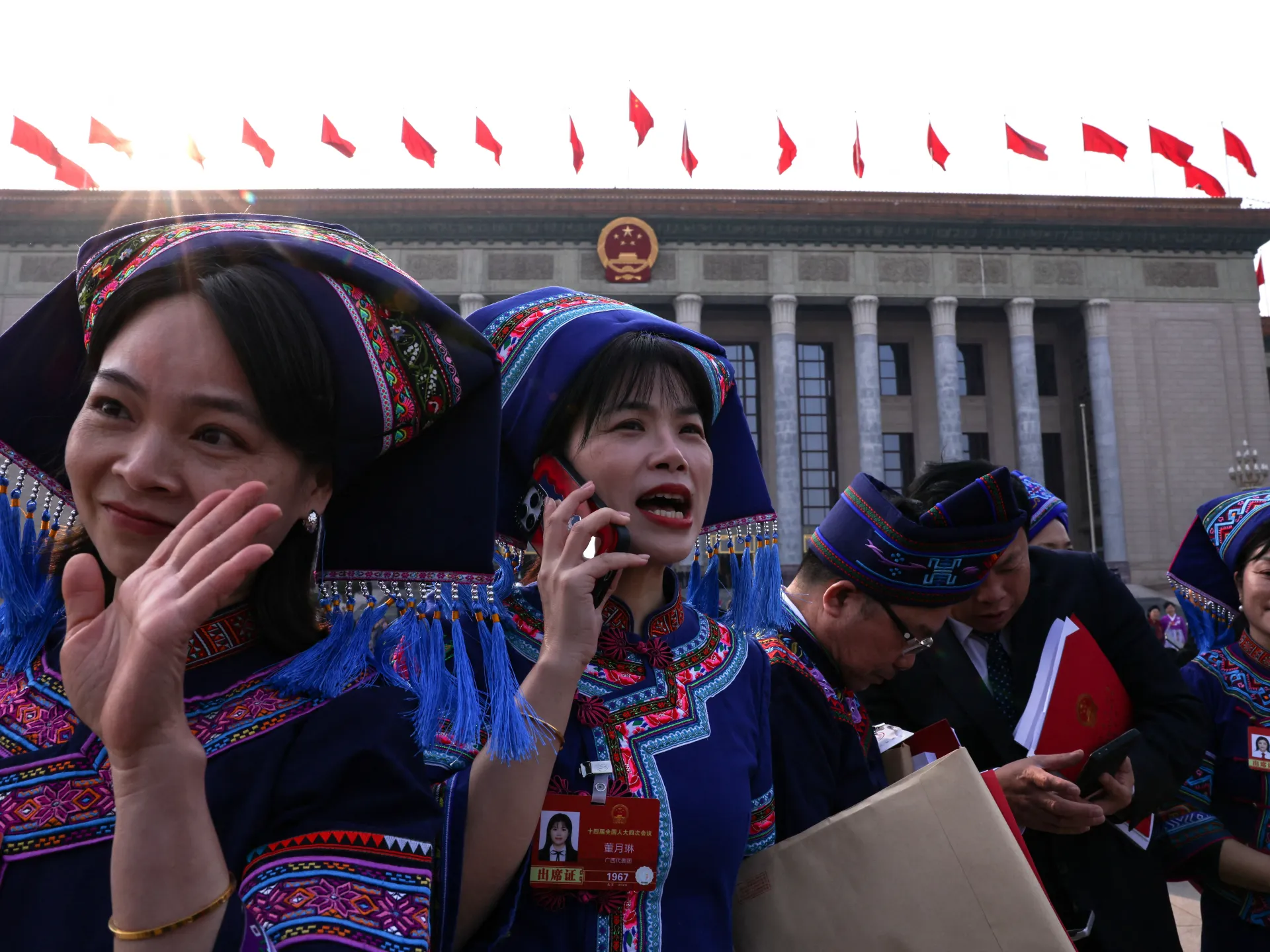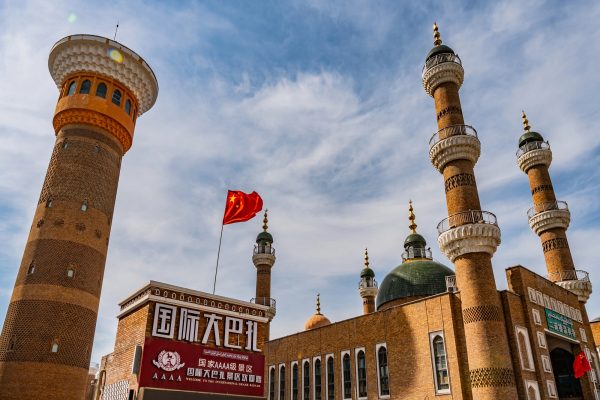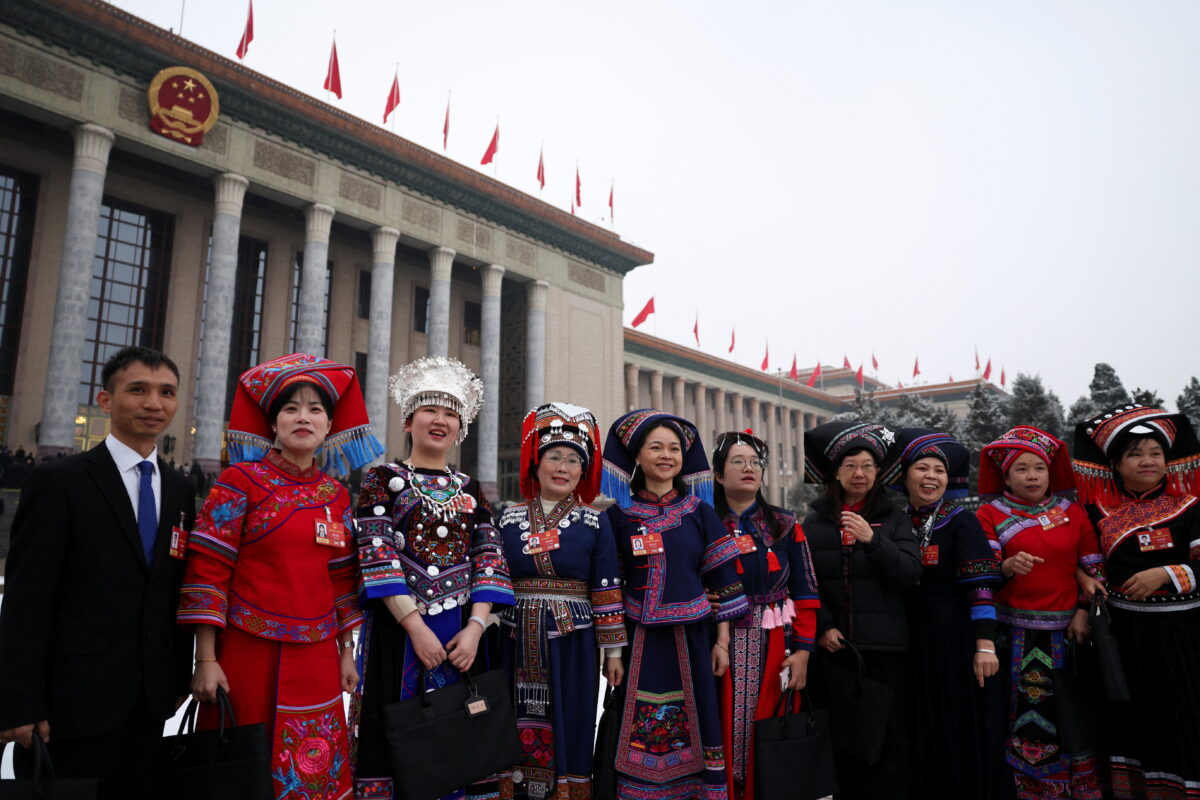
On 12 March 2026, China’s National People’s Congress adopted the Law on Promoting Ethnic Unity and Progress. The statute represents the highest legal expression to date of China’s ongoing shift towards a more assimilationist model of national integration.
When the People’s Republic of China was established in 1949, it claimed sovereignty over most of the former Qing empire’s territory — and with it, authority over a diverse collection of peoples whose presence in their homelands long predated either polity. The Chinese Communist Party (CCP) classified the population into 56 ethnic groups, defining more than 90 per cent of the population as Han.
Recognising that a Han-dominated polity owed its non-Han peoples some institutional means to influence their own governance, the Party established a complementary system of ‘regional ethnic autonomy’, including areas like Tibet, Xinjiang and Inner Mongolia. This was a retreat from earlier promises in the 1931 Chinese Soviet Republic Constitution, released by the CCP before it became China’s ruling authority, which gave these peoples the right to secede and form independent states.
Fidelity to the autonomy promise has long fluctuated, but a significant shift in attitudes towards it gained political traction after episodes of interethnic unrest and violence in the late 2000s and early 2010s. Beijing attributed these events primarily to religious extremism, foreign interference and separatism — though international scholars tend to foreground grievances over Han settlement, economic and political marginalisation and the erosion of promised autonomy.