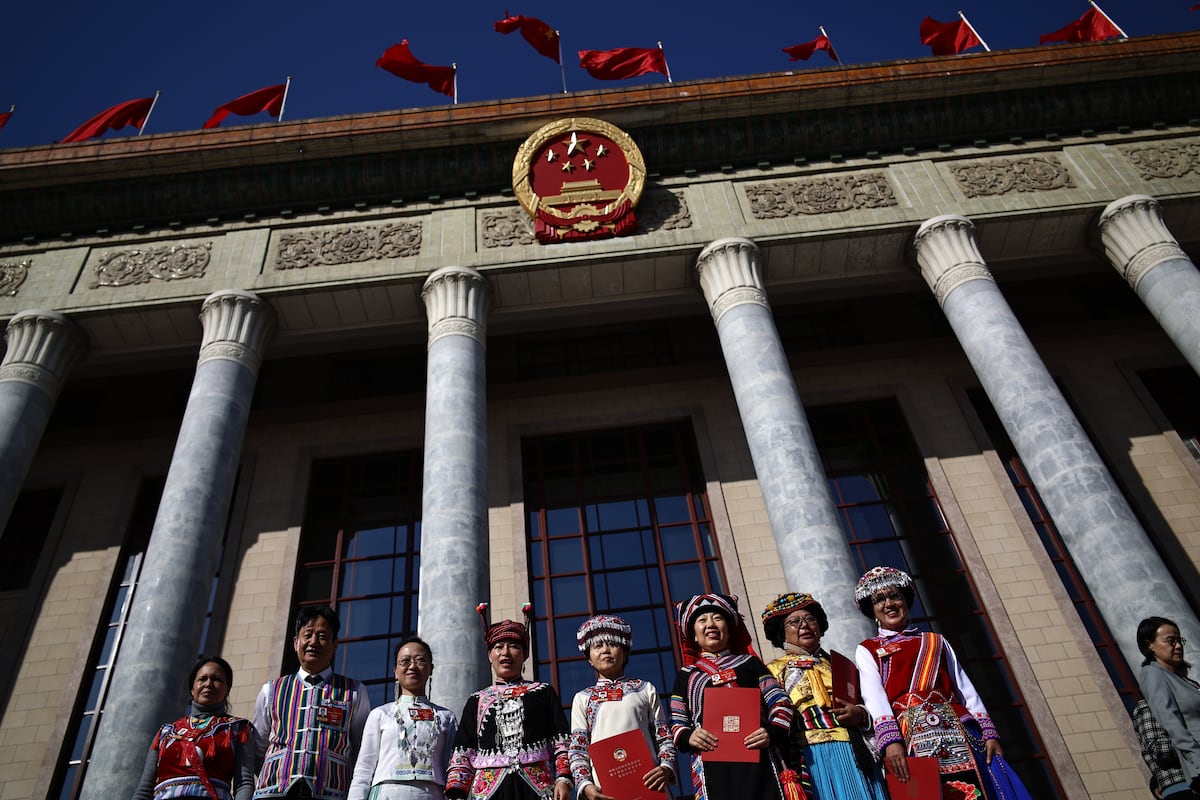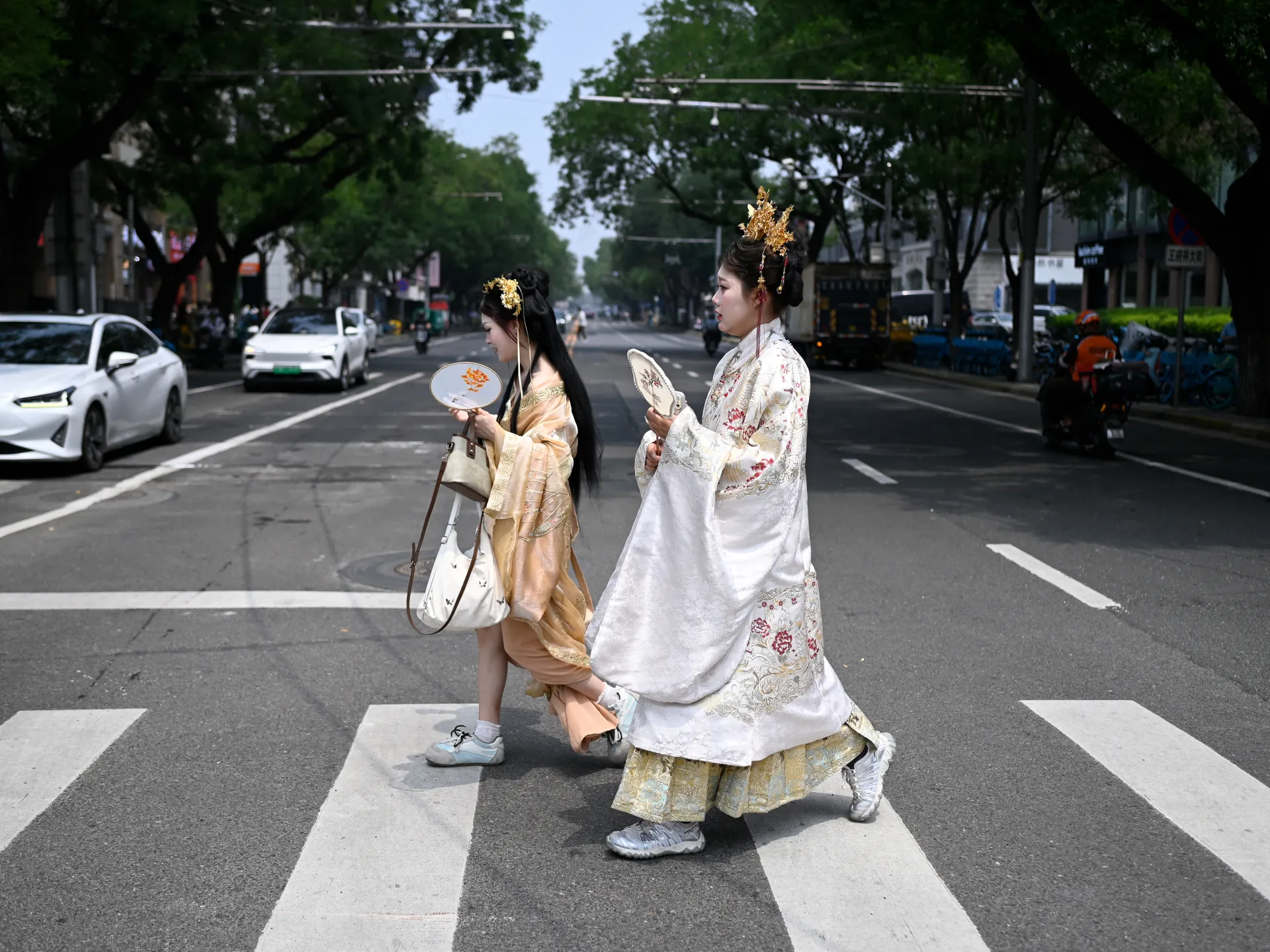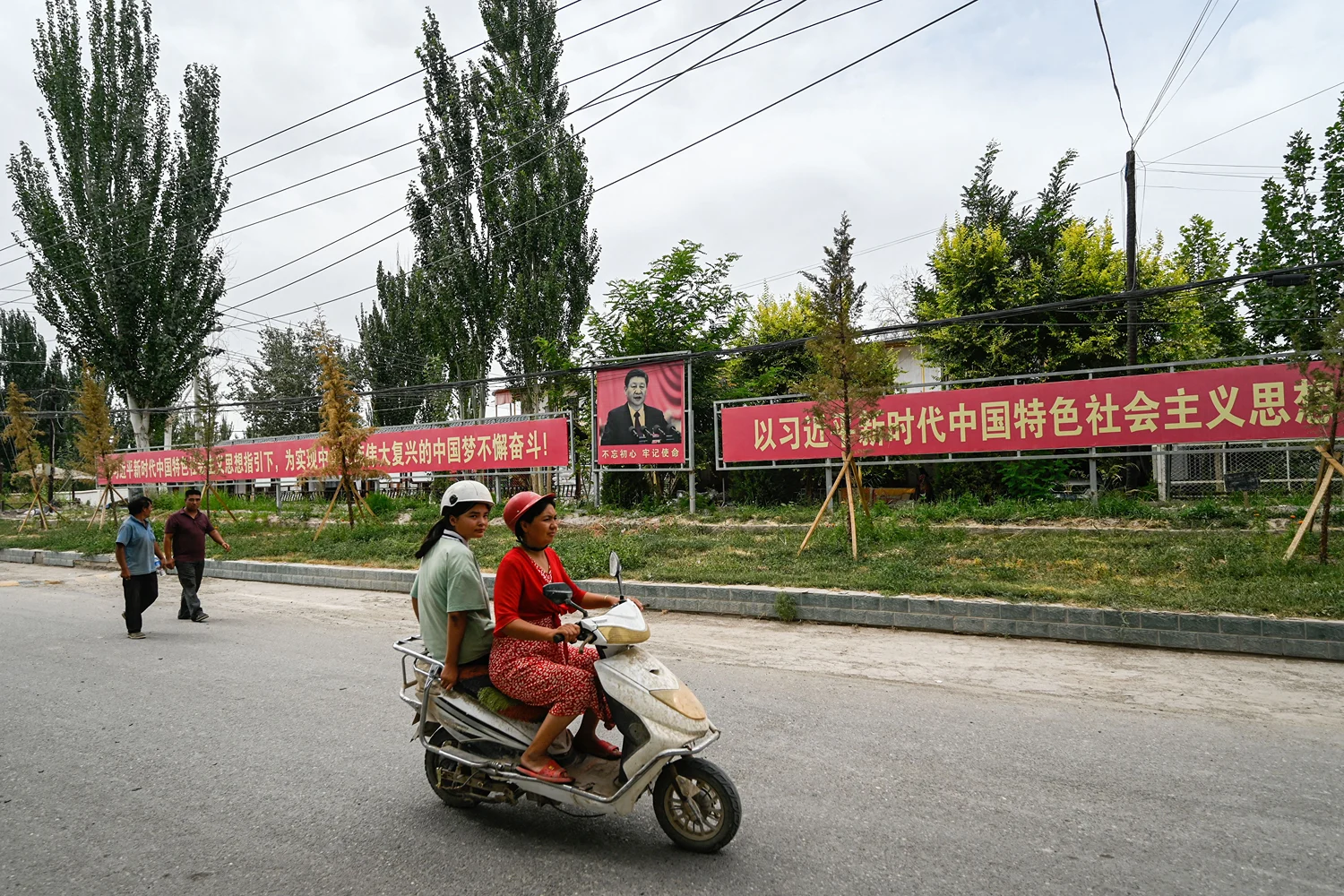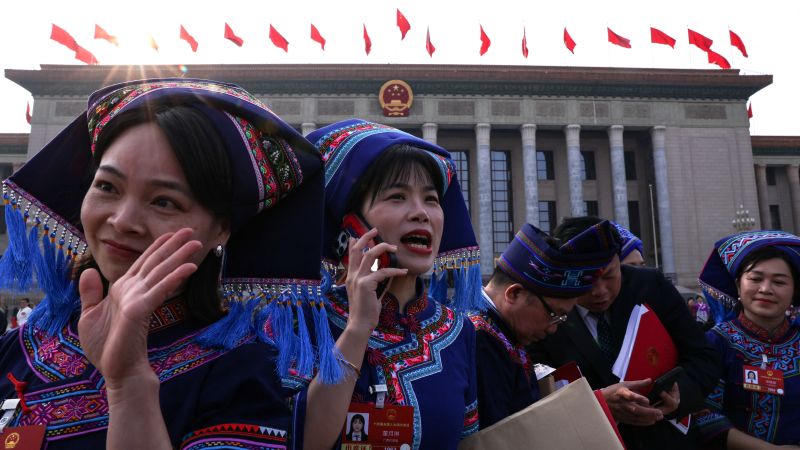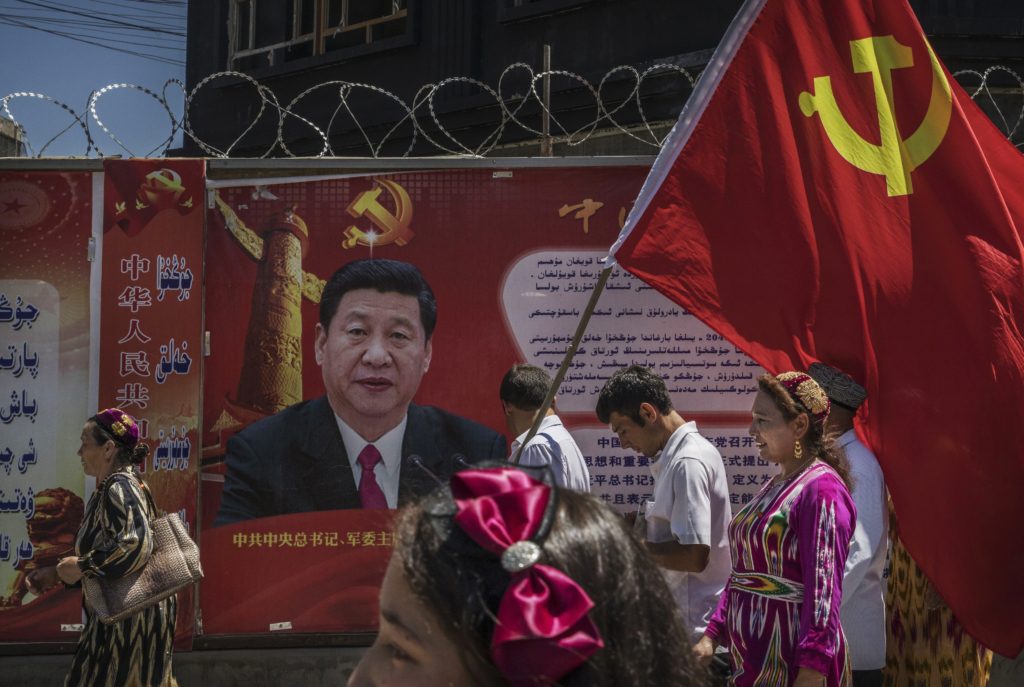
For decades the Chinese government has been accused of implementing repressive policies designed to subjugate ethnic minorities, forcing them to assimilate into the dominant Han culture.
Now a new law set to be rubber-stamped through the country's annual parliamentary session later this week will solidify, expand and even speed up this process, further threatening the rights of minority groups and their way of life, academics and human rights activists say.
The Chinese government, however, defends it as crucial for promoting "modernisation through greater unity" and calls it the law for "Promoting Ethnic Unity and Progress".
It lowers the status of other languages at the expense of Mandarin; encourages intermarriage between the dominant Han Chinese and other ethnicities by prohibiting moves to restrict this; requires parents to "educate and guide minors to love the Chinese Communist Party"; and, in a sweeping generalisation, prohibits any acts seen as damaging to "ethnic unity".
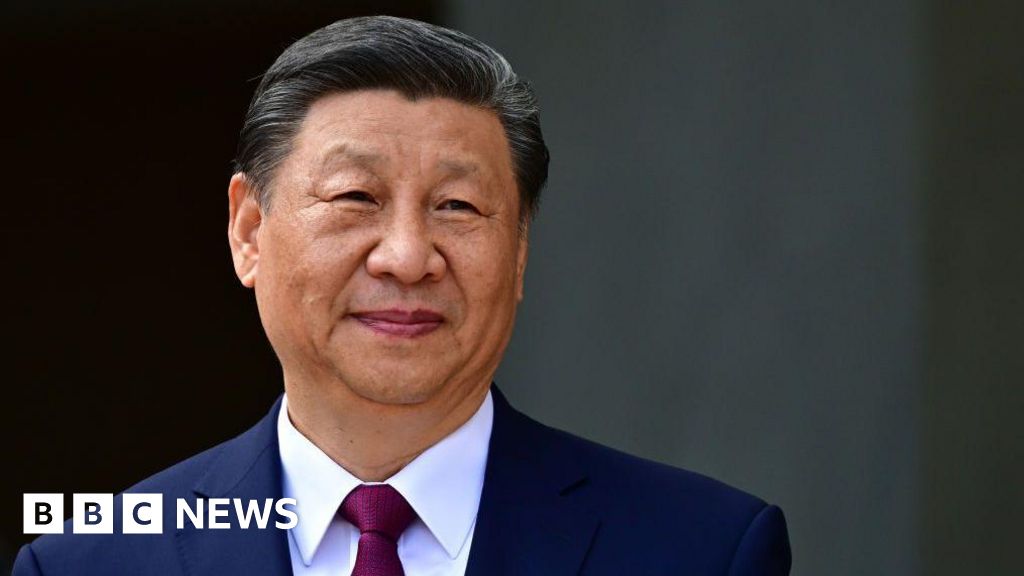
Xi Jinping has repeatedly called for the "Sinicisation of religion", requiring religious practices to conform with what the Communist Party deems to be Chinese culture and values - and experts see this law as an entrenchment of what had already become a core part of his rule.