China’s new law on “Promoting Ethnic Unity and Progress” that came into effect on July 1 has drawn considerable international attention. That’s largely due to Article 63 of the new law, which stipulates that “organizations and individuals outside the territory of the People’s Republic of China who commit acts that undermine ethnic unity and progress or create ethnic division shall be held legally responsible according to law.”
For some commentators, this constitutes a new step in Beijing’s efforts to “pursue organizations and individuals outside China who allegedly undermine ethnic unity or promote ethnic division.” Article 63, however, simply codifies Beijing’s long-standing practices of transnational repression of religious and ethnic minority diasporas, such as Uyghurs and Tibetans.
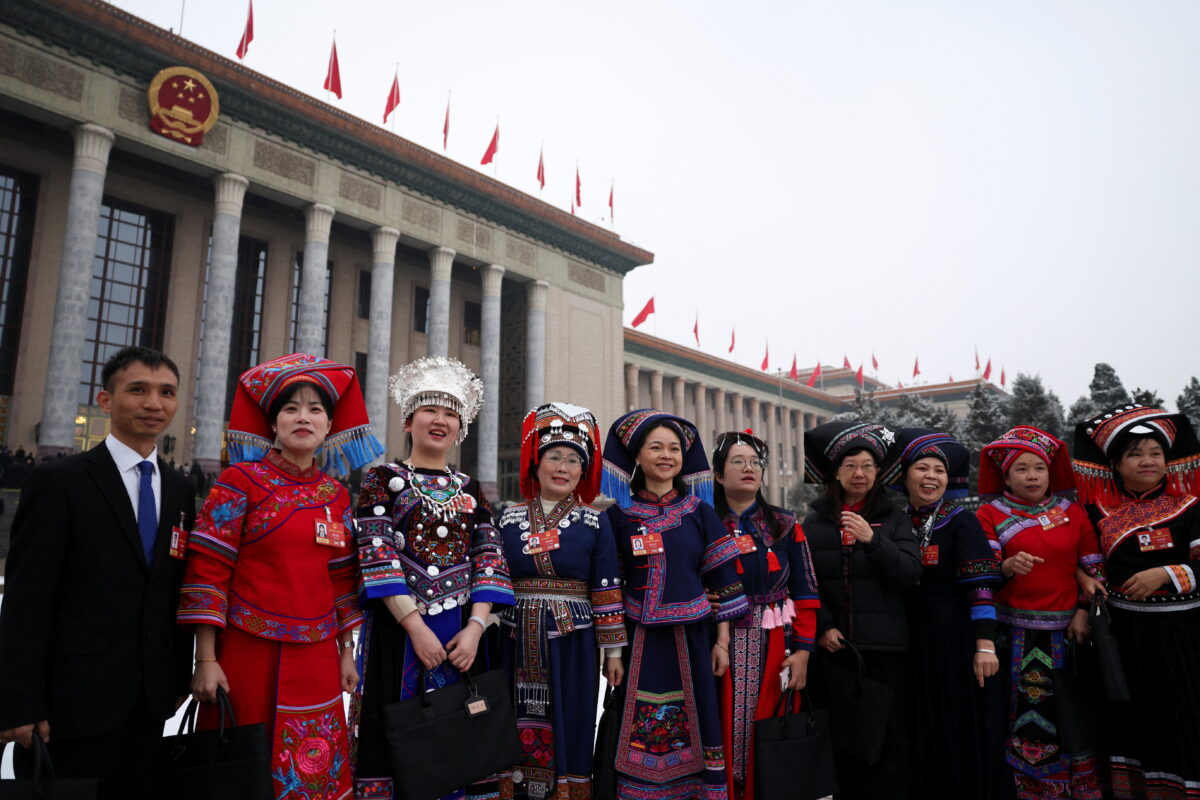
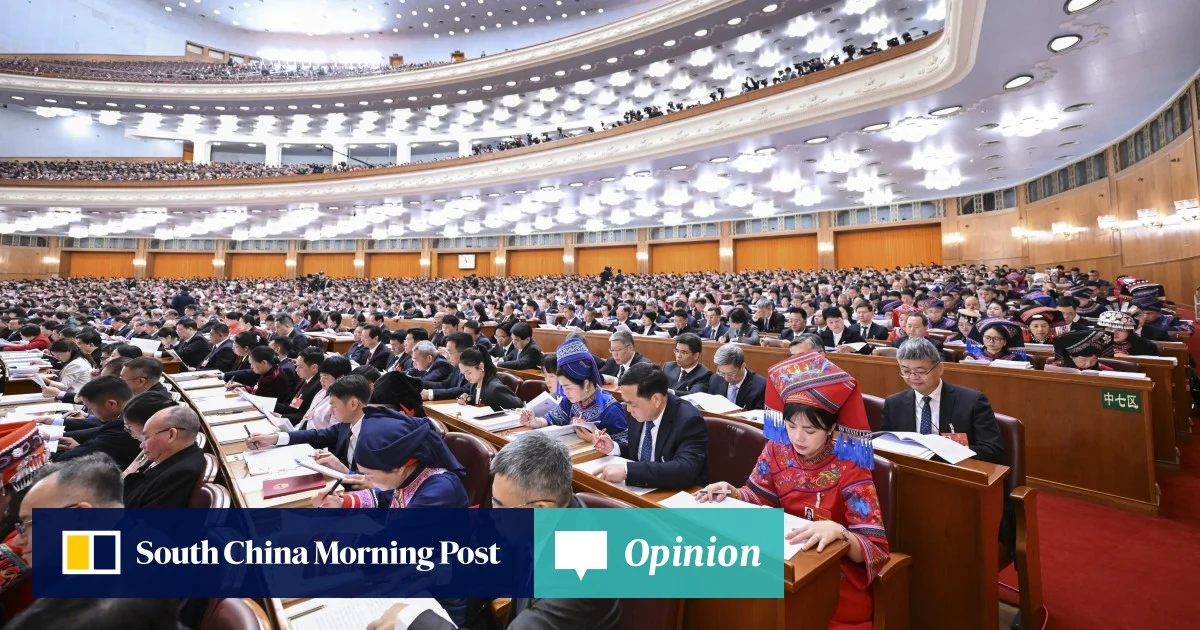
What is more noteworthy is how the new law consolidates a decades-long endeavor by the party-state to fundamentally remake ethnic minority policy in a manner that suggests that Xi Jinping’s solution to the governance of China’s ethnic minorities is to once and for all break down the barriers that he (and the Chinese Communist Party) believes prevent their assimilation. As such the law constitutes but the latest attempt to operationalize the CCP’s preferred narrative construction of zhonghua minzu (中华民族, the “Chinese nation”) in which all of China’s 56 officially recognized ethnic groups are “interconnected” by “history, culture, and blood” regardless of ethnicity.