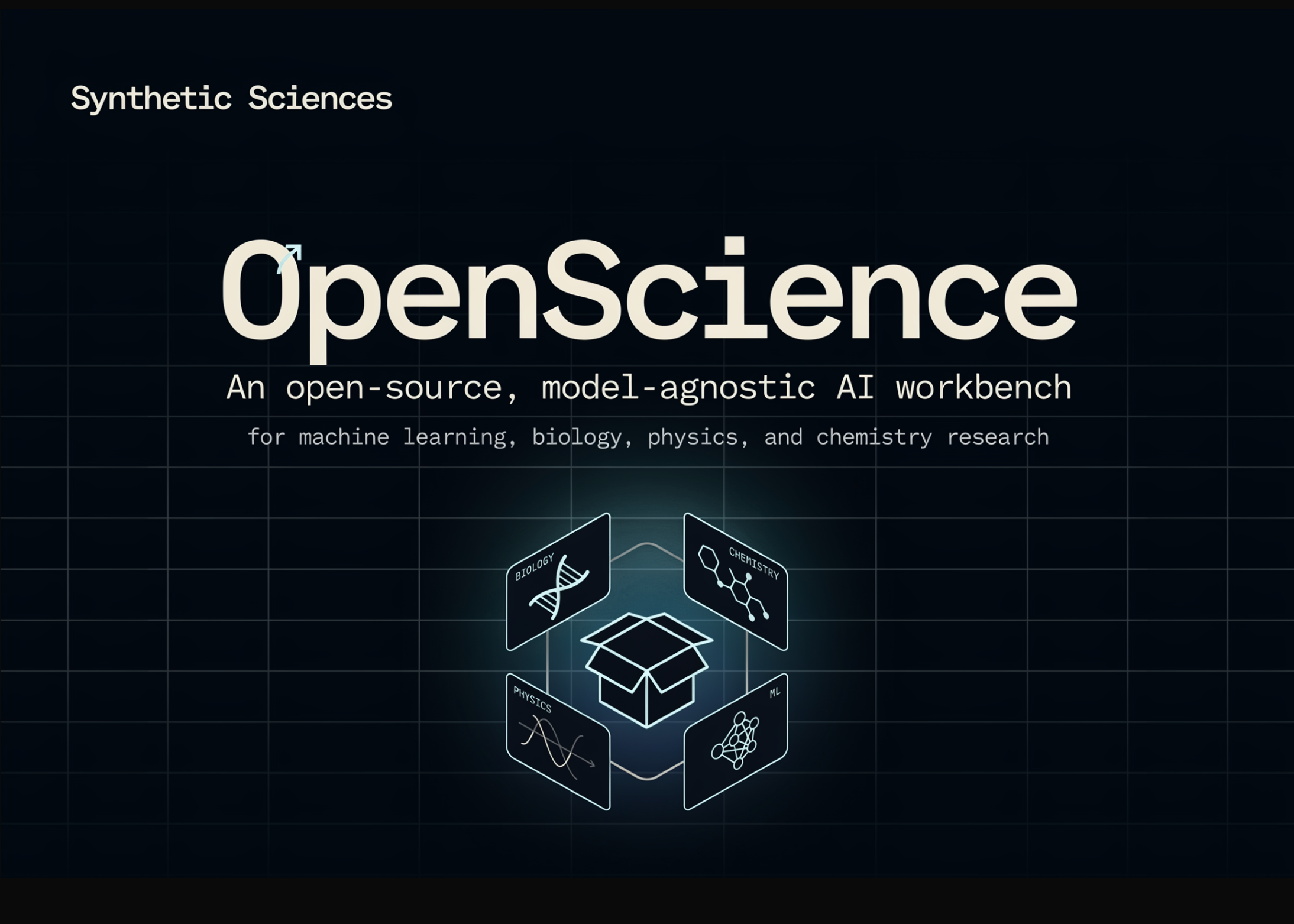
The launch of Open Science Desktop marks a notable entry into the AI research tool space, positioning itself as a local-first, model-agnostic workbench for developers and data scientists. Built using the Tauri framework and designed for cross-platform use on macOS, Windows, and Linux, this open-source project aims to streamline the AI research process while enabling users to maintain control over their data and models. With 766 stars on GitHub, the repository signals interest and indicates a growing community around it, but what does this actually mean for developers and researchers?
Local-first Architecture: What It Entails
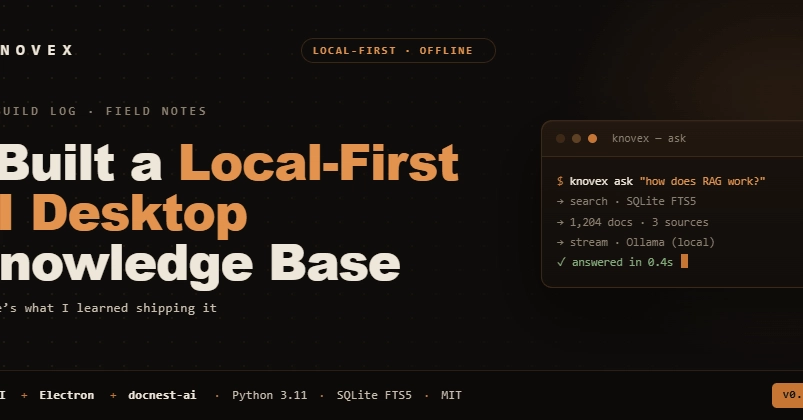
Local-first architecture is increasingly appealing for tools handling sensitive data, particularly in research and academia. This design allows users to run the application and store data locally, bypassing reliance on cloud services. For researchers, this can significantly reduce the risk of data leakage and improve control over intellectual property. However, developers must consider the trade-offs.
While local processing can enhance privacy and performance, it also limits certain features associated with cloud services, such as collaborative editing and real-time updates. As AI research often involves large datasets and models that can be computationally intensive, running everything locally might strain the hardware of less powerful machines. Developers must balance the need for robust capabilities against the user base's technical diversity—supporting high-end workstations while not alienating those with more modest setups.