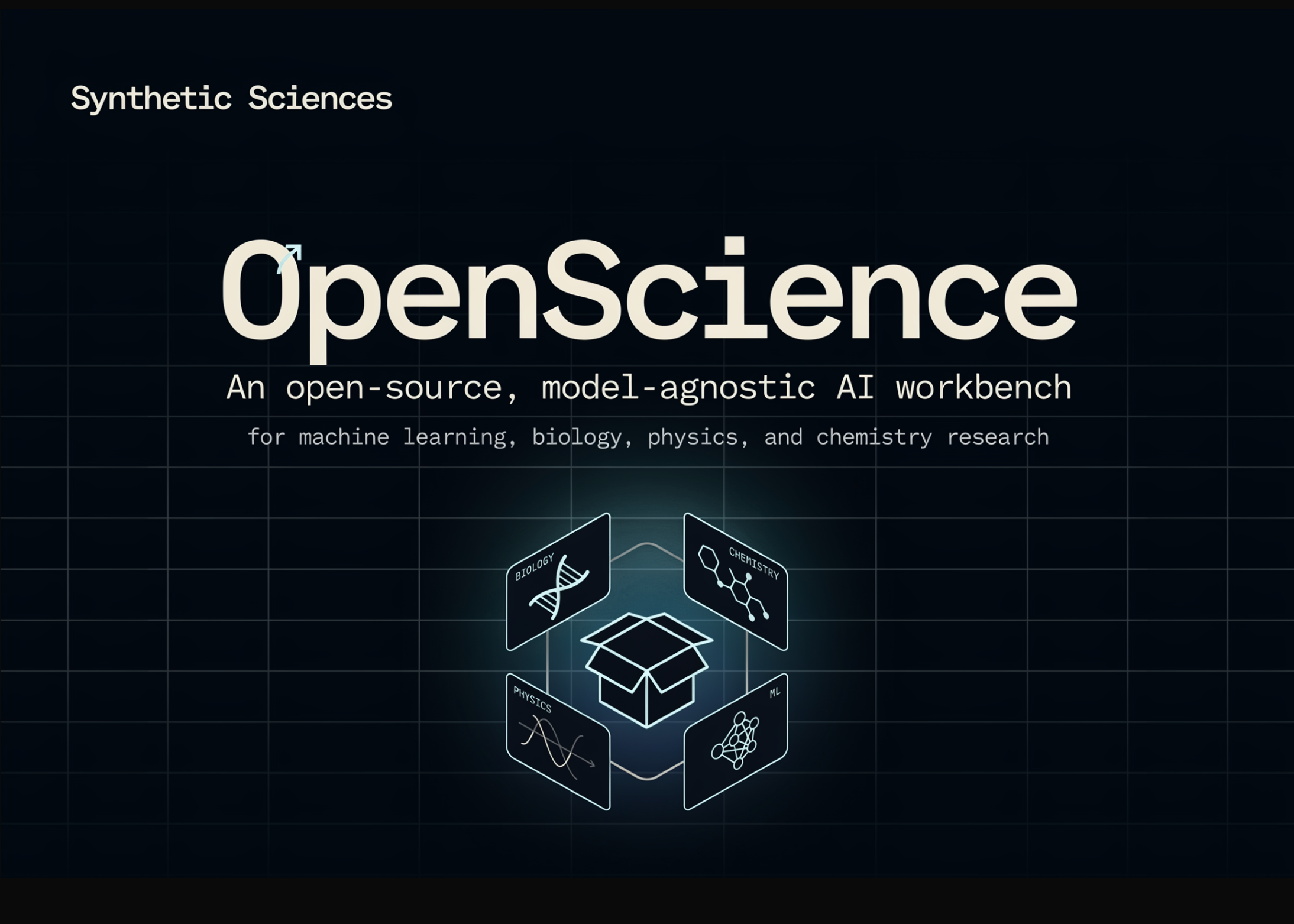
OpenScience, a new open-source AI workbench developed primarily in TypeScript, has garnered significant attention on GitHub, amassing over 2,167 stars. This project aims to provide a collaborative environment for scientific research, leveraging AI tools to streamline workflows. The emergence of OpenScience highlights an ongoing trend of open-source solutions in research, but it raises questions about whether its design and technical decisions can endure the rigors of advanced scientific applications.
Understanding OpenScience's Technical Basis
OpenScience is built using TypeScript, which provides a structured, statically typed environment conducive to maintaining complex codebases. TypeScript's advantages in enhancing code reliability and maintainability are obvious—especially in research scenarios where reproducibility and clarity are crucial. However, reliance on TypeScript also introduces trade-offs, particularly regarding community participation. While many developers favor TypeScript for its type safety, it can alienate those more familiar with JavaScript, potentially limiting the project's inclusivity.
The choice of TypeScript serves a dual purpose: it appeals to a growing audience of developers who require robust tooling and can help attract contributors focused on enterprise-level applications. Nonetheless, the question arises: does this focus limit the project's accessibility to researchers who may not have extensive programming backgrounds?