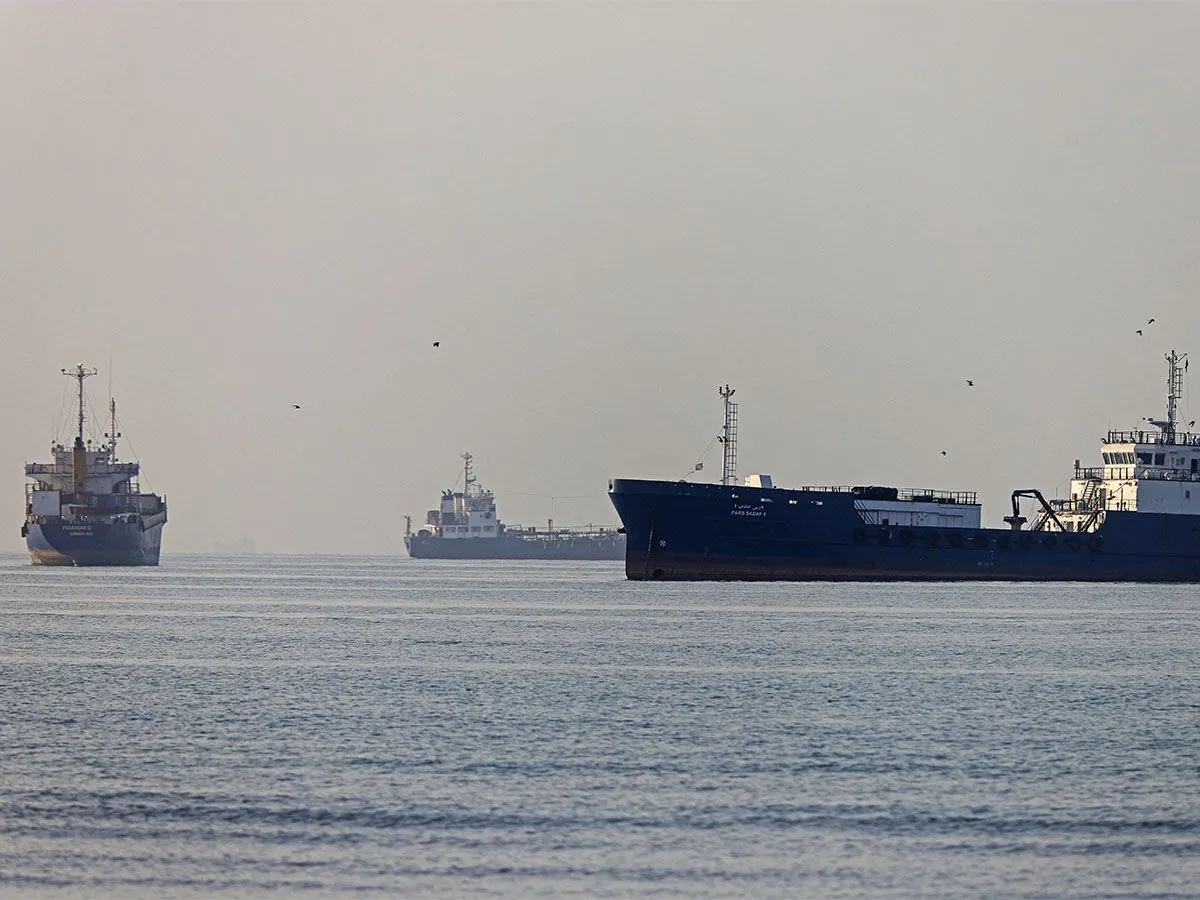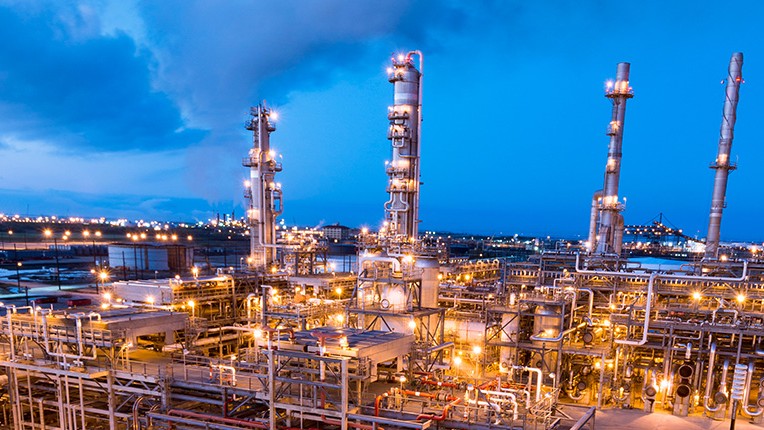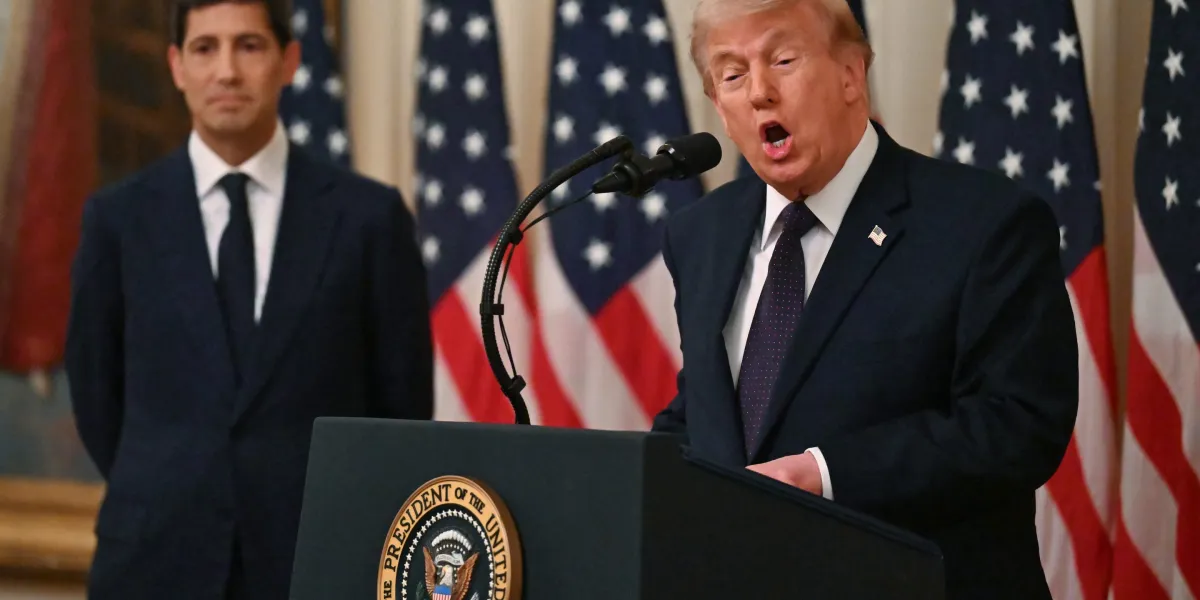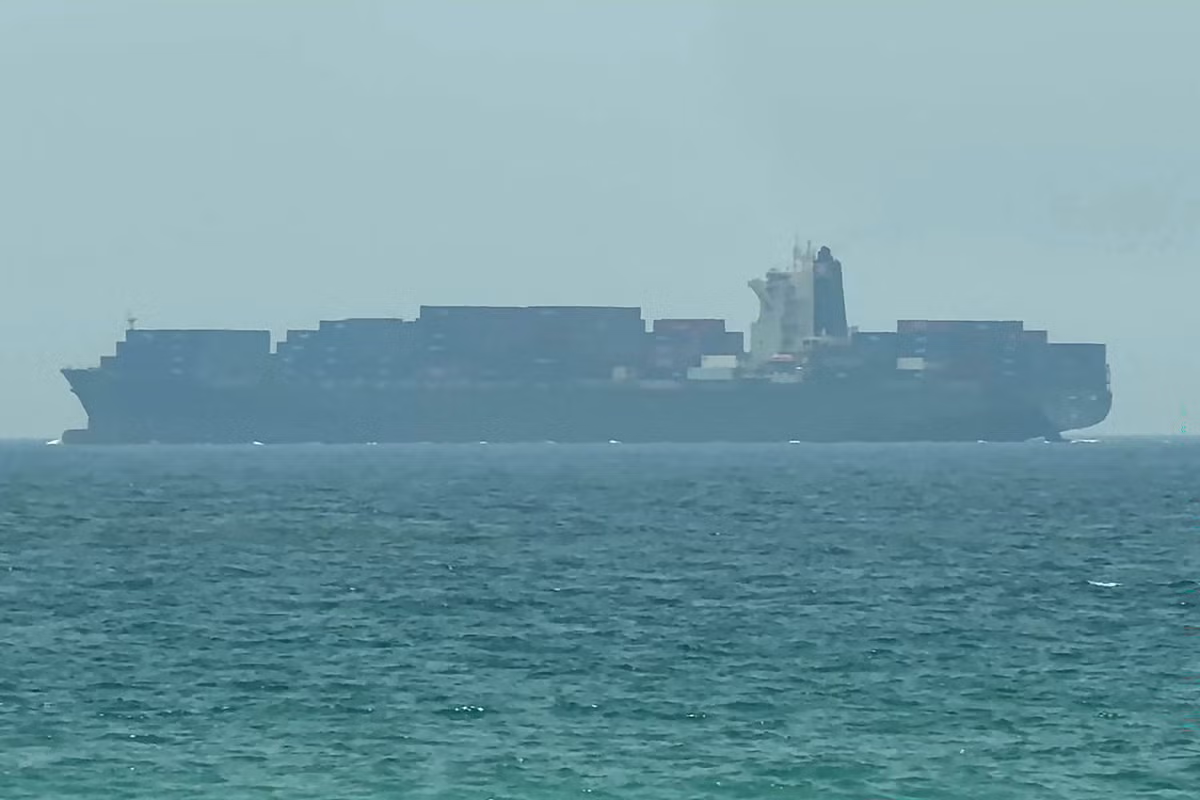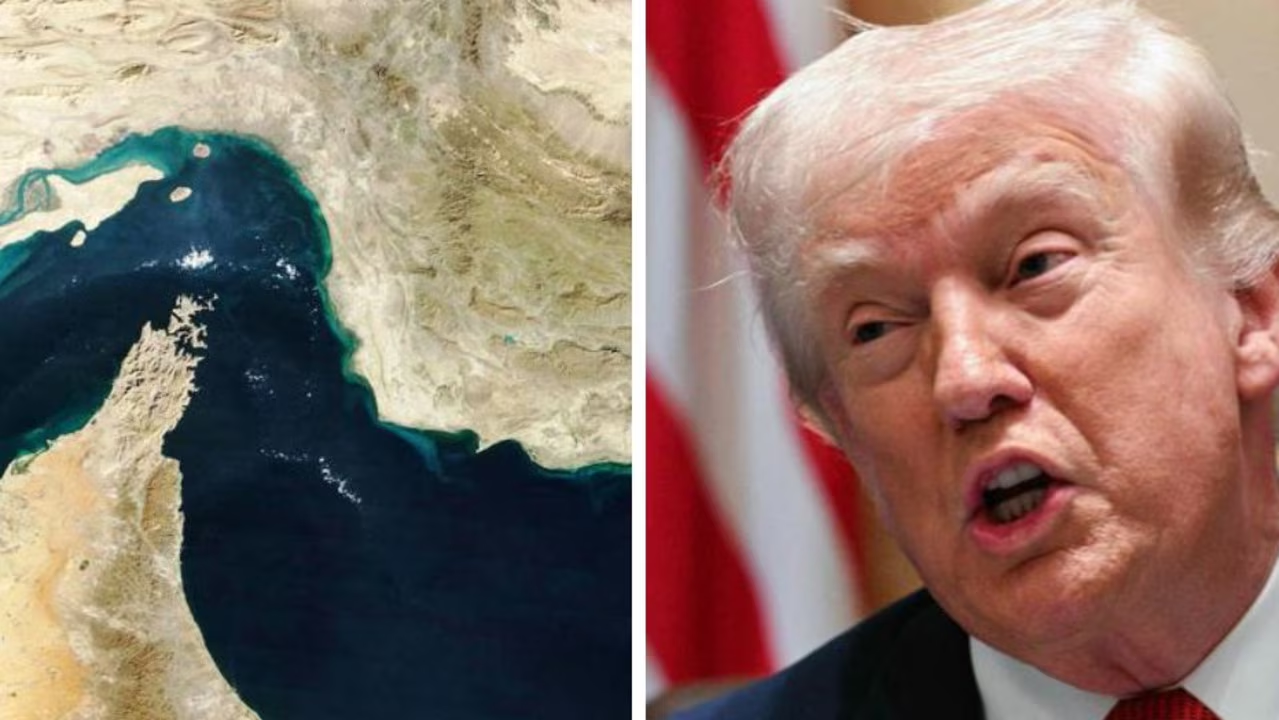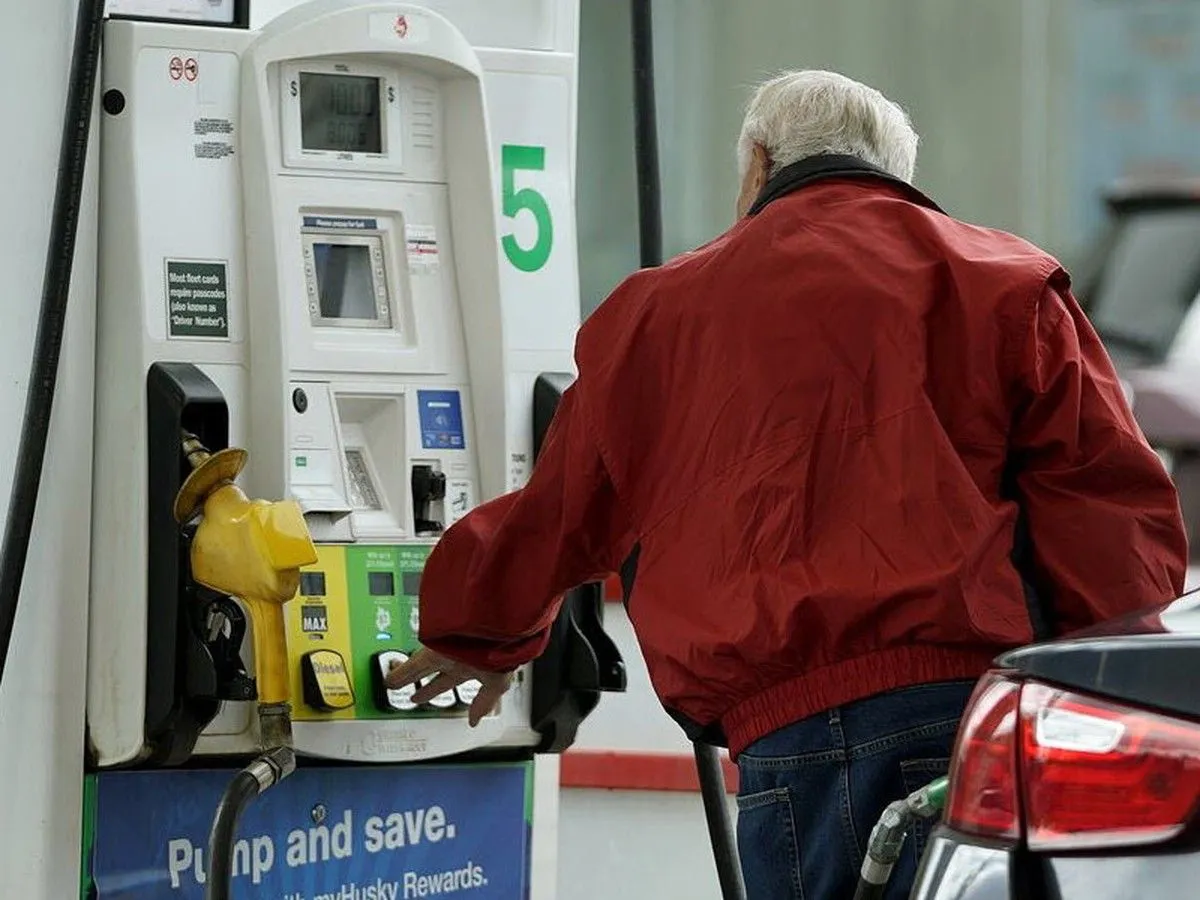
Skip to Content News Archives Economy Energy Oil & Gas Renewables Electric Vehicles Mining Commodities Agriculture Real Estate Mortgages Mortgage Rates Finance Banking Insurance Fintech Cryptocurrency Work Wealth Smart Money Wealth Management Investor Personal Finance Family Finance Retirement Taxes High Net Worth FP Comment Executive Women Puzzmo Newsletters Financial Times Business Essentials More Innovation Information Technology FP500 Podcasts Small Business Lives Told Tails Told Shopping Financial Post Store Obituaries Place a Notice Advertising Advertising With Us Advertising Solutions Postmedia Ad Manager Sponsorship Requests Classifieds Place a Classifieds ad Working Profile Settings My Subscriptions Saved Articles My Offers Newsletters Customer Service FAQ News Economy Energy Mining Real Estate Finance Work Wealth Investor FP Comment Executive Women Puzzmo Newsletters Financial Times Business Essentials HomeEnergyWhat the Iran flare-up means for Alberta's budget and pump prices across the countryA higher oil price cuts both ways for Alberta. It pads the treasury and supports oilpatch jobs, plus what drivers pay to fill up.Last updated 1 hour ago You can save this article by registering for free here. Or sign-in if you have an account.As the Middle East conflict flares up, oil prices are also rising, but Alberta drivers have so far dodged the kind of price shock at the gas station they saw earlier this year. Photo by File /PostmediaThe price of oil is rising as war in the Middle East reignites, but a well-supplied market and Trump’s on-again, off-again threats appear to be keeping the spike in check.Subscribe now to read the latest news in your city and across Canada.Exclusive articles from Barbara Shecter, Joe O'Connor, Gabriel Friedman, and others.Daily content from Financial Times, the world's leading global business publication.Unlimited online access to read articles from Financial Post, National Post and 15 news sites across Canada with one account.National Post ePaper, an electronic replica of the print edition to view on any device, share and comment on.Daily puzzles, including the New York Times Crossword.Subscribe now to read the latest news in your city and across Canada.Exclusive articles from Barbara Shecter, Joe O'Connor, Gabriel Friedman and others.Daily content from Financial Times, the world's leading global business publication.Unlimited online access to read articles from Financial Post, National Post and 15 news sites across Canada with one account.National Post ePaper, an electronic replica of the print edition to view on any device, share and comment on.Daily puzzles, including the New York Times Crossword.Create an account or sign in to continue with your reading experience.Access articles from across Canada with one account.Share your thoughts and join the conversation in the comments.Enjoy additional articles per month.Get email updates from your favourite authors.Create an account or sign in to continue with your reading experience.Access articles from across Canada with one accountShare your thoughts and join the conversation in the commentsEnjoy additional articles per monthGet email updates from your favourite authorsSign In or Create an AccountorFor all the alarms this week, Alberta drivers and the provincial treasury have so far dodged the kind of price shock they saw this spring.A fifth of the world’s oil moved through the Strait of Hormuz before the war, which is why a fight two continents away lands, at some point, on Canadian gasoline receipts and the books for energy-producing provinces like Alberta and Saskatchewan.U.S. President Donald Trump threatened to make ships pay a toll to pass through the strait. The fee was steep enough that shipping companies said they would refuse to pay, and U.S. allies complained they had not been consulted.Get the latest headlines, breaking news and columns.By signing up you consent to receive the above newsletter from Postmedia Network Inc.A welcome email is on its way. If you don't see it, please check your junk folder.The next issue of Top Stories will soon be in your inbox.We encountered an issue signing you up. Please try againWithin a day, Trump backed off, saying he would strike deals with Gulf countries instead, without saying what those deals could be worth. Trump’s reversal was familiar enough that it has earned a nickname: TACO, Trump Always Chickens Out. Investors have learned to wait it out. Ships are docked along a pier at the Khor Fakkan Container Terminal, the only natural deep-sea port in the region and one of the major container ports in Sharjah Emirate, along the Gulf of Oman on July 14, 2026. Tehran announced it was closing the Strait of Hormuz on July 12 and launched missiles and drones at its Gulf neighbours, in retaliation for new US strikes following an attack by Iranian forces on a merchant vessel that was abandoned in flames by its crew. AFP via Getty ImagesNorth American oil prices are up 10 per cent this week, having traded above US$80 a barrel at times on Tuesday. But the gains so far are nothing like the rally during the beginning of the conflict, when oil crested US$100 a barrel.BMO Capital Markets analyst Jeremy McCrea said the run up in the spring — and how fast oil fell afterward — appears to have made the market gun-shy.“It’s a fool me once, fool me twice mentality,” he said.When the price swings on daily social media posts, he said, “it’s not investing.” Producers are just as cautious. A few have nudged spending budgets up, and some are hedging, but many are holding, McCrea said. “This is very much noise until there’s a structural change.”At the pump, drivers have not felt it yet. Patrick DeHaan, head of petroleum analysis at GasBuddy, said Alberta prices are still “spot on to what they were a month ago, a week ago and yesterday.”That won’t last. He expects a jump of five to 15 cents a liter before long, though the timing is hard to call because some stations move sooner than others, and no one has a crystal ball.“It’s just a matter of time,” he said, before yesterday’s jump in oil eventually trickles down to gasoline and diesel prices. A higher oil price cuts both ways for Alberta. It pads the treasury and supports oilpatch jobs, plus what drivers pay to fill up.North American crude still sits well below its wartime peak near $US117 a barrel. U.S. output is at record highs, OPEC is holding back barrels it can move quickly, and markets managed a Hormuz blockade once already this yearFor oil-producing provinces, higher prices mean more money in the budget. But Alberta’s oil companies aren’t celebrating. “There’s a lot of trepidation,” McCrea said, with most firms choosing to “stay the course” on spending.Still, he called US$80 oil “a good balance” — high enough to help the province, low enough that drivers aren’t stung too much.It may not last. Prices could climb again, De Haan said, and get far worse, if the war widens.For now, Alberta can exhale. The bump at the pump might be coming, just not yet.Bookmark our website and support our journalism:Don’t miss the news you need to know — add EdmontonJournal.com and EdmontonSun.com to your bookmarks and sign up for our newsletters here.You can also support our journalism by becoming a digital subscriber. Subscribers gain unlimited access to The Edmonton Journal, Edmonton Sun, National Post and 13 other Canadian news sites. Support us by subscribing today: The Edmonton Journal | The Edmonton Sun. Join the Conversation This website uses cookies to personalize your content (including ads), and allows us to analyze our traffic. Read more about cookies here. By continuing to use our site, you agree to our Terms of Use and Privacy Policy.
What the Iran flare-up means for Alberta's budget and pump prices across the country
The price of oil is up as war in the Middle East reignites, but a series of conditions appear to be keeping the spike in check.
1,240 words~6 min read