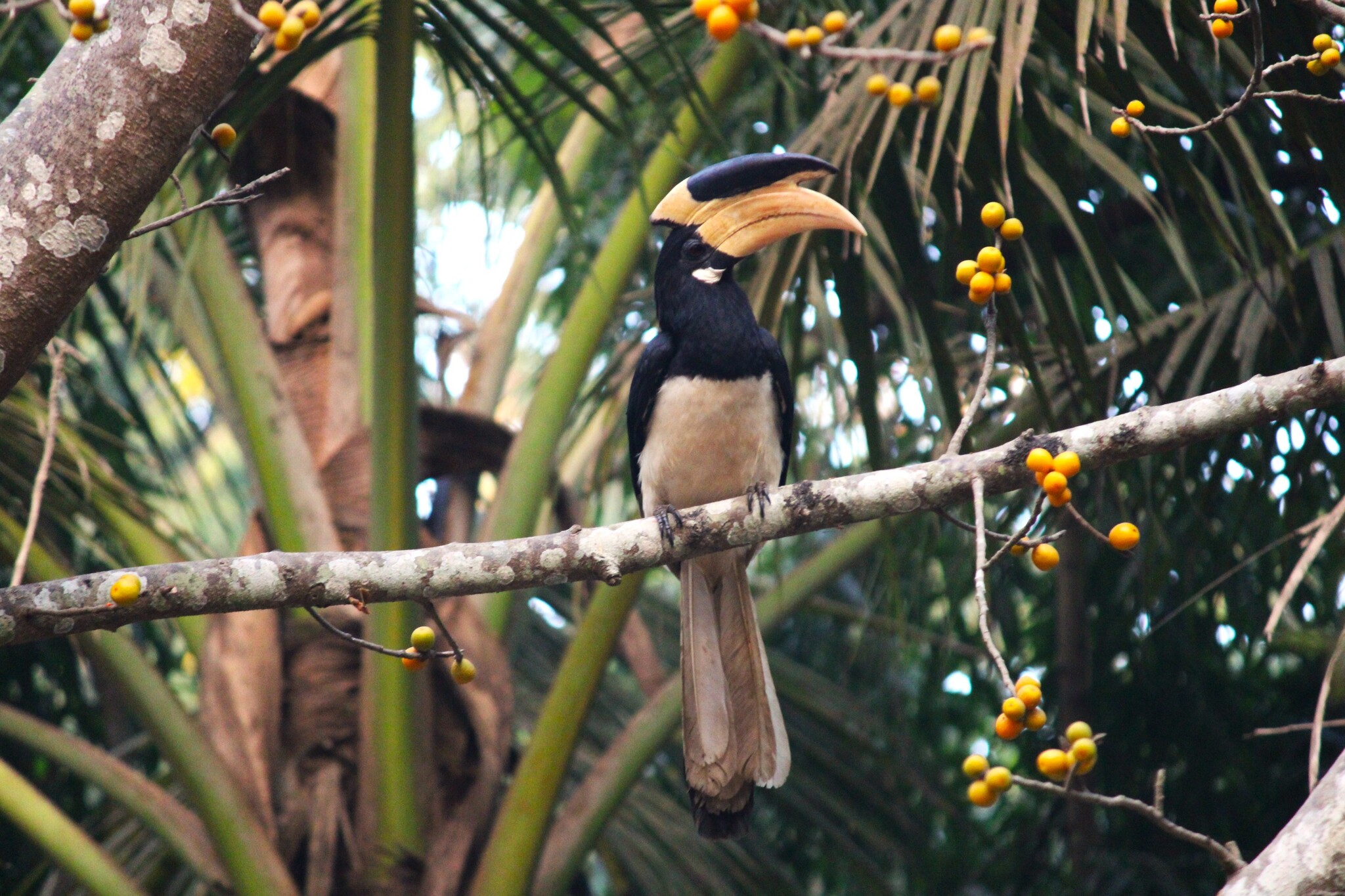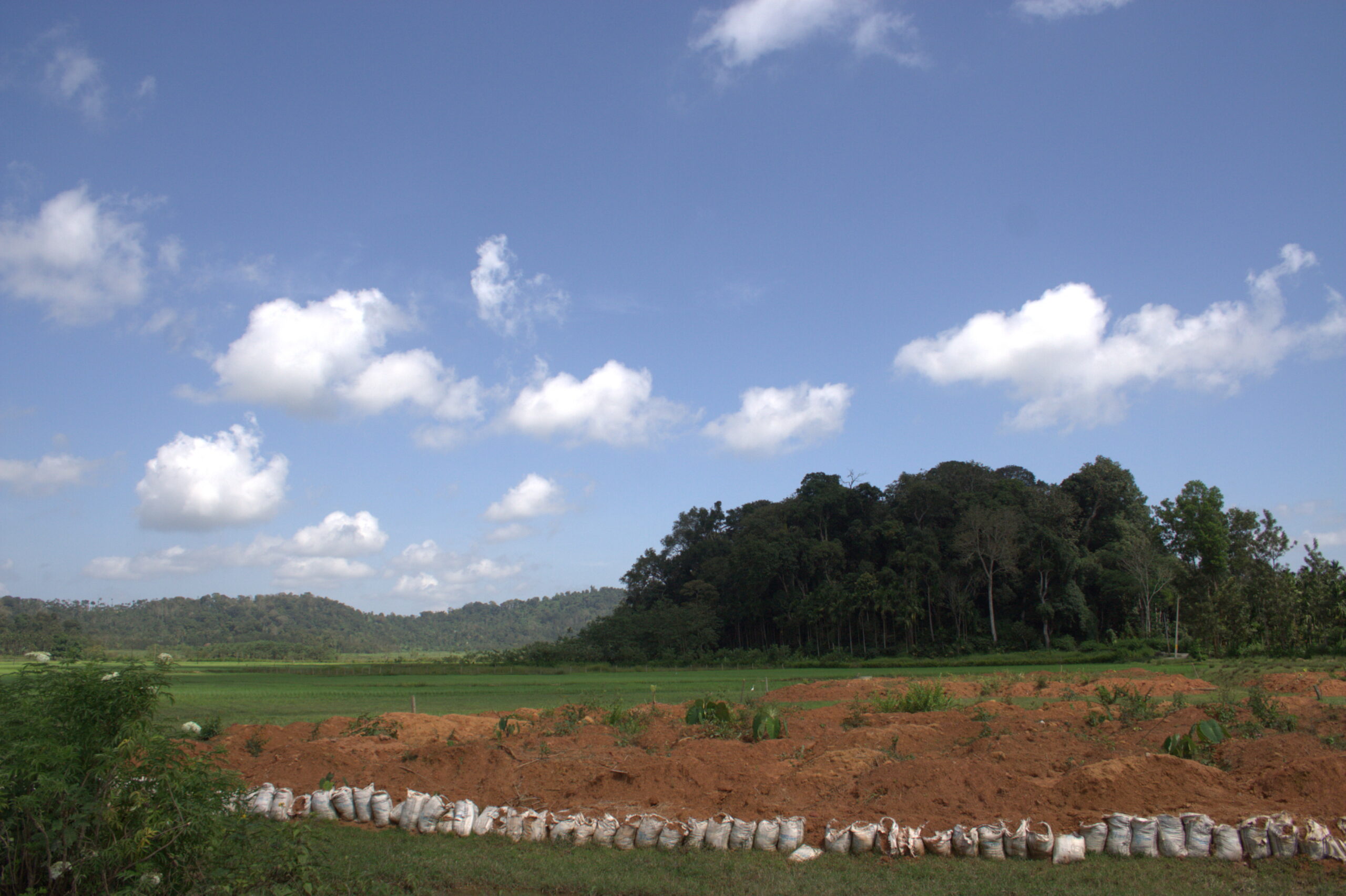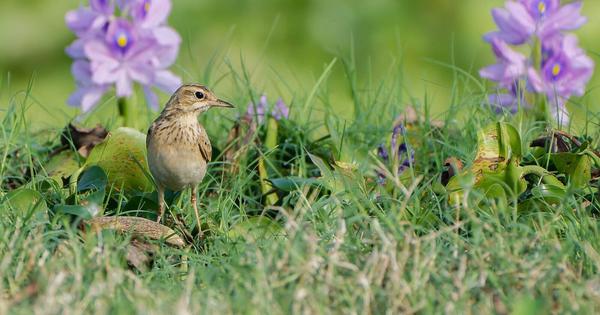
A study of “giant” trees in India’s Western Ghats finds that sacred groves, forest patches that communities protect, because they believe the trees belong to their gods, hold nearly twice the giant-tree species of nearby villages.The groves also grow far more young trees from large, bird-spread seeds, making them nurseries for the next forest.Researchers call giant trees “ecological catcher’s mitts” and say conservation should protect whole forests and the cultures around them, not just single animals.The groves are under pressure as simple forest shrines are replaced with concrete temples and young people leave villages, taking their knowledge with them.
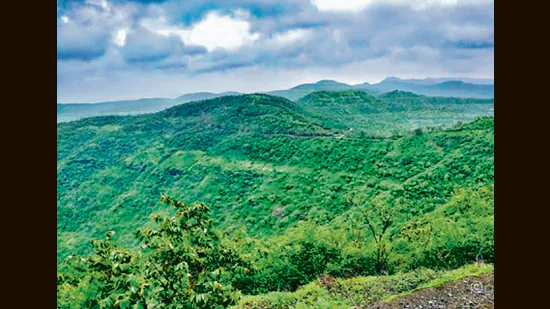
In the villages of India’s Western Ghats, some of the oldest and tallest trees do not grow inside a national park. They grow in sacred groves, small patches of old, mostly untouched forest that local communities have protected for generations, because they believe the trees belong to their deities and ancestors.
A new study published in the journal PLOS One found that young trees regenerate far more successfully in these groves. Seeds dropped by fruit-eating birds are much likelier to survive and grow there than in surrounding farms and villages. India has more than 100,000 sacred groves, which are recognized as essential to community-based conservation.