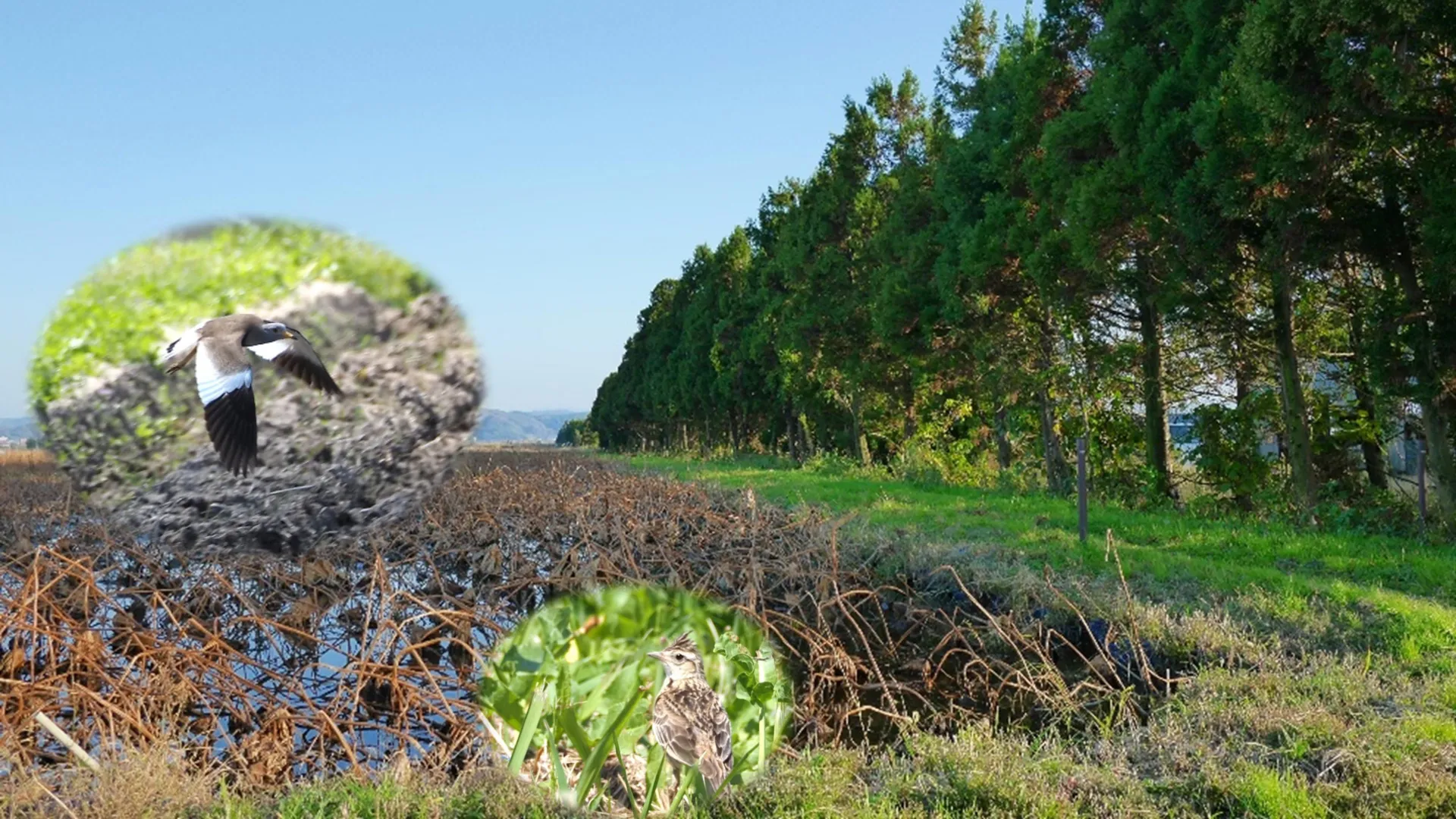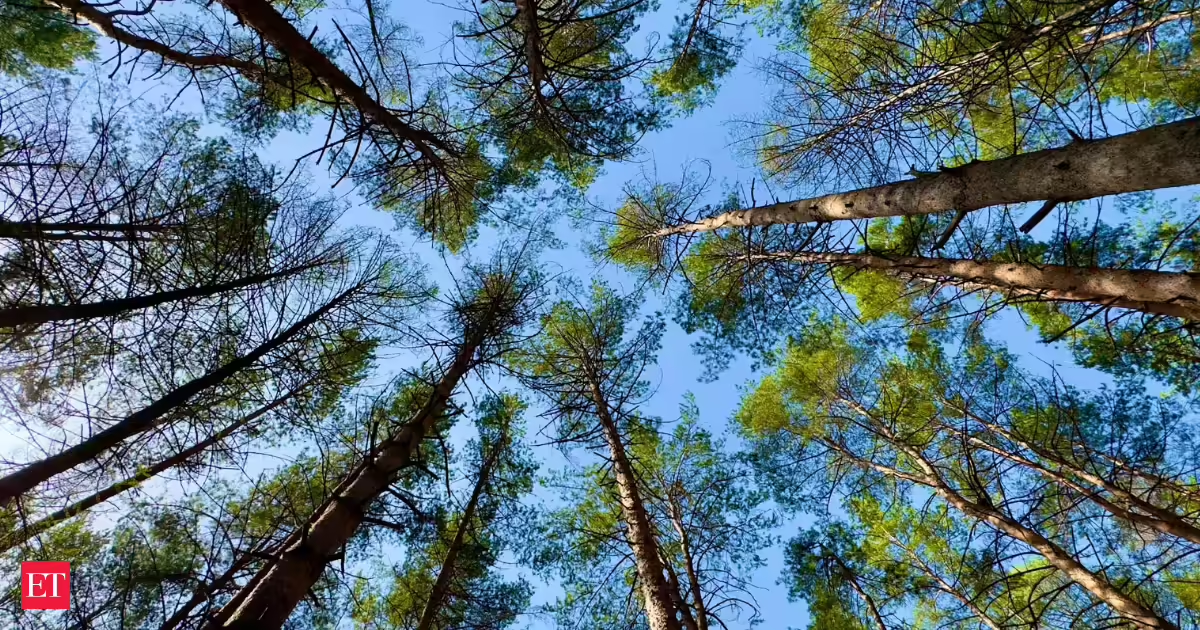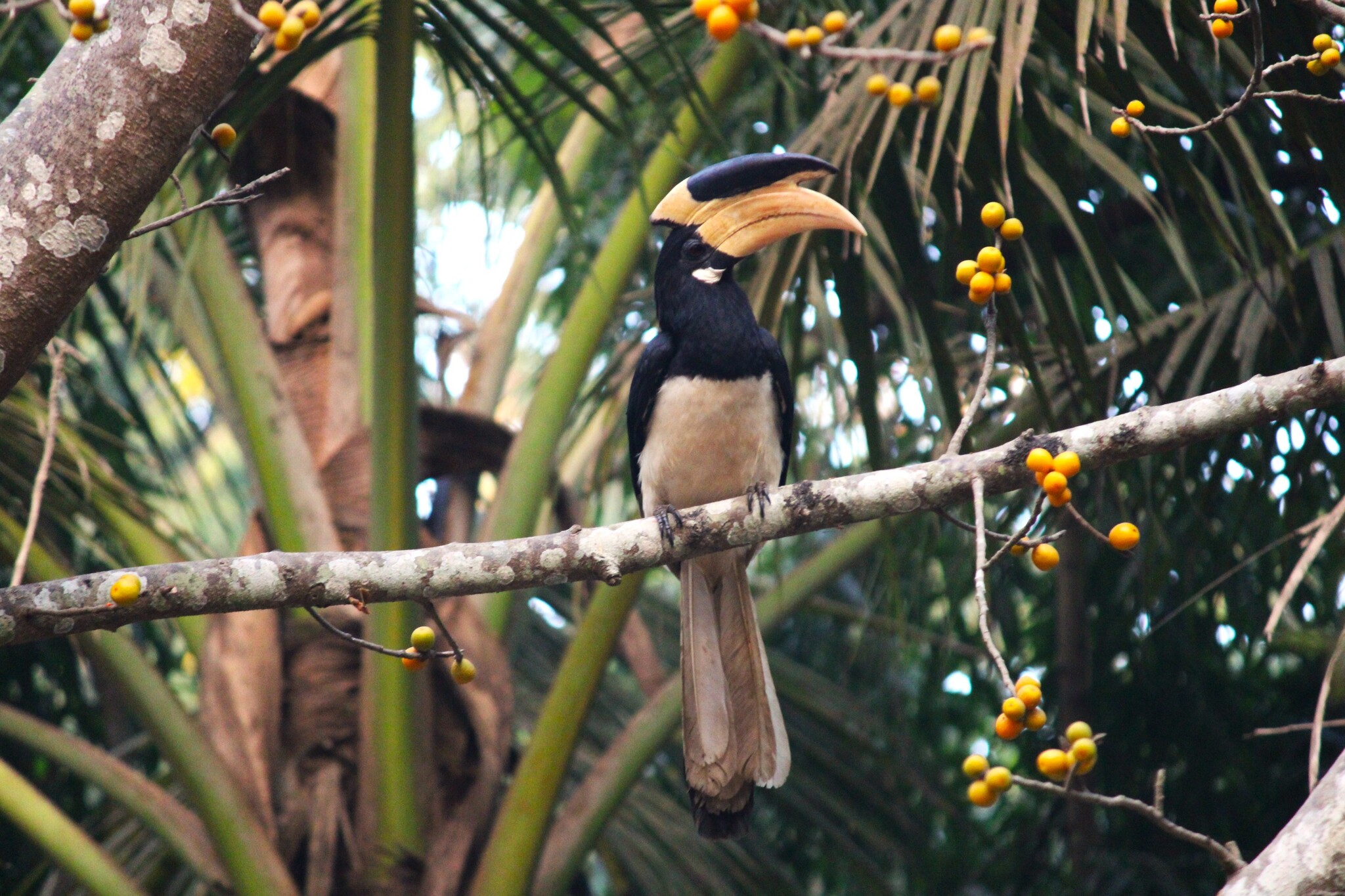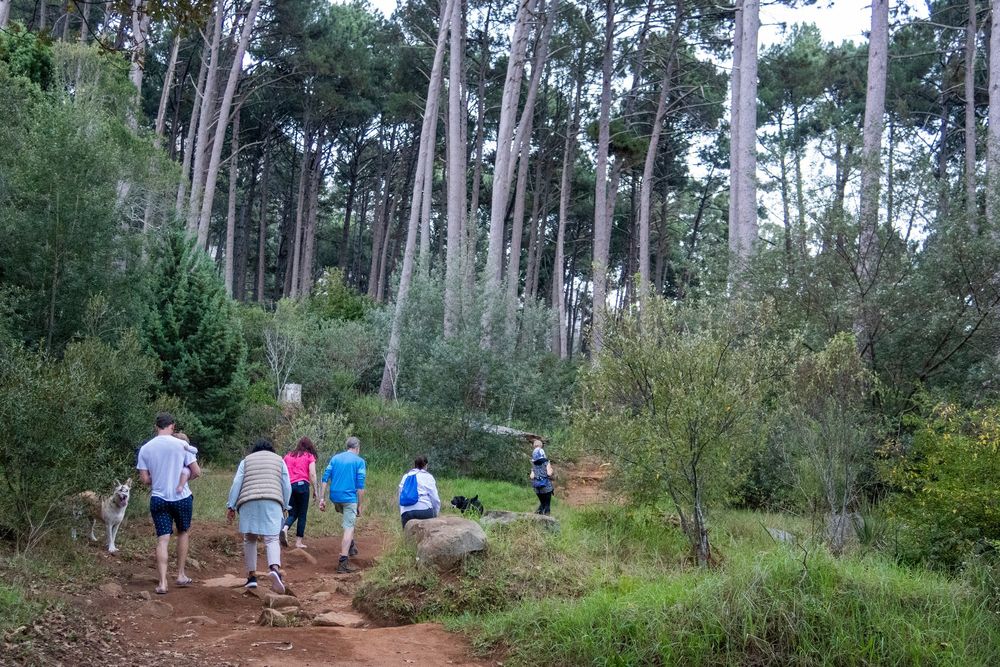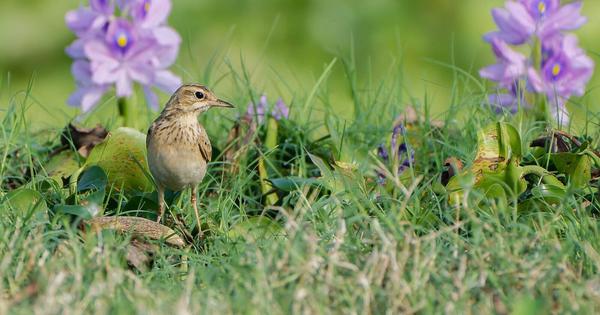
India’s fast disappearing grasslands have long been targeted for afforestation – a practice that encourages tree planting on “degraded” parcels of land. With their vast and open landscapes, savannahs and grasslands are often considered barren land in need of more dense tree cover. But how does converting grassy, arid land to something woody and canopied transform an ecosystem, and the life within it?New research from Maharashtra studies how old-growth savannahs, when planted with trees, changes bird populations and distributions. Grasslands and savannahs are estimated to cover 15%-20% of India’s land mass, and yet remain under-researched. The lack of recognition of grassland ecosystems has meant their role in regulating microclimates and hosting endemic biodiversity has largely gone unnoticed. “There are very few studies on dry savannahs in general, and even fewer on the impacts of afforestation on them,” said Abi T Vanak, Director of the Centre for Policy Design at ATREE and a scholar of India’s grasslands.The study from Maharashtra compared bird species and abundance across undisturbed savannahs and well-established plantations, creating new evidence for how the impacts of afforestation go beyond just changes to tree cover. It found that afforestation rendered the area uninhabitable for grassland specialist species like the Indian courser – a long-legged bird which scans the grass to forage – and the tawny pipit, which nests on the ground – among a host of others.Instead, bird populations were maintained by an influx of other species better adapted to woody and forested habitats. The shift in species composition is a matter of concern because grassland specialists are declining at alarming rates across the country. The 2023 State of India’s Birds report found that across a 30 year period, from 1992 to 2022, populations of birds occupying open and natural ecosystems declined by half.The recent study renews focus on the importance of landscape-level conservation, which is gradually finding recognition in state policies. On May 7, the Maharashtra government published a resolution mandating that afforestation drives be avoided on grasslands and wetlands, making it the first state in the country to do so.“The intent of afforestation is to create rainforest density plantations everywhere, but water is a key limiting factor. Even if tree planting has to be done, it can be done in a way that suits the local climate and rainfall regimes,” said Vanak, adding, “You’d create a more open area that not only looks more natural, but consumes less water and improves the survivability of those trees.”Indian bushlark, a savannah specialist species. New research from Maharashtra studies how afforestation in old-growth savannahs changes bird populations and distributions, particularly affecting savannah specialist species. Image by Siddhant Mhetre.Relic of colonial ruleThe impulse to plant trees in open natural ecosystems is a legacy of British colonial rule, when grasslands were labelled “wastelands” because – unlike forests, which could be harvested for timber – they did not generate revenue for the crown.British policies in the 1860s thus focussed on making “improvements” to these lands by encouraging cultivation or afforestation on them, a 2019 study tracing the historical roots of India’s grassland governance, notes. “The colonial misconception of grasslands as degraded forests continued post-independence, creating an ostensible need to ‘reforest’ those landscapes that remained,” the paper added.In Maharashtra, this legacy took shape in the form of Gliricidia sepium plantations. This exotic tree with pink flowers and a wide canopy was first brought to India for its ornamental value, and later planted widely in the state in the 1950s to improve fodder availability for livestock and biomass.These plantations also provided the ideal setting to study how afforestation affected local bird populations, said Prabhav Benara, a student of wildlife biology and conservation at National Center for Biological Sciences, and a co-author of the Maharashtra-based study. “Birds are excellent habitat indicators, helping us understand how native biodiversity responds to land-use change,” he said. Benara worked with a team of five other students and researchers on the study.Vishwatej Pawar, co-founder of the Grasslands Trust, a Maharashtra-based NGO dedicated to grassland conservation, who was not part of the study, said research into the state’s grasslands were needed to counter misconceptions about their utility. “There is no clear understanding of what a healthy grassland is, and what a degraded grassland is,” he said, adding, “There’s a basic need to document the biodiversity that exists on these lands, either through government departments or through gram sabha systems and people’s participation, to understand how rich these ecosystems are.”The Grasslands Trust’s submissions and trainings on grassland management played a significant role in the state government’s adoption of its new resolution.
Tree planting on grasslands can reduce specialist bird populations
Species like the rufous-tailed lark, tawny pipit, rock bush quail and long-tailed shrike saw steep declines.
771 words~4 min read