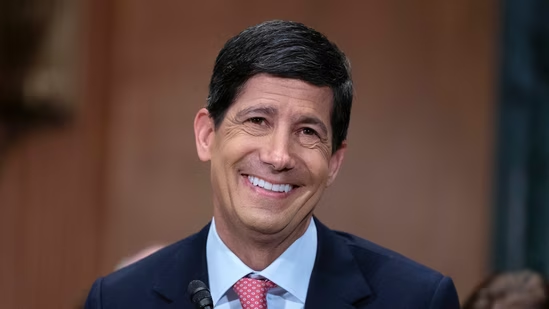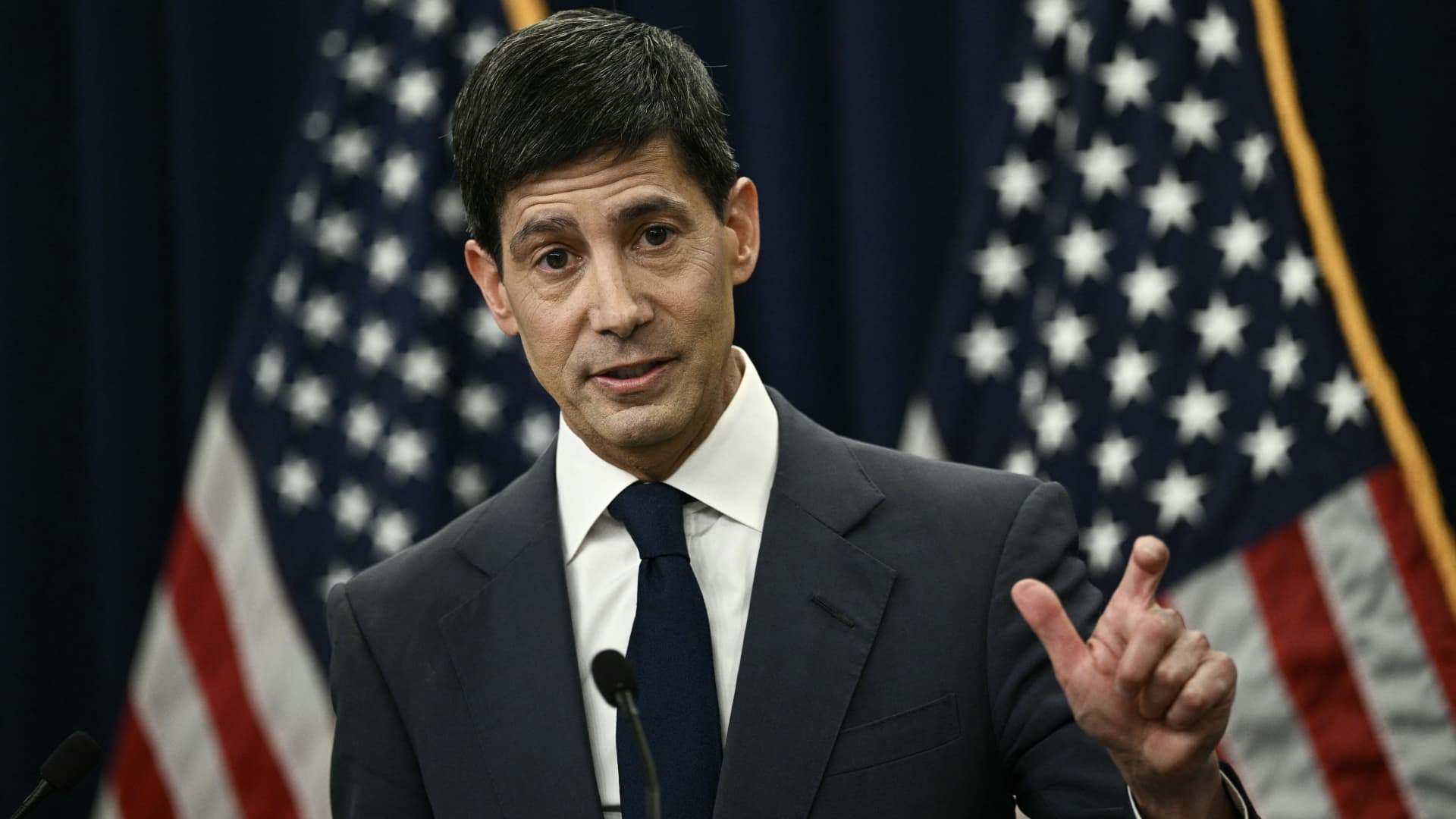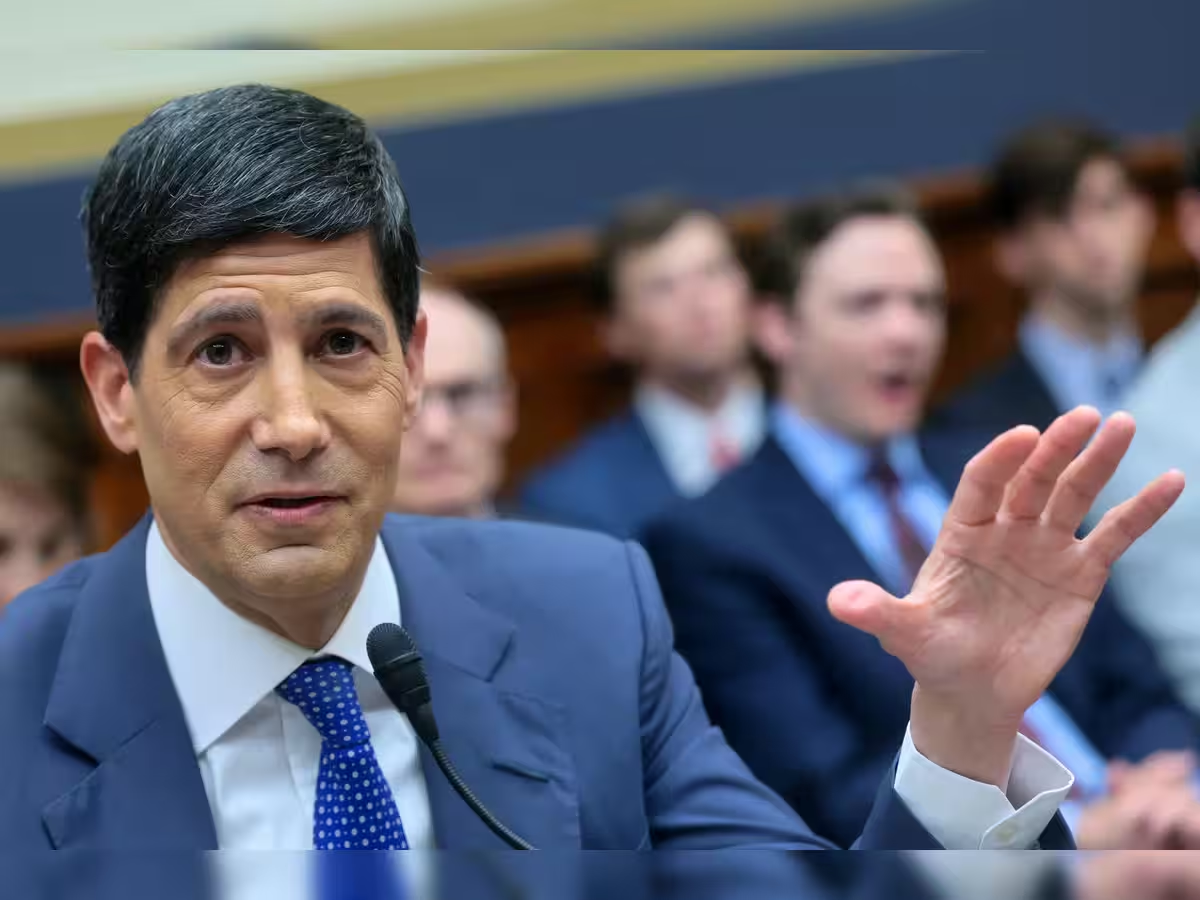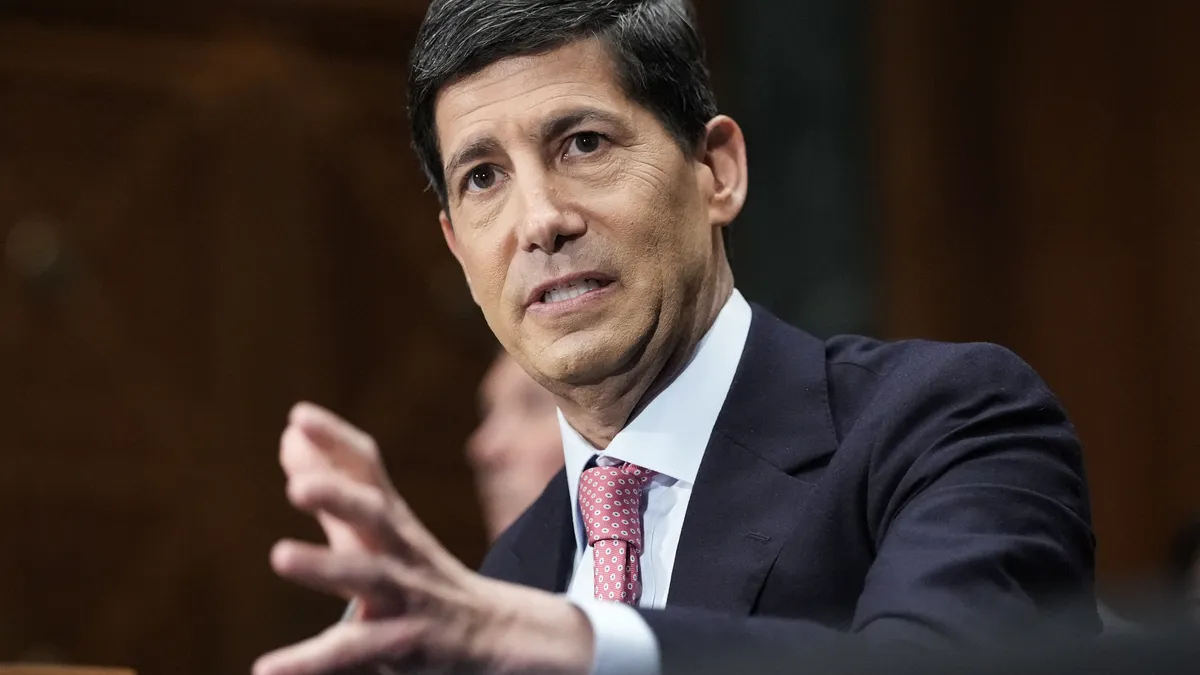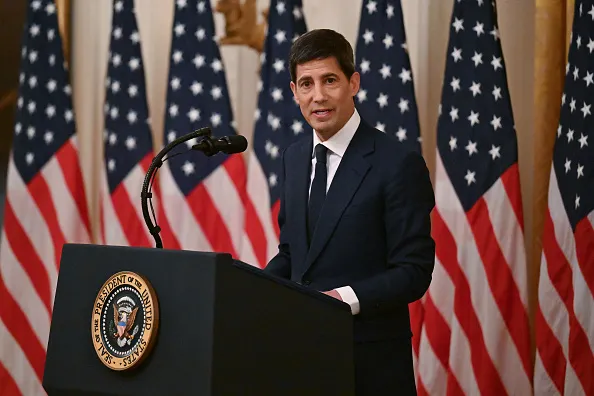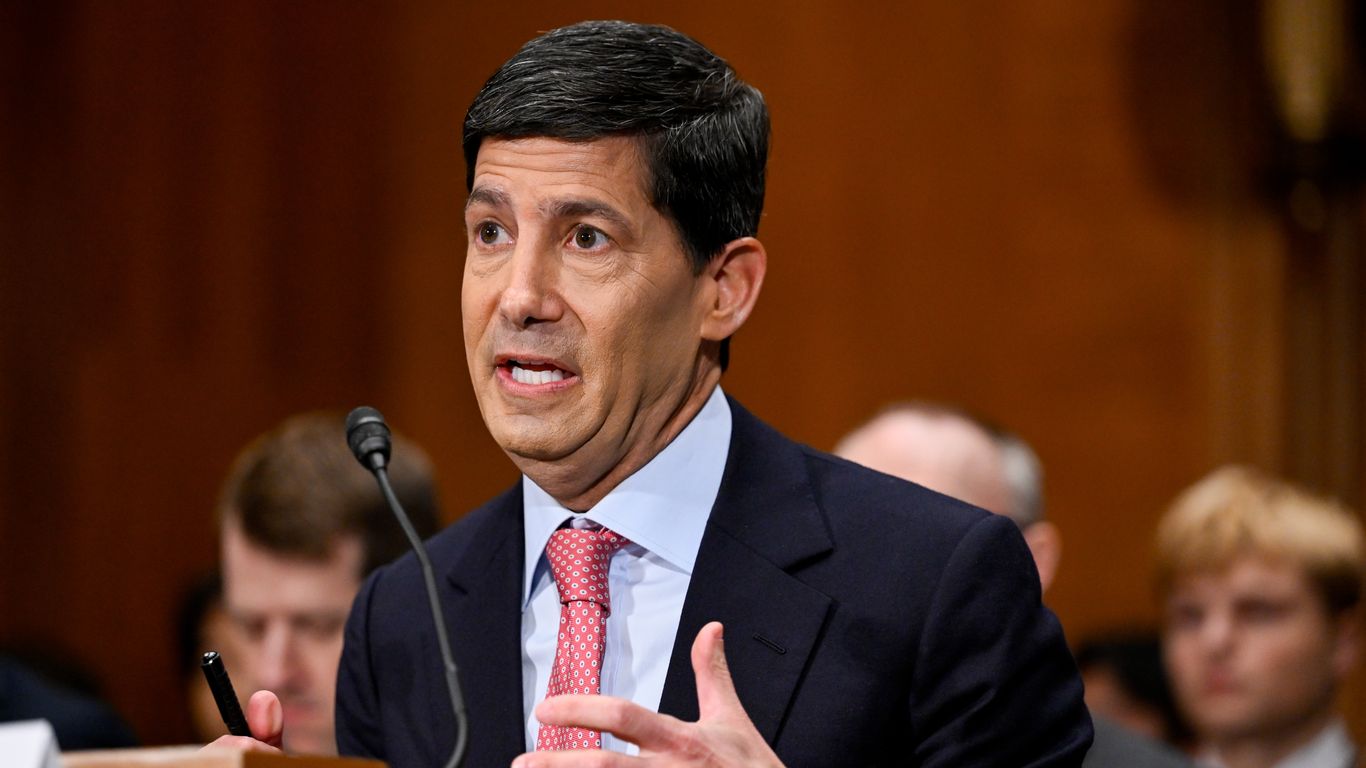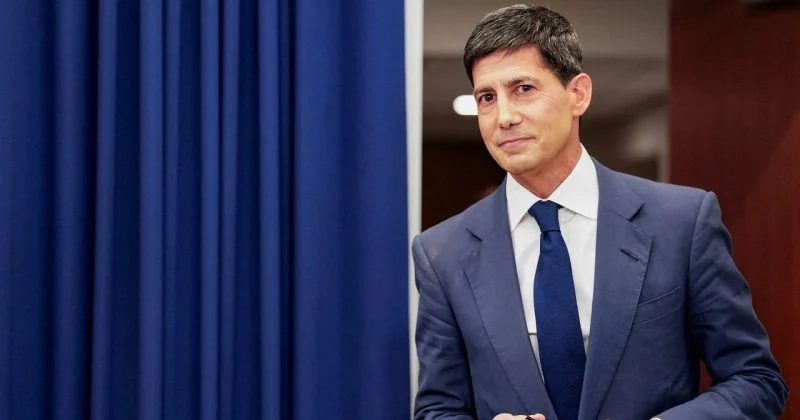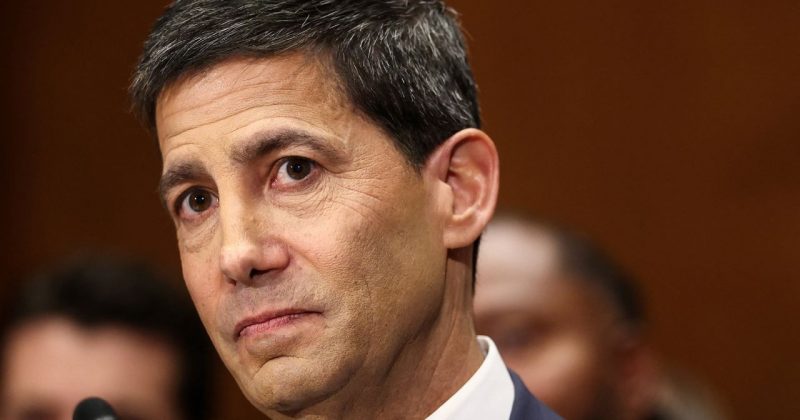
Kevin Warsh, the 17th Chair of the Federal Reserve, just delivered his first semiannual Monetary Policy Report to Congress. The headline takeaway: wages are rising at a reasonable pace, but nobody really knows when productivity gains, especially from artificial intelligence, will start showing up in workers’ paychecks.
What Warsh actually said
During his July 14, 2026 testimony, Warsh described nominal wage growth as “solid” and characterized it as moving at a “reasonable pace.” The labor market, in his view, remains stable.
The more interesting part was his framing of productivity. Warsh acknowledged that productivity growth has been robust in recent quarters, but noted that this strength actually predates any meaningful adoption of artificial intelligence across the economy.
Warsh called this an ongoing “puzzle.” Economists generally expect that when productivity rises, wages eventually follow, because workers are producing more value per hour. But the timing of that handoff is genuinely uncertain.