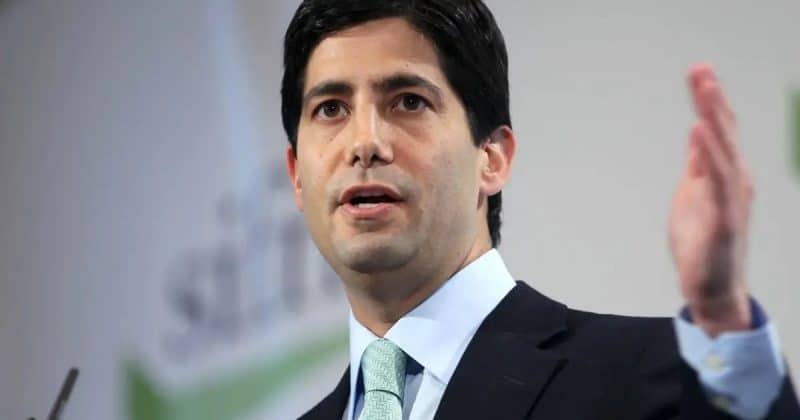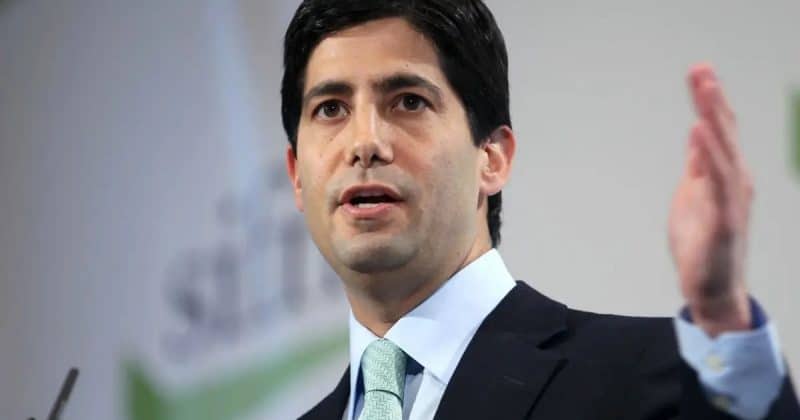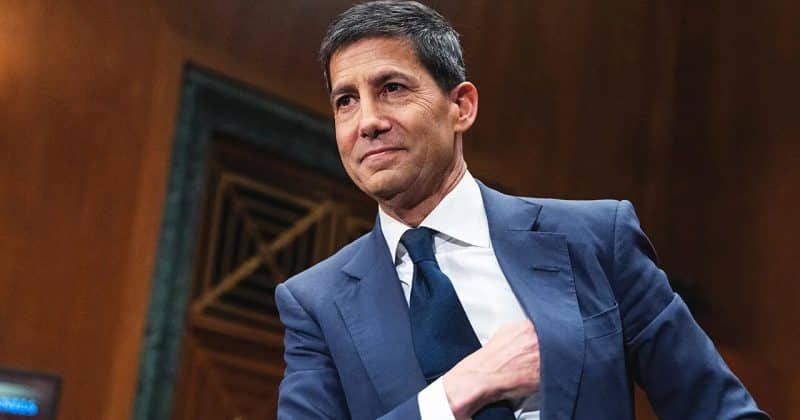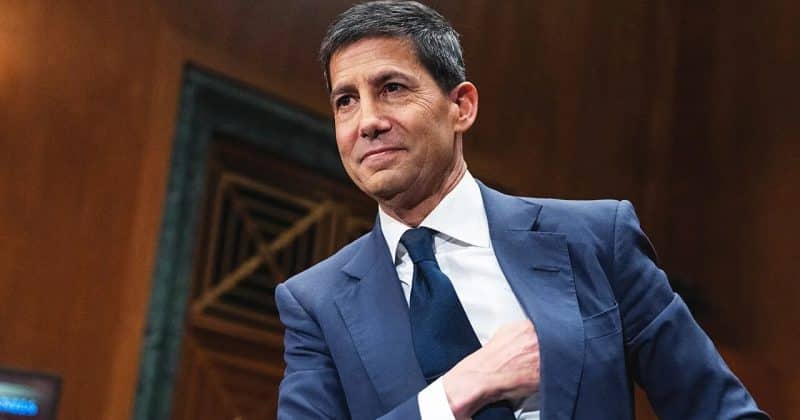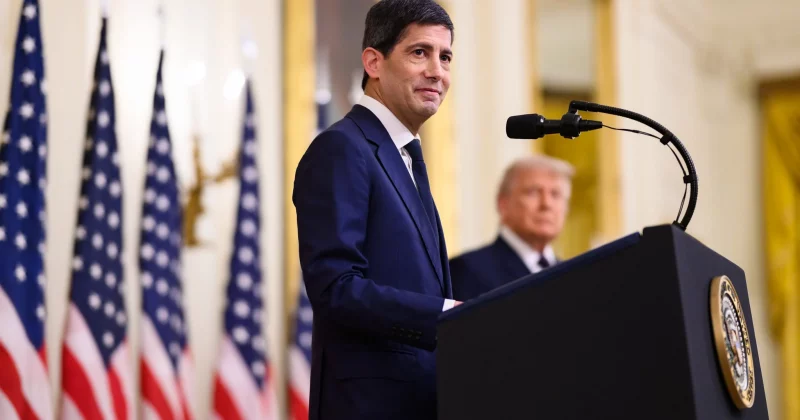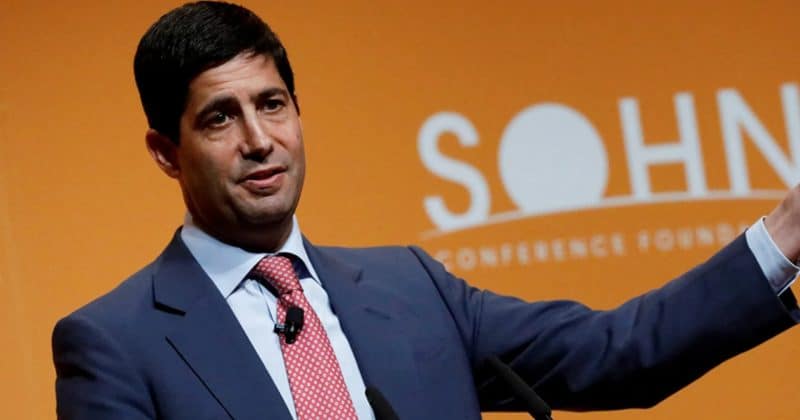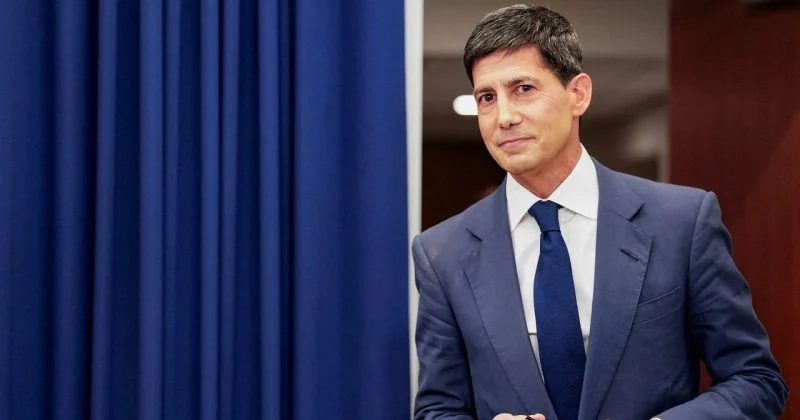
Kevin Warsh has been running the Federal Reserve for barely two months, and he is already making clear that the central bank will not be rushed. The former Fed governor, sworn in as Chair on May 22, 2026, has reiterated his commitment to getting inflation back to 2% before entertaining rate cuts, even as oil markets swing and artificial intelligence infrastructure buildout drives new demand pressures.
The inflation calculus Warsh is working with
At his inaugural Federal Open Market Committee meeting on June 17, 2026, Warsh guided the committee to hold rates at approximately 3.6%. He signaled there was little room for near-term adjustment in either direction.
Then, in early July, his tone shifted slightly. Warsh acknowledged that inflation risks have come down, while making clear the 2% target remains non-negotiable.
Two structural forces are making his job harder. First, oil prices remain elevated, complicated by the 2026 Iran conflict that injected fresh geopolitical risk into energy markets. When oil gets expensive, it bleeds into transportation costs, manufacturing, food supply chains, and eventually into the consumer price index that the Fed watches most closely.