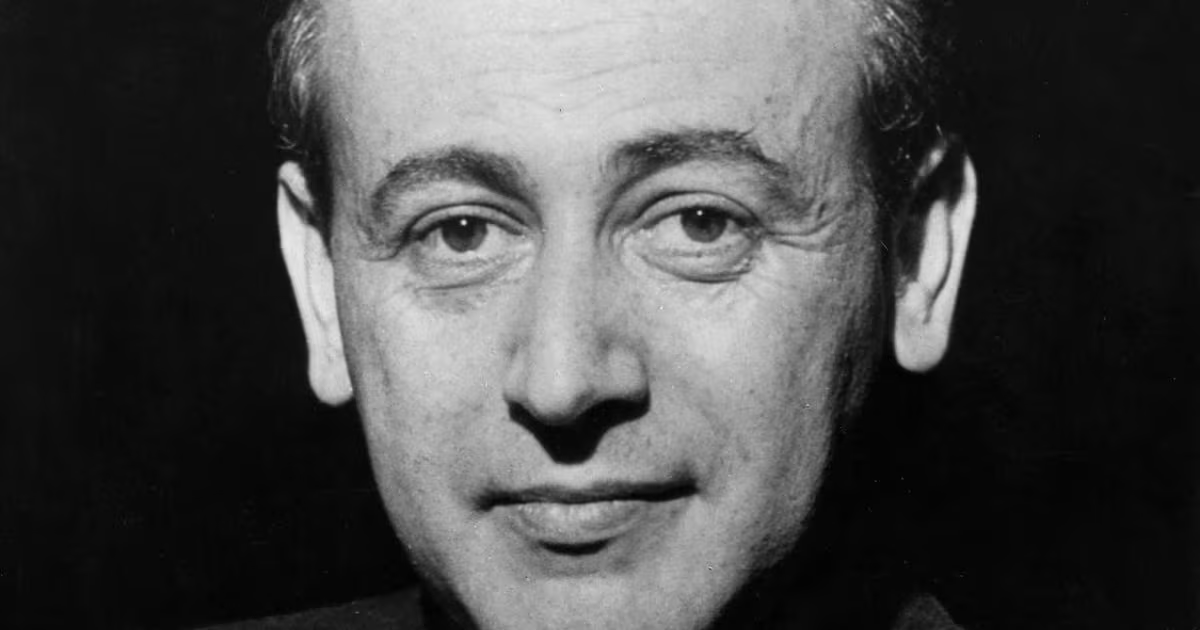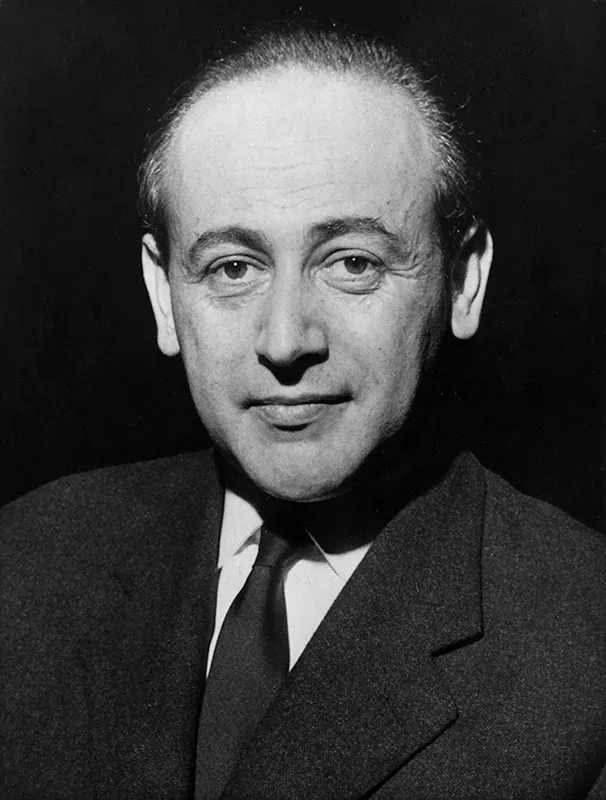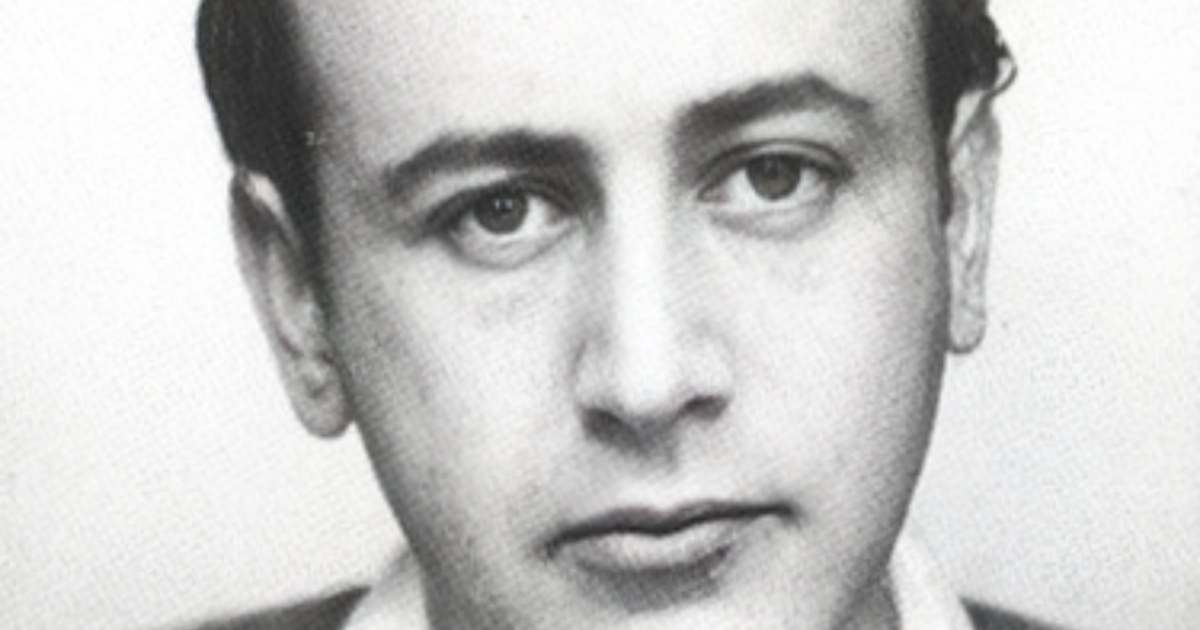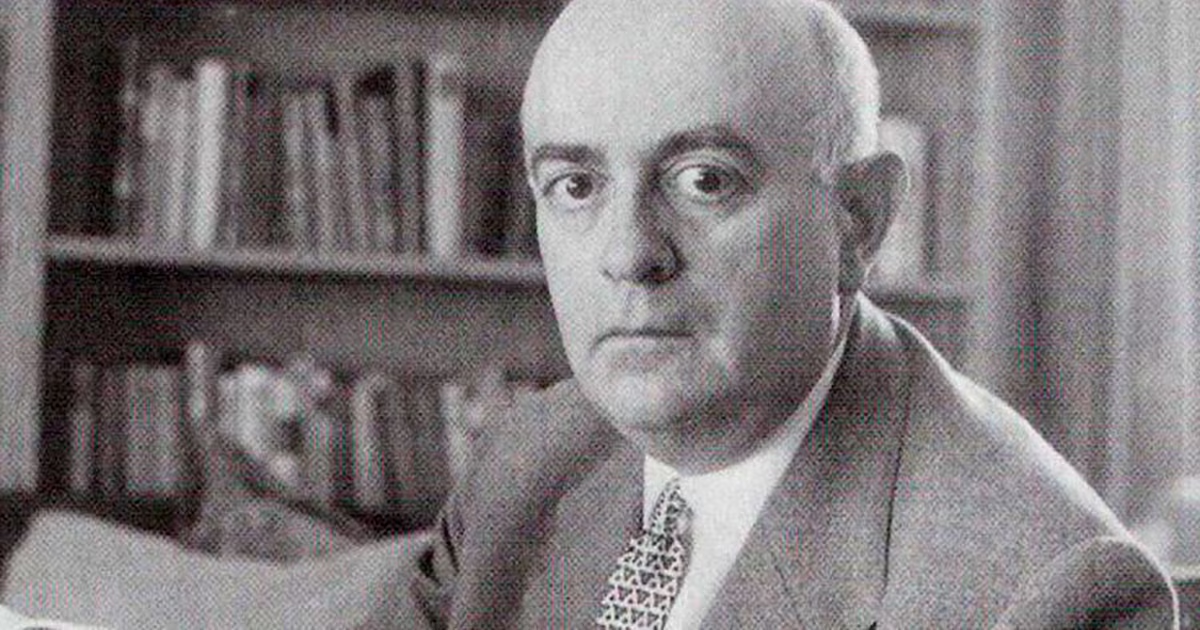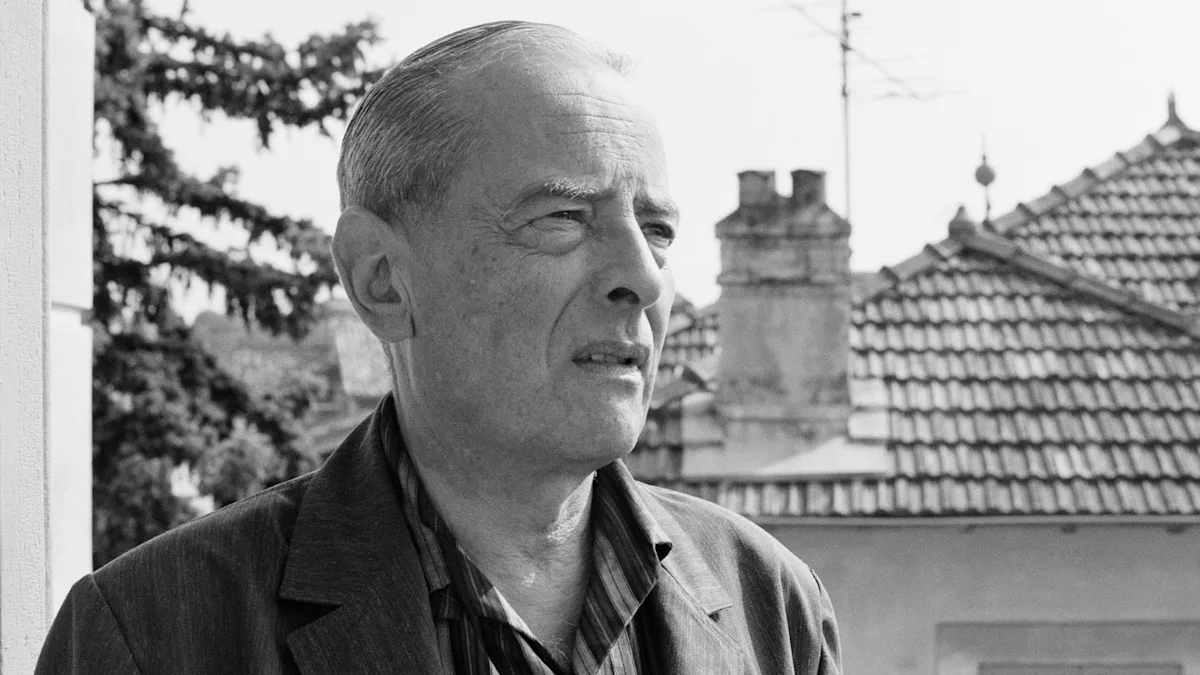
"To write poetry after Auschwitz," the philosopher Theodor Adorno famously –infamously – said, "is barbaric." That was in 1951, when the dust of German fascism was still settling in the mind of Paul Celan, who was indeed writing poetry after Auschwitz, and after the Holocaust had turned his world over. Celan, from the Bukovina region of Eastern Europe, lost home and family to the German murder machine, spending the rest of his life approximating, with language, his immeasurable grief.In Polish historian Anna Arno's elegant, engaging new biography, "Paul Celan: A Life," released in Polish in 2021 and out this summer in a seamless English translation by Soren Gauger, Celan's impossible reconciliation of his past to his poetry pulls focus.
Book Review • A genius encumbered by loss: A haunted Jewish poet is brought back to life
"To write poetry after Auschwitz," the philosopher Theodor Adorno famously –infamously – said, "is barbaric." That was in 1951, when the dust of German fascism was still settling in the mind of Paul Celan, who was indeed writing poetry after Auschwitz, and after the Holocaust had turned his world over. Celan, from the Bukovina region of Eastern Europe, lost home and family to the German murder machine, spending the rest of his life approximating, with language, his immeasurable grief.In Polish historian Anna Arno's elegant, engaging new biography, "Paul Celan: A Life," released in Polish in 2021 and out this summer in a seamless English translation by Soren Gauger, Celan's impossible reconciliation of his past to his poetry pulls focus.
119 words~1 min read