It aims to expand MAP cultivation to more than 1,700 hectares, support 80 start-ups and 25 export-oriented enterprises, while directly benefiting over 5,000 farmers and entrepreneurs.
| Photo Credit:
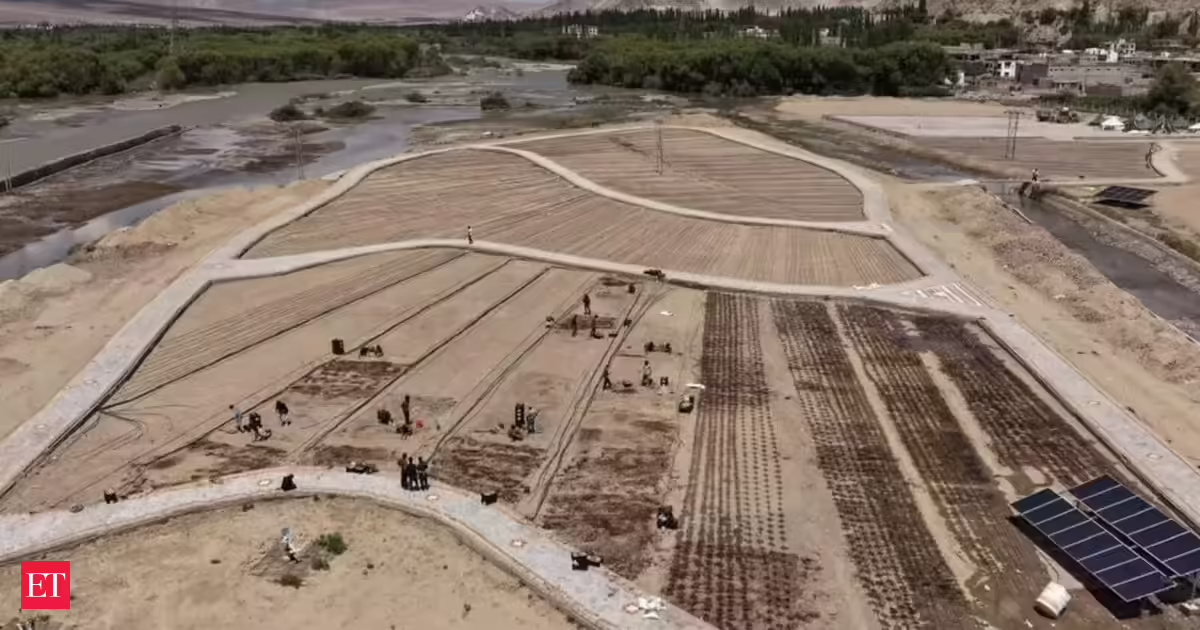
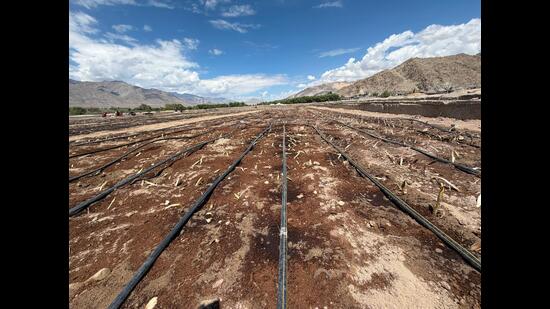
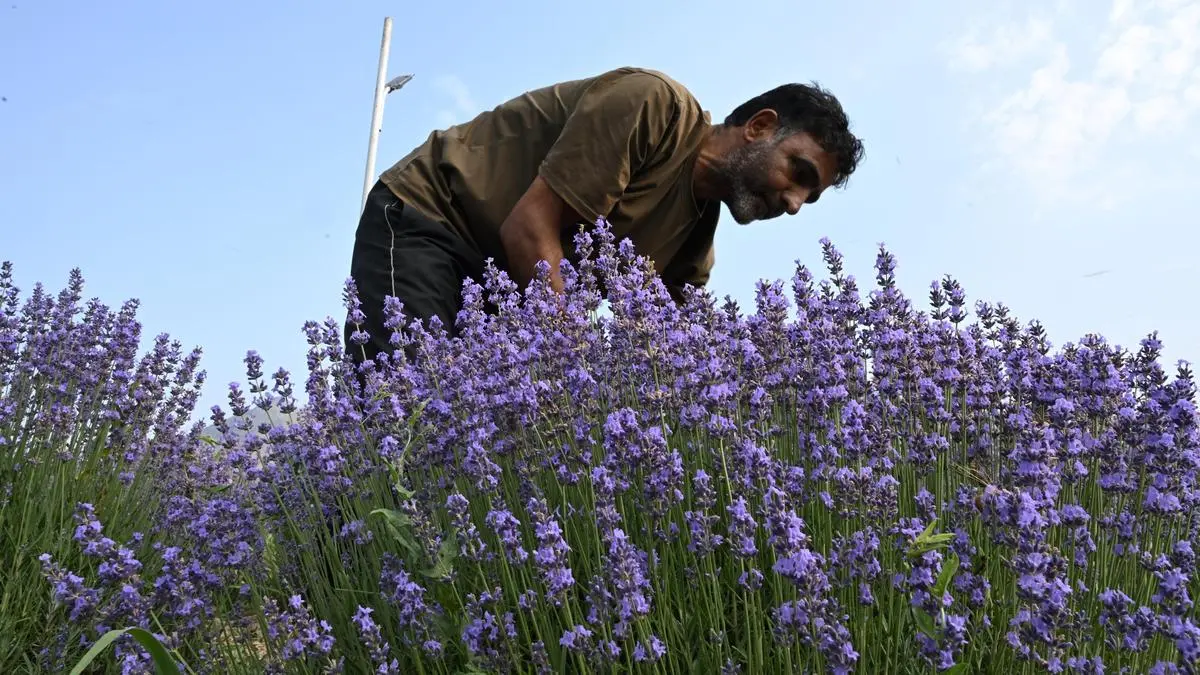
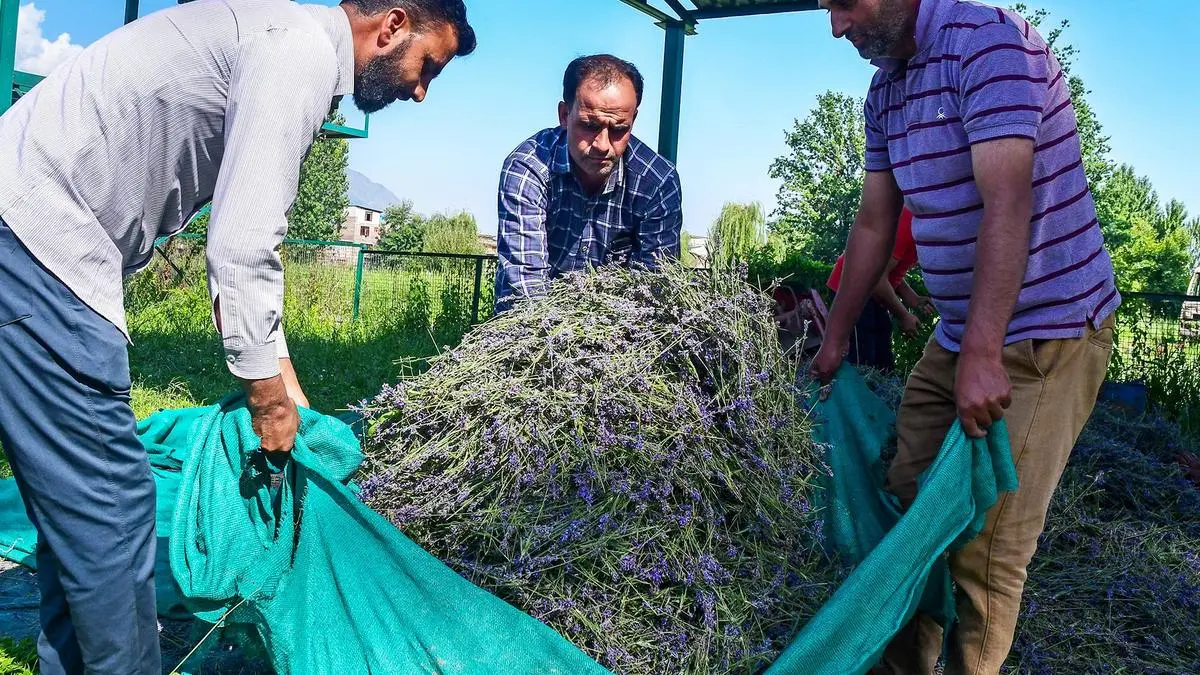
Jammu and Kashmir is planning to shift its medicinal and aromatic plant (MAP) sector from dependence on wild harvesting to organised scientific cultivation under a proposed multi-crore mission.The move reflects a recognition that despite being home to one of India’s richest repositories of medicinal plant species, the Union Territory has remained a marginal player in the country’s growing herbal economy, with limited organised cultivation, inadequate processing infrastructure and fragmented market linkages constraining the sector’s growth.The proposed roadmap envisages an investment of around ₹150 crore over six years to build an integrated ecosystem spanning conservation, scientific cultivation, research, processing, value addition and exports. It aims to expand MAP cultivation to more than 1,700 hectares, support 80 start-ups and 25 export-oriented enterprises, while directly benefiting over 5,000 farmers and entrepreneurs.From forests to farmsMuch of the medicinal plant trade in Jammu and Kashmir continues to rely on collection from forests, a practice experts said which can threaten fragile mountain ecosystems if not managed sustainably. The absence of large-scale cultivation has also limited the availability of consistent, quality raw material for the pharmaceutical, AYUSH and wellness industries.“The government now wants to encourage cultivation outside forest areas through scientific farming practices, supported by quality planting material, certification, processing facilities and stronger market linkages,” an official said.He said the objective is to reduce pressure on natural habitats while enabling farmers to cultivate high-value medicinal crops on a commercial scale. The proposed strategy will promote cluster-based cultivation in suitable agro-climatic zones, alongside measures to restore degraded forest ecosystems and conserve wild medicinal plant species.Officials said scientific cultivation would provide uniform quality, improve traceability and help growers meet domestic and international standards required by the herbal and pharmaceutical industries. It would also enable farmers to earn better returns by supplying certified raw material for processing rather than selling unprocessed produce.Building herbal value chainThe government also plans to strengthen the value chain through investments in primary processing centres, extraction units, branding, marketing and export promotion. Officials believe these downstream investments will generate employment in processing, packaging, logistics and entrepreneurship while positioning Jammu and Kashmir as a leading producer of high-value Himalayan medicinal plants.Published on July 15, 2026