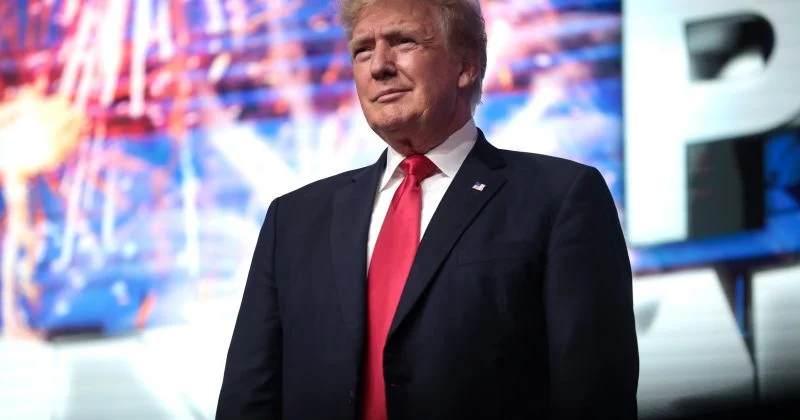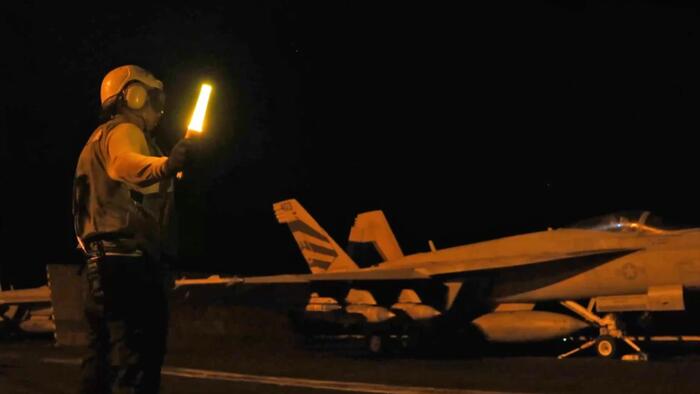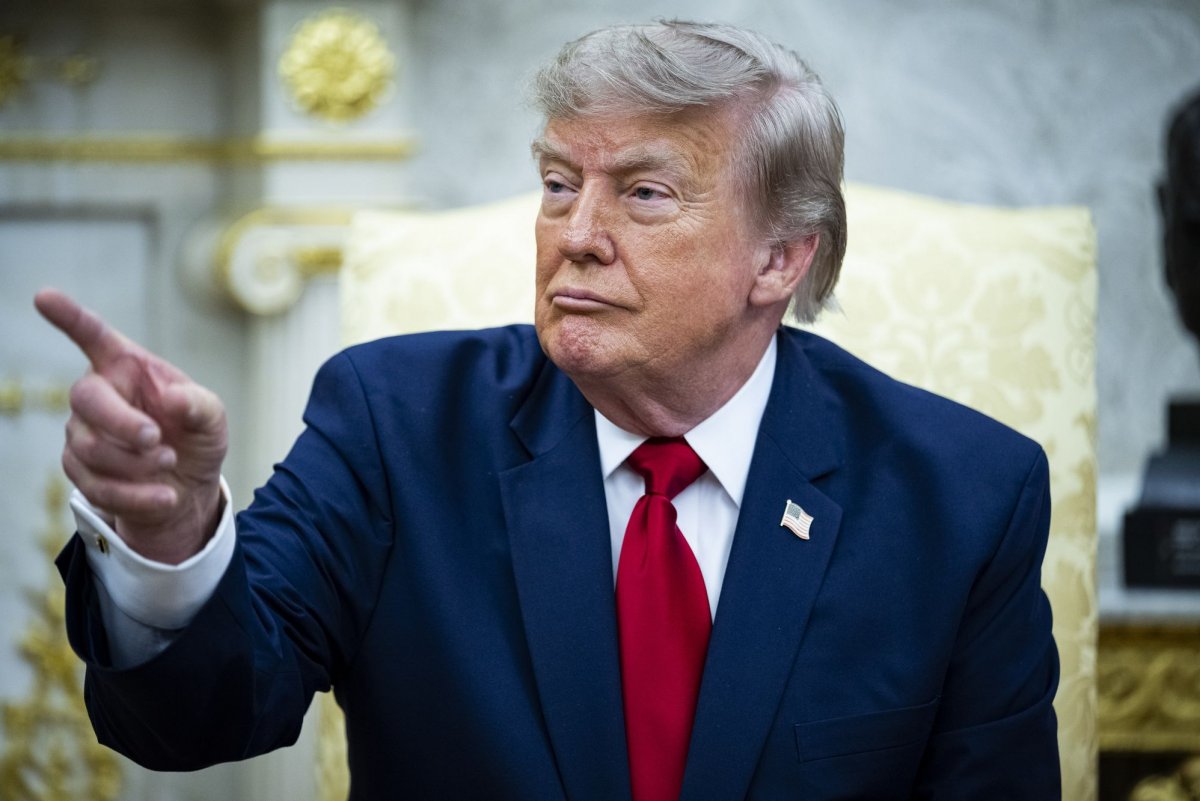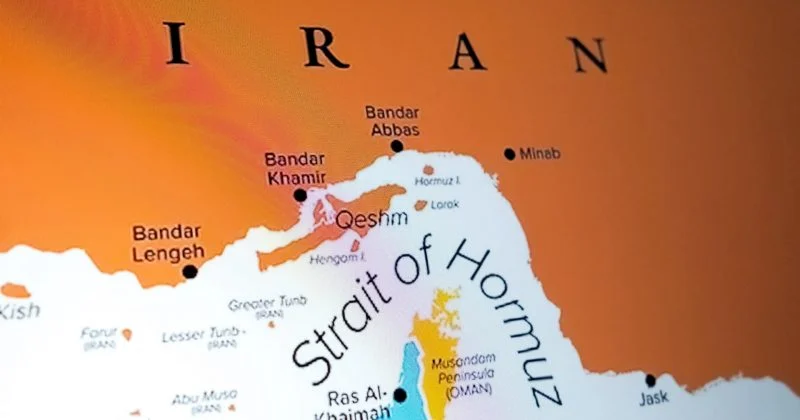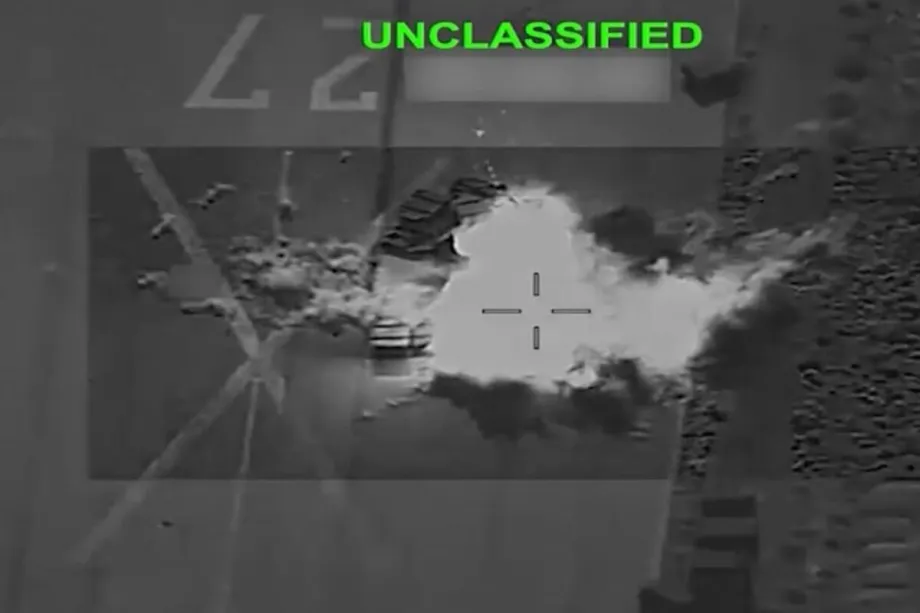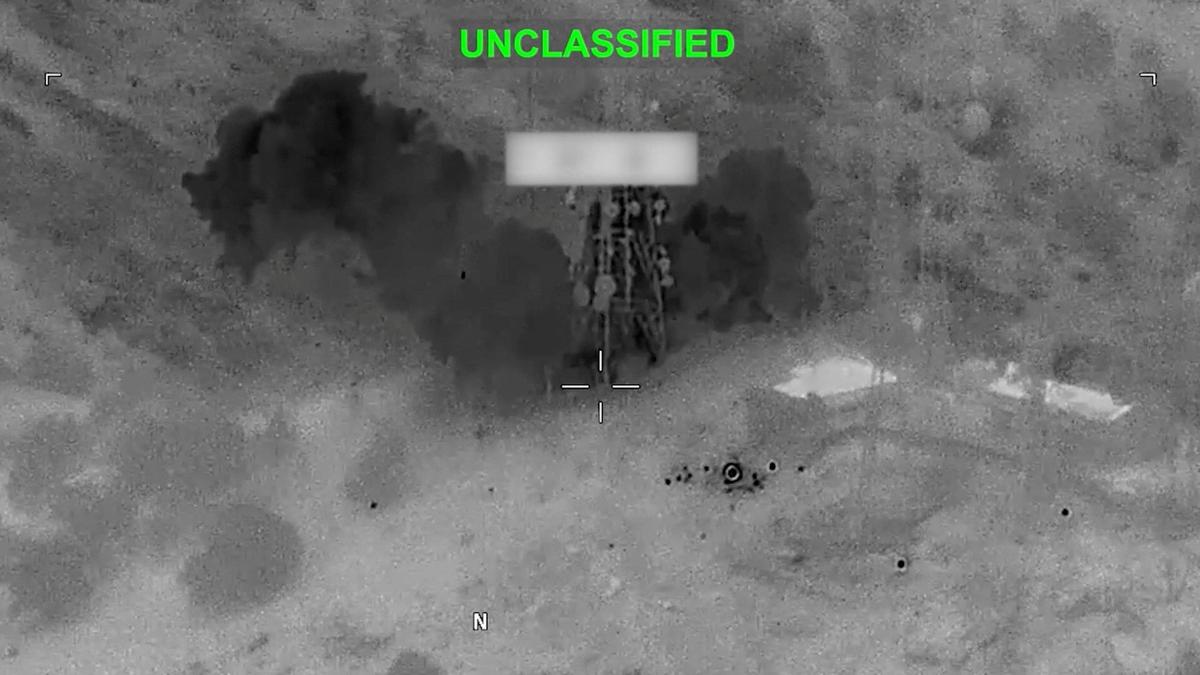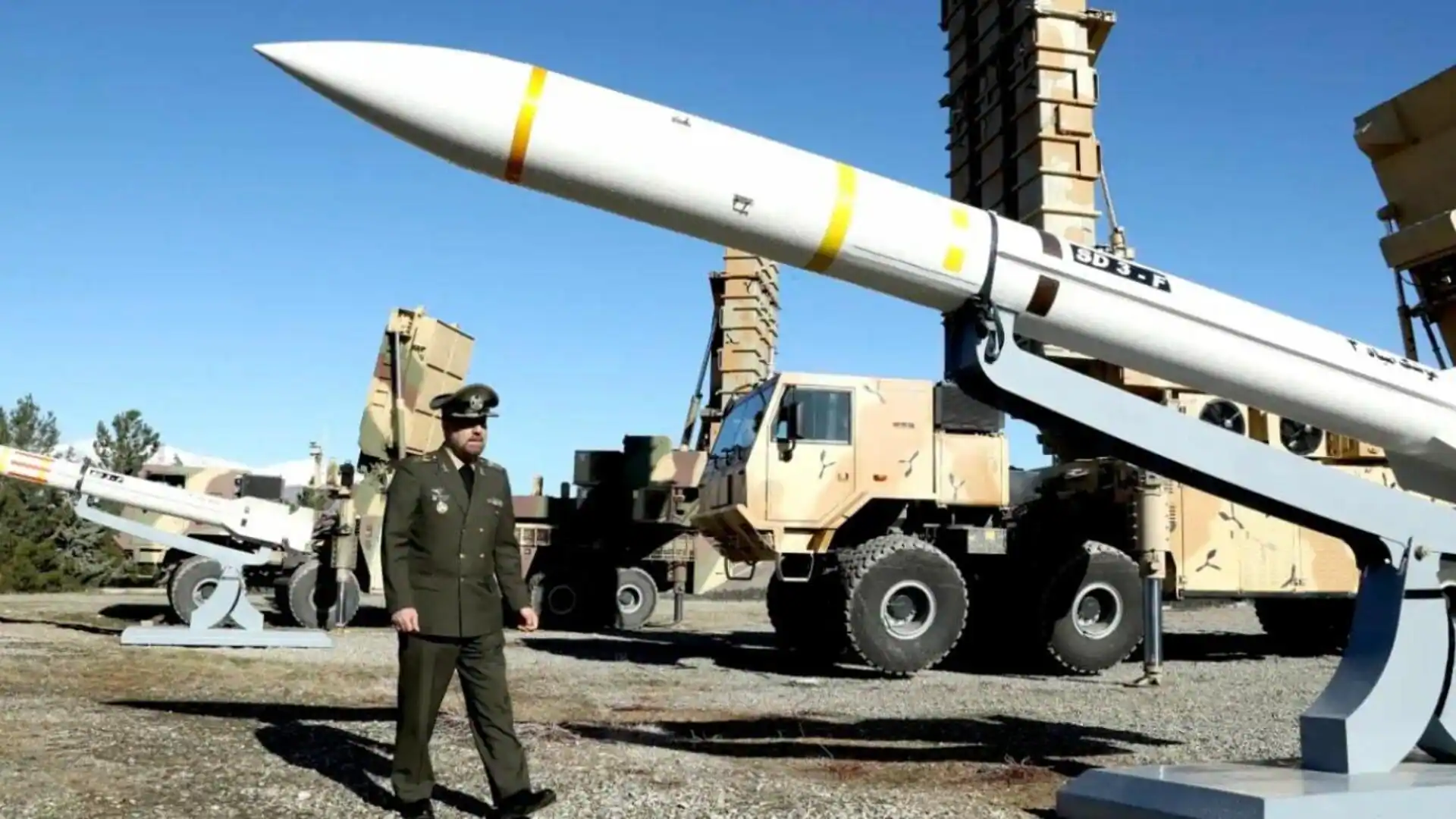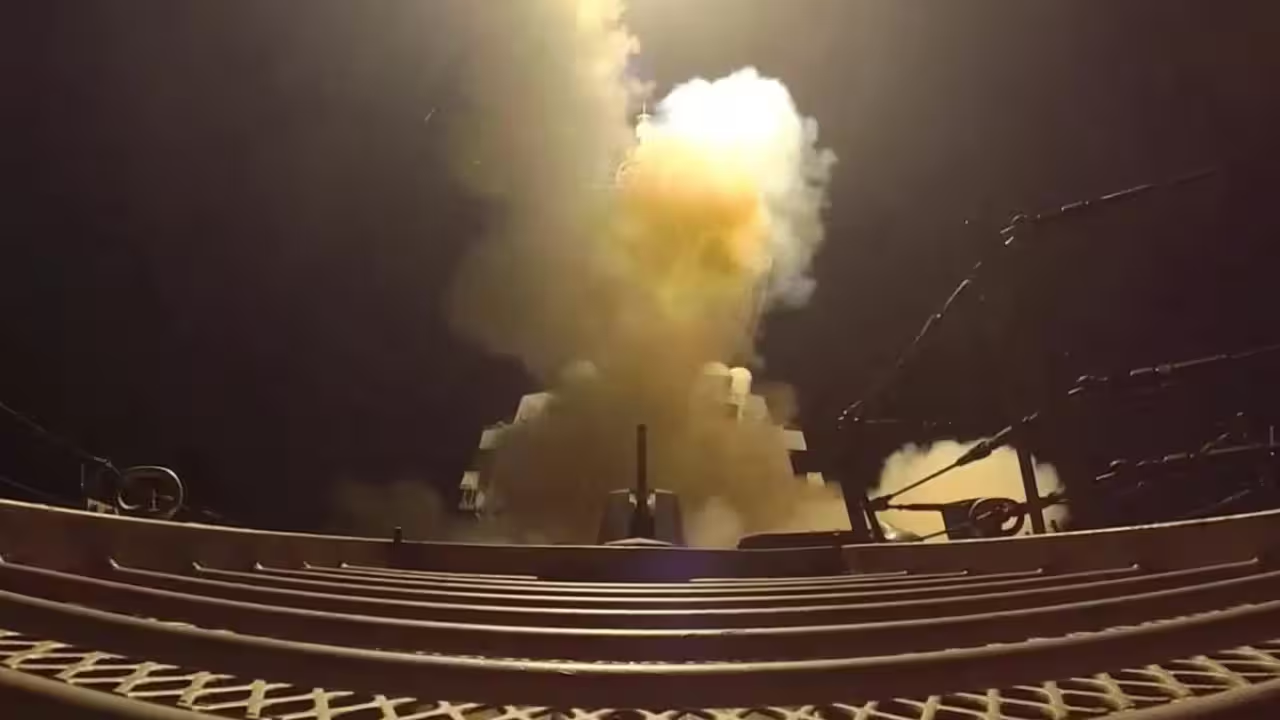
The sustained military conflict between the United States and Iran has entered its fifth consecutive day, with both nations exchanging heavy strikes. The tension escalated after the collapse of an interim ceasefire on July 8, which was initially prompted by Iranian attacks on commercial vessels in the Strait of Hormuz. In response, the U.S. launched retaliatory strikes on Iranian territory. Former President Donald Trump has further inflamed the situation by threatening to target Iranian power plants if the Strait remains closed, a move that legal experts suggest could contravene international law.
This ongoing conflict is part of the broader 2026 Iran War, which also involves Israel and has seen Iran retaliating with strikes on U.S. bases in Kuwait, Bahrain, and Qatar. Markets appear to be reacting to this development by adjusting expectations on the likelihood of US-Iran diplomatic agreements. Current pricing in prediction markets suggests increased skepticism about the inclusion of reconstruction funding in any potential deal by the end of 2026.
Key Takeaways
The market for Iran reconstruction funding in a US-Iran deal by 2026 appears less optimistic, with a current probability of 25% YES.