For years I thought I was bad at sleeping. Turns out I was just following advice that didn't fit my life.
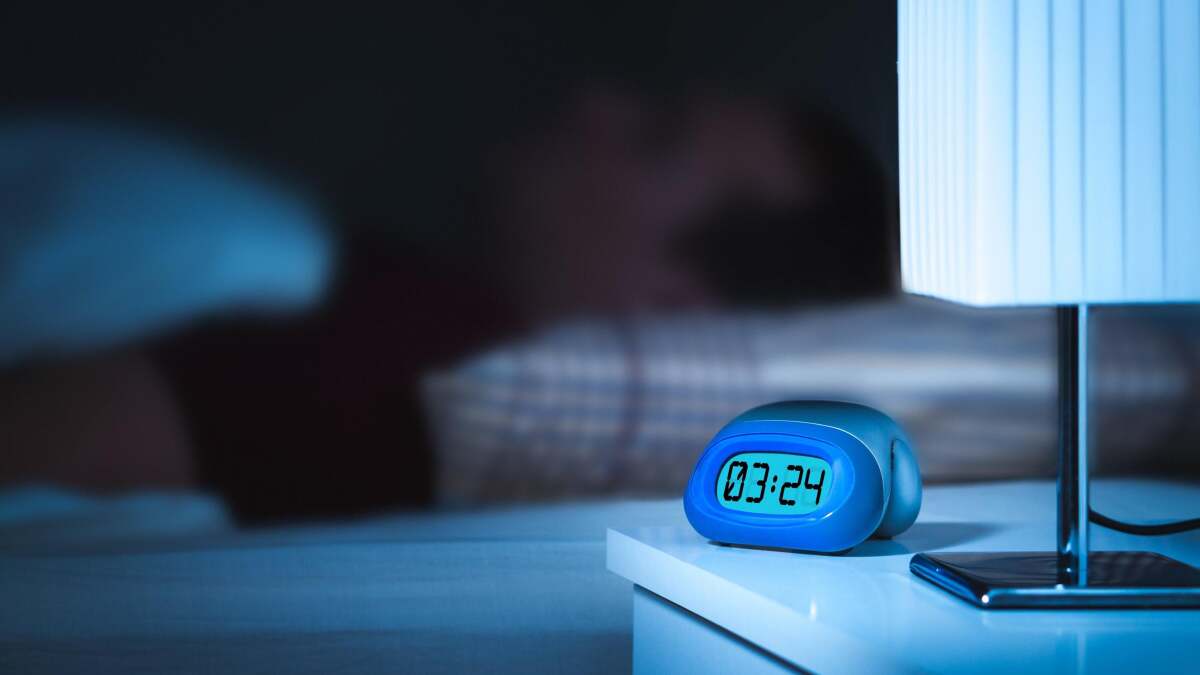
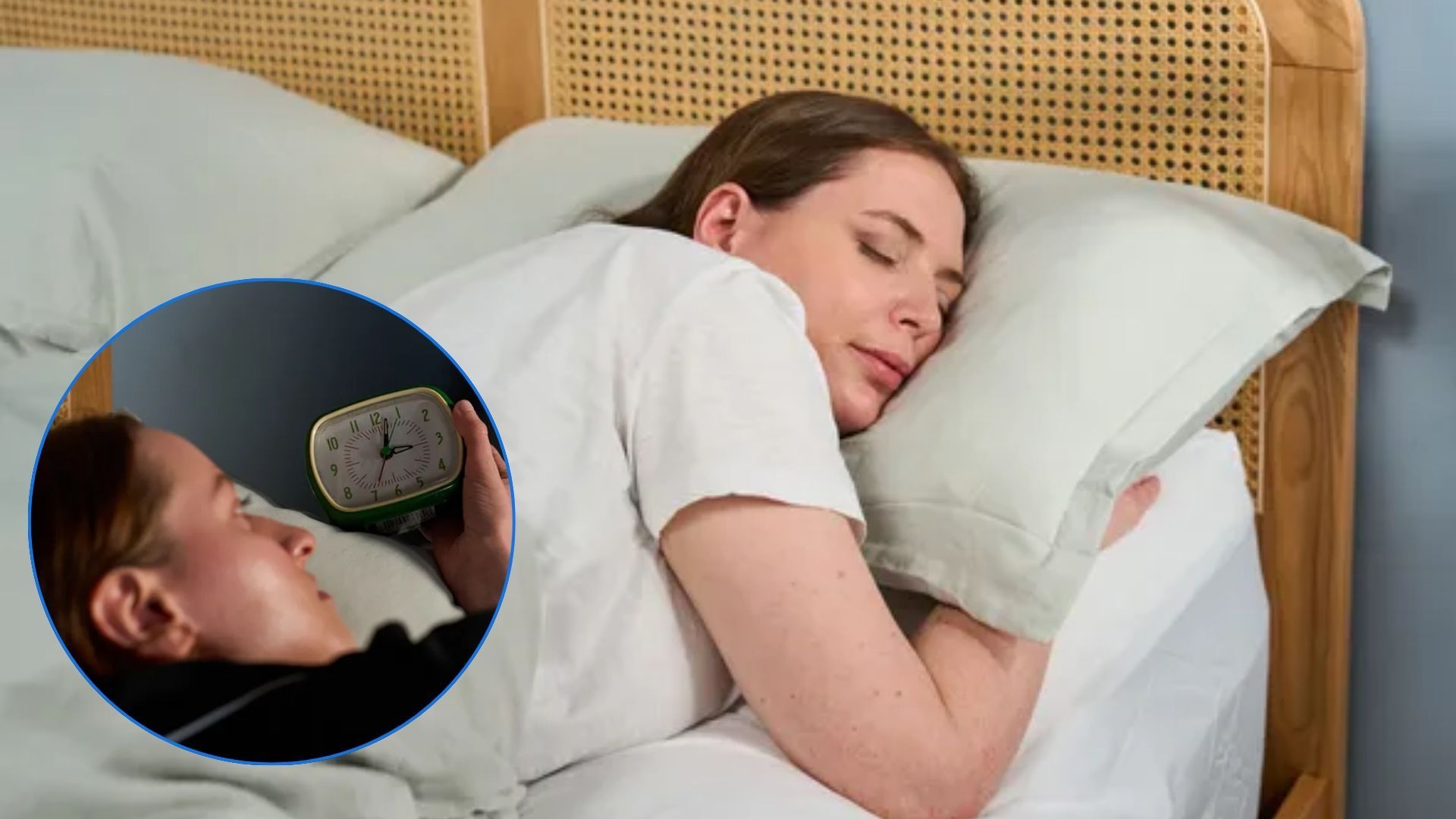
You've read the lists. No screens an hour before bed. Same bedtime every night, weekends included. Cool, dark room. Chamomile tea. A "wind-down routine." I tried all of it, diligently, for about three weeks each time, and I still lay awake at 1am doing math about how many hours I had left before my alarm.
What actually changed things wasn't a new rule. It was noticing how much of my sleep advice was designed for a hypothetical person with a 9-to-5, a spouse who goes to bed at the same time, and zero anxiety. I have none of those things. So here's what I actually learned, minus the parts that were just noise.
The 8-hours number is a average, not a rule for you
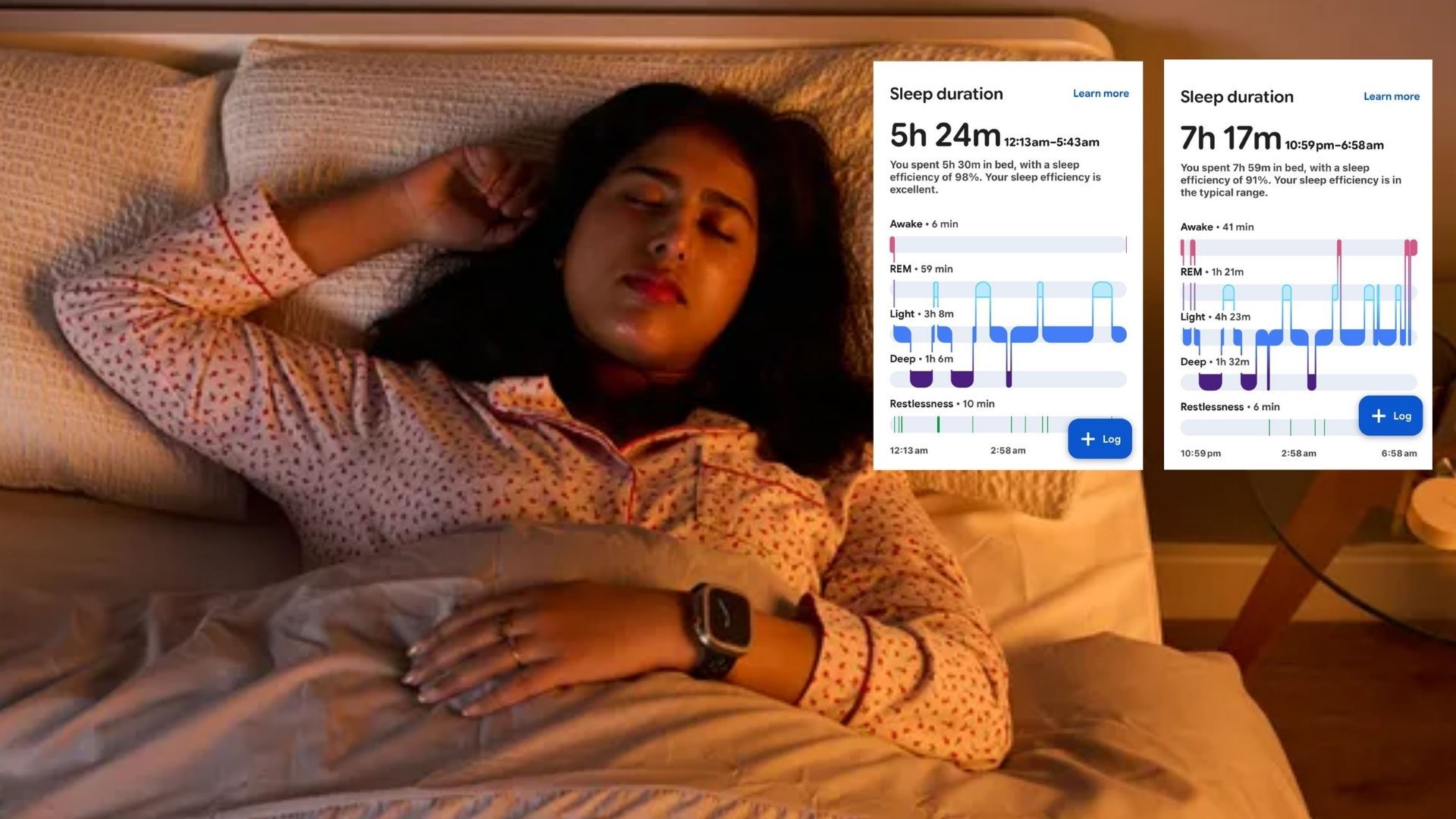
Somewhere along the way "8 hours" became a moral benchmark. If you get 6, you failed. If you get 9, you're lazy. In reality it's a population average, and the range of what's normal for adults is wide — some people are genuinely fine on 6.5, some need closer to 9. I spent a long time forcing myself to lie in bed for 8 hours and getting frustrated when I wasn't asleep for all of them, which is its own kind of insomnia-inducing pressure. Once I stopped watching the clock and started watching how I actually felt the next day, I figured out my number is closer to 7. Not everyone's is.