(Image credit: Future)
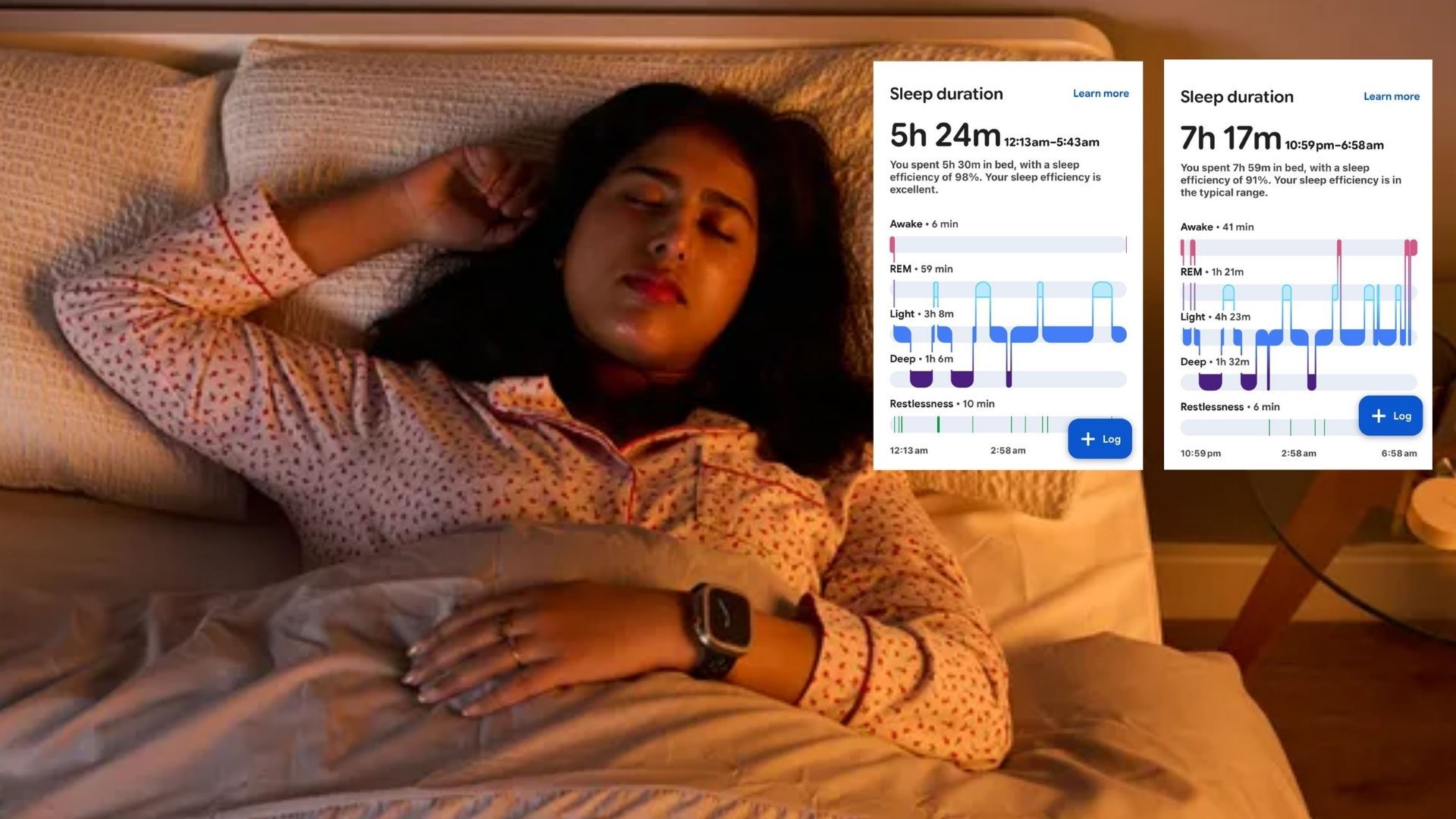
I haven’t had a consistently decent stint of quality sleep in over a decade. A combination of parenthood, the stressors of daily life and a poor late night social media habit (my willpower is no match for Meta) mean it’s fairly standard for me to clock anywhere between 5-6+ hours of sleep.However, a recent epiphany means I think I’ve finally cracked the code to tackling my sleep issues. And the ‘trick’ to being able to fall asleep fast and skip the 3 a.m. wake-ups was staring me in the face all along. It all comes down to sleep pressure. Sleep pressure, sleep drive, sleep hunger — they’re all terms used interchangeably that mean the same thing. It’s basically your biological urge to want to go to sleep. What experts have been telling me for years, and what I’ve only just fully grasped, is that there’s plenty you can do to increase your sleep pressure, which makes it easier to fall asleep.Key takeaways: At a glanceSleep pressure is your biological urge to want sleep. It begins building from the moment you wake up, before dropping again once you fall asleep.Exercise, a consistent sleep schedule, an adequate window between your wake and sleep time are all ways to increase your sleep pressureSedentary lifestyles, excess caffeine and lack of natural light are examples of how your sleep pressure can be impactedAfter taking steps to increase my daily sleep pressure, I’ve noticed that I sleep better and for longerWhat is sleep pressure?