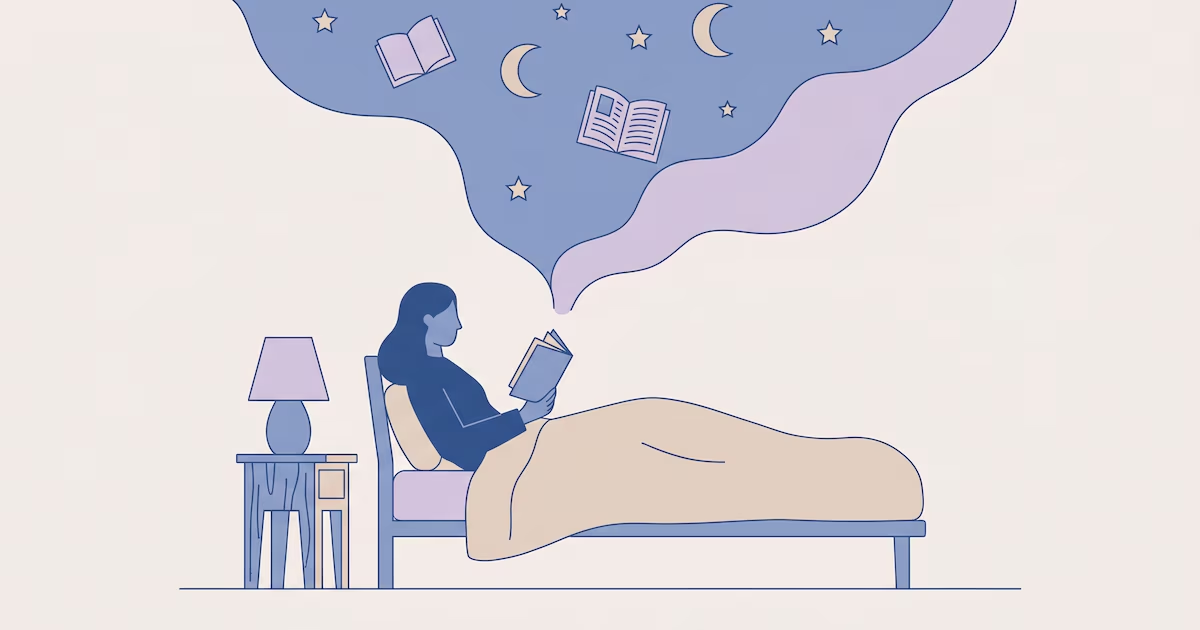
My favorite place to read is in bed: it's cozy, comfortable, and people can't distract me when I'm getting to the good bit. I'm happy to spend the evening tucked up with a book but recently I've found that when I close the page and turn the light off, it's taking me a long time to fall asleep.So I turned to the experts. Dr. Jessica Weatherford, psychologist, explained my pre-bed reading marathons aren't the soothing habit I thought they were. Instead, I'm breaking one of the "most important factors in consistently healthy sleep" by teaching my brain the bed isn't just for dozing off."Maintaining a strong bed-sleep association is a major contributor to healthy sleep and can help reduce the risk of insomnia symptoms," says Dr. Weatherford. And it's not the only seemingly innocuous habit that might be causing your sleep woes, as she explained. Here's what you need to know.Key takeawaysWhen you consistently use your bed for sleep only, you teach your brain that climbing into bed is a cue to drift offDoing other things in bed, such as reading or watching TV, weakens this association between bed and sleep. This makes it harder to fall asleep and can leave you lying awake when your sleep is disruptedIf you do want to read in bed, keep it short, dim the lights and don't read anything too stimulatingWhy reading in bed can stop you from falling asleepIf you're sleeping on one of the best mattresses for your sleep style, it's far too easy to treat this comfy retreat as a second couch. However, using your bed for reading, scrolling, worrying, online shopping... almost anything other than sleeping, can confuse your brain about the purpose of the bed."When bed is used mostly for sleep, getting into bed becomes a cue for the brain and body to transition toward sleep," says Dr. Weatherford, an insomnia expert at Catalyst Psychology.
It was taking me ages to fall asleep until a doctor told me to stop making this common bedtime mistake
A doctor explains why it's important to maintain the bed-sleep connection and how to create an evening routine that won't ruin your sleep
1,160 words~5 min read