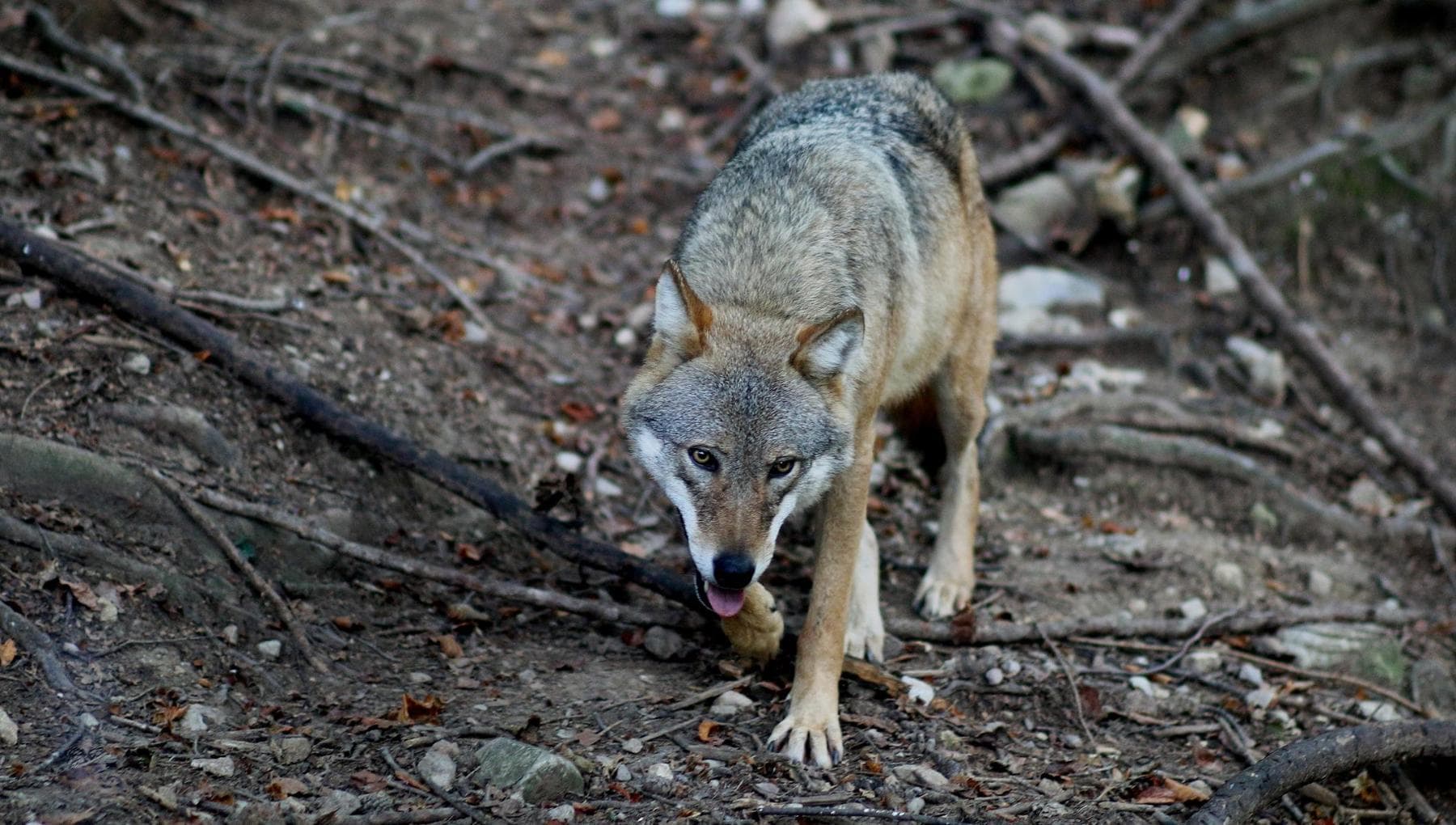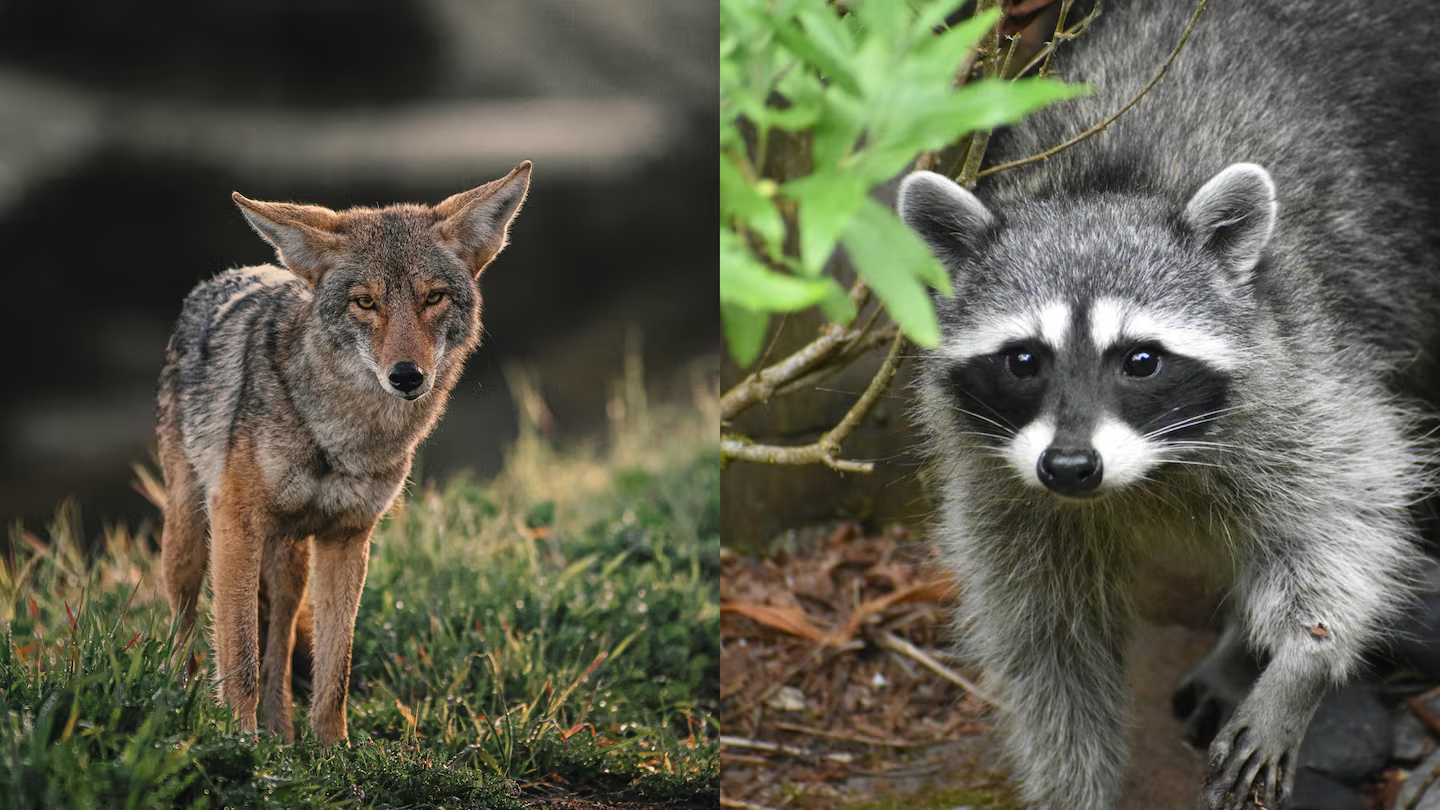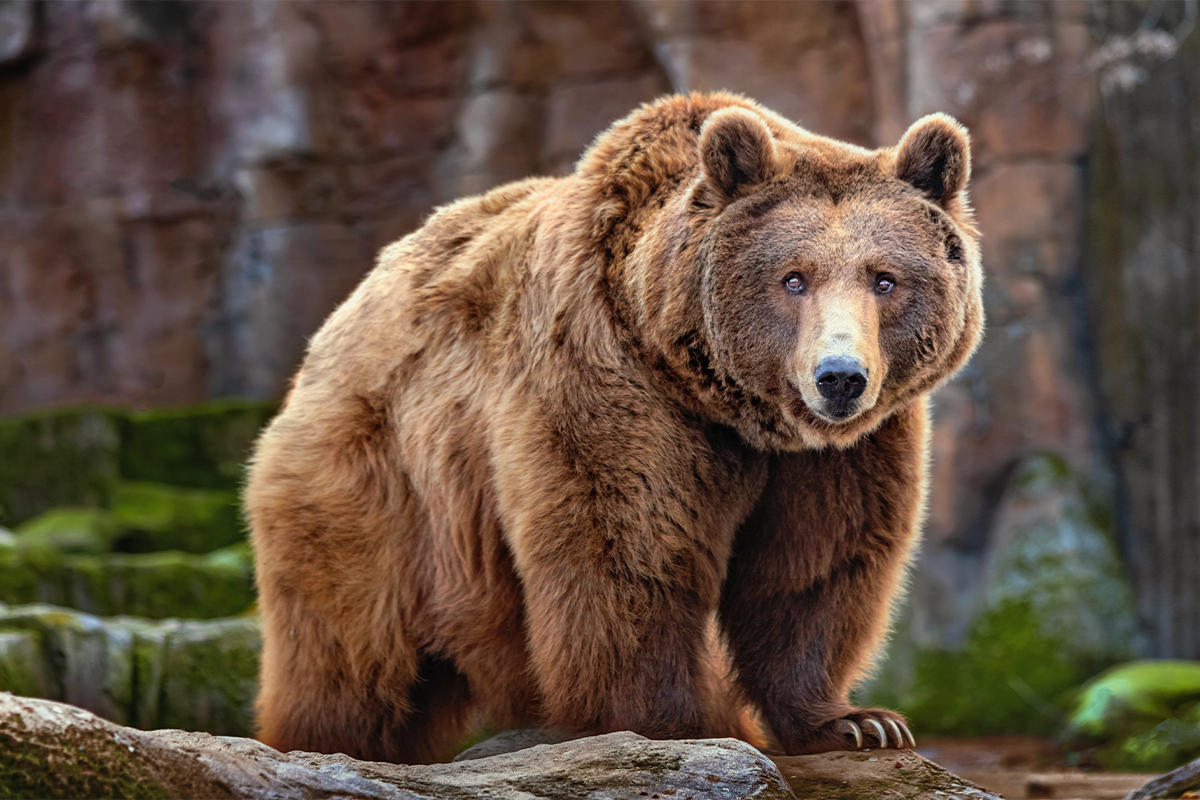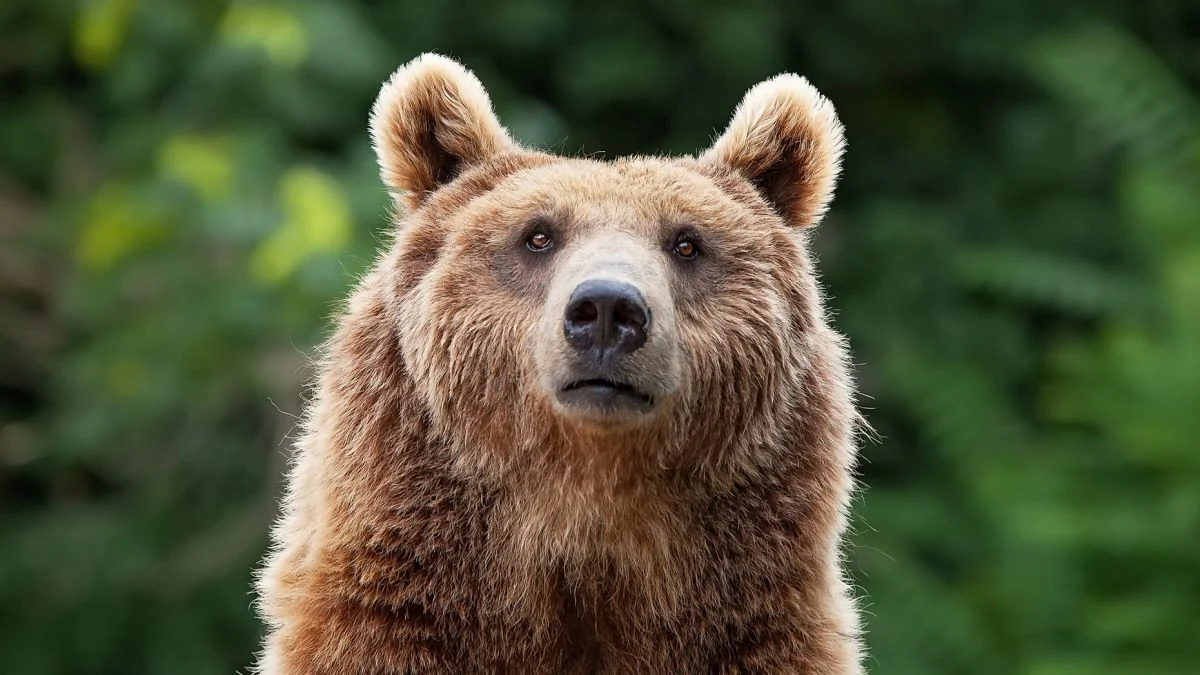
Humans have earned a reputation as "super-predators" because they hunt, trap, and fish on a scale unmatched by other predators. These activities can reshape animal behavior across entire landscapes. However, new research led by the Centre for Ecological Sciences, Indian Institute of Science (IISc), suggests that wildlife does not respond to every type of human presence in the same way.
Animals consistently show fear when people pose a direct lethal threat, such as through hunting or fishing. Their reactions to non-lethal human activity, however, are much less predictable.
How Wildlife Responds to Human Threats
The meta-analysis, published in Ecology Letters, brought together three decades of research examining how wild animals alter their behavior around humans. The researchers compared changes in feeding, vigilance, and movement across many species and ecosystems to determine whether people are always perceived as an extreme danger.
"The short answer is: no, not always," says Shawn D'Souza, PhD student at CES and the study's lead author. "We found strong evidence that lethal humans such as hunters and fishers are indeed perceived as threatening. Animals in areas exposed to lethal humans tend to be more vigilant and spend less time foraging. In contrast, responses to non-lethal humans such as tourists or researchers are weaker and more variable."