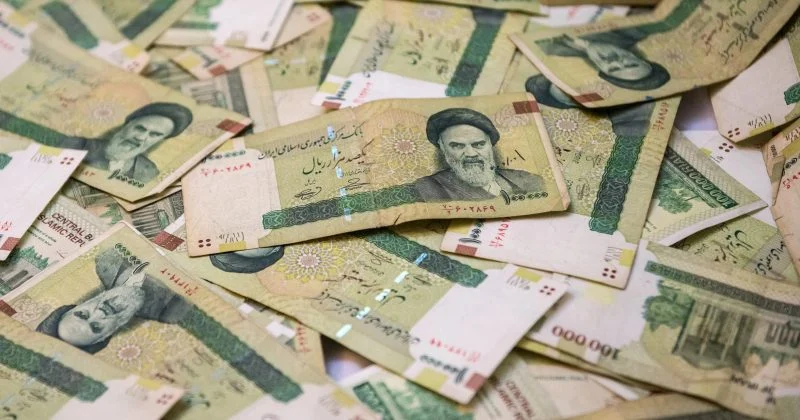
Iran has suspended welfare payments for disabled families due to budget constraints, a decision reflecting the country’s current economic difficulties. This move comes amid ongoing economic and wartime pressures, following significant financial strain from the recent conflict known as Operation Epic Fury. The Iranian government has prioritized military reconstruction over social services, leading to a funding shortfall in the State Welfare Organization. This shift has affected thousands of welfare recipients, highlighting the domestic challenges Iran faces as it seeks to manage both reconstruction efforts and social needs.
The cuts to welfare payments could exacerbate existing tensions within Iran, potentially influencing the country’s broader political and economic strategies. Markets have interpreted these developments as indicative of decreased likelihood for a final nuclear agreement with the U.S. by August 13, 2026. This is reflected in the pricing on relevant prediction markets, which suggests increased domestic unrest may complicate diplomatic negotiations.
Key Takeaways
Market pricing suggests decreased likelihood of a US-Iran nuclear deal by August 13, 2026, following Iran’s suspension of welfare payments.