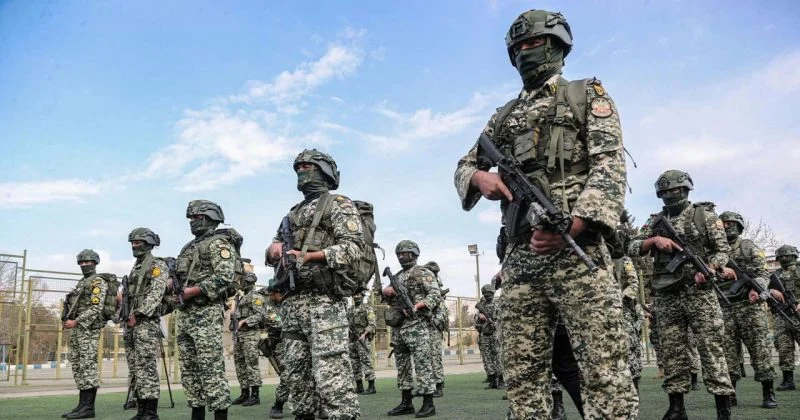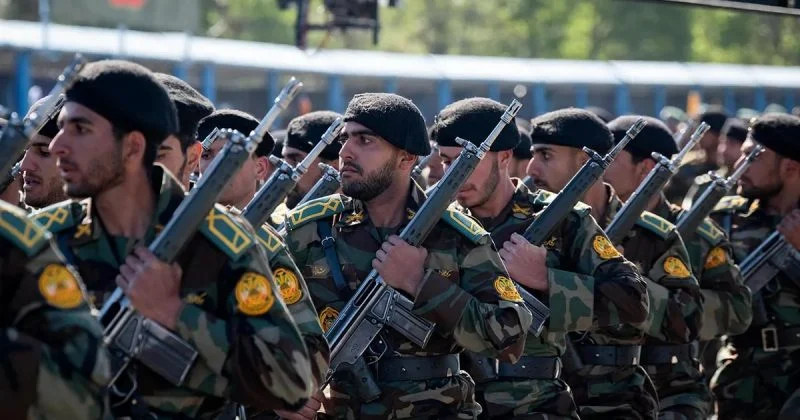
Iran’s top negotiator, Mohammad Bagher Qalibaf, reaffirmed Tehran’s commitment to safeguarding its national security through military readiness, despite not seeking war. This statement comes amid the fragile implementation of the June 17, 2026 Memorandum of Understanding (MoU), which temporarily ended hostilities between the United States, Israel, and Iran. While the MoU has brought a 60-day ceasefire and lifted a U.S. naval blockade, unresolved issues concerning Iran’s nuclear program continue to pose challenges. Qalibaf’s rhetoric reflects a stance that combines diplomatic efforts with a strong military posture, suggesting skepticism towards U.S. intentions.
Market pricing appears to be responding to these developments, with observable decreases in optimism about potential U.S.-Iran deals for 2026. The pricing indicates a perception of heightened tensions and a lower likelihood of a comprehensive agreement being reached. As Iran maintains its highest level of military readiness, the risk of escalation remains a significant concern, affecting the potential for diplomatic progress.
Key Takeaways
Qalibaf’s emphasis on military readiness suggests a more confrontational stance, which appears to impact market pricing around a U.S.-Iran deal.