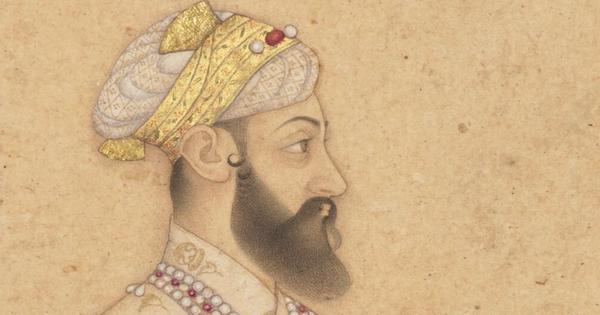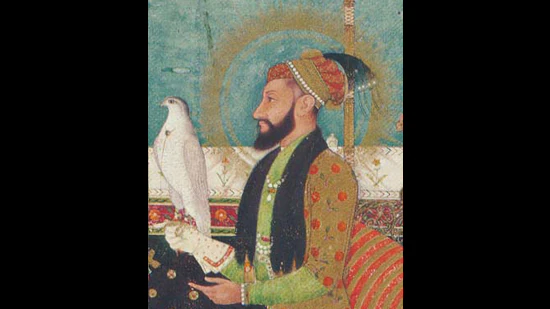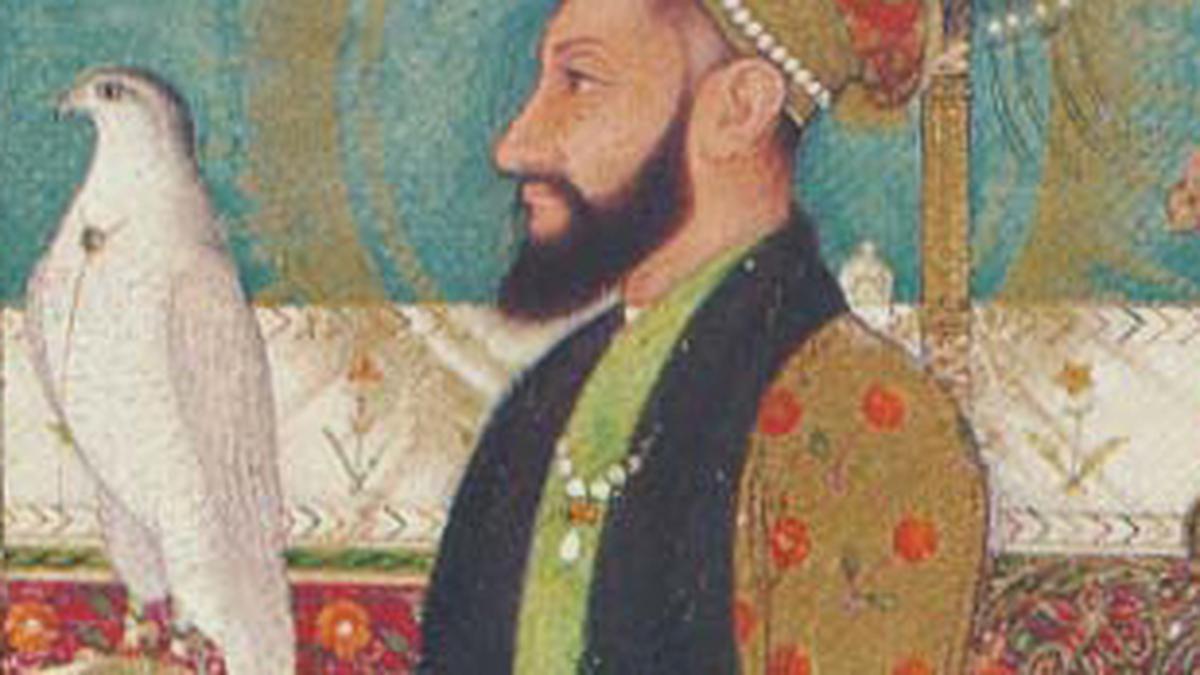
(This story is part of The Hindu on Books newsletter that comes to you with book reviews, reading recommendations, interviews with authors and more. Subscribe here.)Dear reader,It would not be an exaggeration to say that Aurangzeb is the most hated king in Indian history. More than 300 years after his death, his name alone is capable of igniting anger and causing communal tensions. He is passionately debated in living rooms and WhatsApp groups.Last year, when the Hindi film Chhaava released, based on the Maratha king Chhatrapati Sambhaji Maharaj, who was tortured and executed by Aurangzeb, there was a new wave of anger against the sixth Mughal emperor. Demands to raze his tomb in Maharashtra grew so loud that a large security contingent was stationed outside the humble grave, to protect it from miscreants. Two years before that, Aurangzeb Road in Delhi was renamed to APJ Abdul Kalam Lane. Aurangzeb is widely believed to have destroyed thousands of Hindu and Jain temples. He assassinated the ninth Sikh guru, Tegh Bahadur, though the motive for that may change depending on who you speak to. He had all his brothers — Dara Shikoh, Shah Shuja, and Murad Bakhsh — killed after a brutal war of succession. Many also believe that he sought to forcibly convert Hindus to Islam and that north India would have far more temples today had it not been for the Mughals. For many Indians, Aurangzeb is nothing more than a barbarian and a bigot.But there are several historical accounts that show Aurangzeb as more pragmatic and more complex that simplistic narratives suggest. My colleague Ziya Us Salam highlights some of these. He says in Punjab: A History from Aurangzeb to Mountbatten, Rajmohan Gandhi highlighted Aurangzeb’s political accomplishments.In Princes and Painters in Mughal Delhi, 1707-1857, which he co-edited with Yuthika Sharma, William Dalrymple pointed out that Aurangzeb was “a pragmatic ruler who frequently patronised Hindu institutions”. Salam writes, “Dalrymple told this correspondent that Aurangzeb deserved to be read anew, arguing that some of the measures introduced in his reign, such as the imposition of jizya (military tax on non-Muslims), should be looked at from the prism of exigencies of administration rather than religion.”In her book, Culture of Encounters: Sanskrit at the Mughal Court, Audrey Truschke argues that Aurangzeb is a severely misunderstood historical figure who has suffered perhaps more than any of the other Mughal rulers from present-day biases.Other historians, however, reject these interpretations, arguing that Aurangzeb was a religious bigot not only by today’s standards but even by those of his contemporaries.It is in these contested waters and a highly charged political environment that Munis D. Faruqui’s new book, Aurangzeb ‘Alamgir and the Mughal Empire (Juggernaut Books), arrives. Faruqui, a historian in the department of South and Southeast Asian Studies at the University of California, Berkeley, tells Manu Pillai in an interview that much of Aurangzeb’s reputation was shaped after his death, when a faction sidelined by his successor, Bahadur Shah I, promoted an image of him as an uncompromisingly pious Muslim ruler to undermine later emperors. Over time, this interpretation influenced Muslim nationalist narratives and was later adopted by anti-Muslim ideologues to emphasise Mughal excesses.The interview sparked more debate, and some readers wrote to me angrily, sharing their own interpretations and readings. As historians such as Faruqui repeatedly point out, history is a continuous process of reinterpretation, shaped by new evidence and fresh scholarship. For historians, figures like Aurangzeb rarely fit neatly into categories of hero or villain; understanding them requires grappling with the political, social, and religious worlds they inhabited, even when their actions remain deeply troubling. For the lay reader, to understand Aurangzeb is to read him widely — and to alsoaccept that history is rarely settled.Books of the week
the hindu on books: Reading Aurangzeb
the hindu on books: Reading Aurangzeb
1,139 words~5 min read